White pepper is pungent and warm in nature. It affects the stomach and large intestine meridians. It contains piperine, piperidine, and volatile oil. It can warm the middle jiao to dispel cold, awaken the spleen, and stimulate the appetite. The "Compendium of Materia Medica" states that it "warms the stomach and intestines, eliminates cold-dampness and vomiting, and treats bloating, cold accumulation, and yin toxicity." It is very effective for relieving cold-induced abdominal and stomach pain, as well as borborygmus and diarrhea, and can also be used to treat wind-cold colds.
Pepper Pork Tripe Soup
Different colored peppers are used in different ways
The fruit and seeds of the pepper plant can be processed into black pepper, white pepper, green pepper, and red pepper. In the United States, white pepper is often used as a seasoning for light-colored sauces or mashed potatoes because black pepper is easily noticeable in light-colored dishes. Therefore, white pepper is generally used in soups for coloring. However, because black pepper is spicier than white pepper, with a sharp fragrance and ability to remove fishy smells, it is more often used in cooking offal and seafood dishes. Black, white, and green peppers are all fruits of the same plant and can be used interchangeably, but they have different colors and properties. Black pepper is spicy and pungent; white pepper is spicy but has a milder aroma; green pepper has the mildest flavor. People can choose the pepper that suits their personal taste.
Add pepper to soup to prevent colds
Pepper is a natural decongestant. The chemical substances in pepper can stimulate nasal mucosal cells to produce diluted mucus, thereby clearing the nose and relieving cold symptoms. Sprinkling pepper on soup makes it the perfect food partner for clearing a stuffy nose. However, neither black nor white pepper should be fried at high temperatures. A small amount should be added and mixed in evenly just before the dish or soup is finished cooking.
Recipe Recommendation: Pepper Pork Tripe Soup
Rinse the pork tripe clean with water, soak it in cooking wine for 10 minutes to remove the odor. After discarding the wine, add salt and rub, then add starch and wash repeatedly. Add water and Szechuan peppercorns to a pot and bring to a boil. Blanch the cleaned tripe in the boiling water to effectively remove the odor. Lightly roast the white pepper over low heat, then crush it. Place the ginger slices and crushed pepper into the tripe. Put the tripe into a soup pot, add water, bring to a boil over high heat, then reduce to low heat and simmer for 2 hours until the soup turns milky white. After turning off the heat, remove the tripe, let it cool slightly, then cut it into strips. Return the tripe to the soup pot, simmer over low heat for another 15 minutes, season with salt, then turn off the heat and serve.
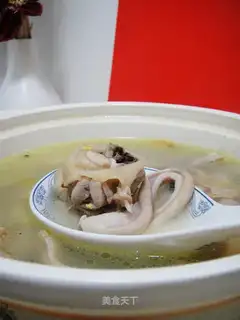 Pepper pork tripe soup