After meals, people often snack on sunflower seeds to pass the time, but have you ever thought that these small seeds can also prevent chapped hands and feet in the cold winter.
Sunflower seeds are one of the foods richest in vitamin E. Vitamin E is an excellent antioxidant that helps maintain the normal function of nerves and muscle tissues, making the capillary walls stronger. This allows the originally stagnant blood circulation to return to normal. Therefore, it helps to prevent chapped hands and feet and the formation of dark spots. At the same time, sunflower seeds are also high in calories; every 100 grams (shelled) contains about 610 kcal, which is higher than the same weight of rice, pork, lamb, and chicken or duck meat, and can help withstand the cold climate.Medical research shows that cold intolerance is related to mineral deficiency in the diet. Sunflower seeds are also rich in minerals such as potassium, calcium, phosphorus, iron, and magnesium. In addition, winter is a season with a high incidence of cardiovascular and cerebrovascular diseases. Sunflower seeds are rich in linoleic acid, which can help prevent cardiovascular and cerebrovascular diseases such as hypertension and arteriosclerosis.
Boiled Five-Spice Sunflower SeedsWinter has relatively less sunlight, and people's moods can be affected by it, especially prone to triggering or worsening depression. Regularly eating foods rich in B vitamins will be very beneficial for improving bad moods and depression. Sunflower seeds contain a large amount of vitamin B8. American biology has confirmed that sunflower seeds can assist in treating depression, neurasthenia, insomnia, and can also enhance human memory. It can be seen that eating sunflower seeds often can even make your mood full of sunshine in the cold winter.
Although sunflower seeds are good, due to their high calorie content, they should not be eaten in large quantities. 50 grams per day is appropriate, and obese people should pay special attention. When eating sunflower seeds, it is best to peel them by hand. This is because frequently cracking sunflower seeds with your teeth can easily cause mouth sores, and spitting out the shells also expels a large amount of saliva. Over time, this can easily lead to dry mouth, a dull sense of taste, and a reduced appetite. In addition, eating too many sunflower seeds can deplete choline in the body, thus affecting the normal physiological function of liver cells. Therefore, patients with hepatitis and cirrhosis should best keep their distance from sunflower seeds.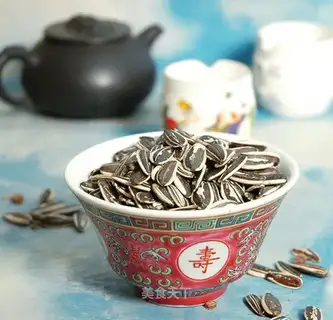 Cooking five-spice sunflower seeds