In processed foods, there is a category of ingredients whose names are very similar to those of some healthy ingredients, leading you to mistakenly believe they are also beneficial to health, but this is not the case. These ingredients reduce the nutrient density of food. Long-term consumption of foods with low nutrient density increases the risk of obesity and promotes the occurrence of various chronic diseases. Below, we help you identify the common "junk ingredients" in food.
1. Non-dairy Creamer
It is a mixture whose main ingredients include milk protein, lactose, hydrogenated vegetable oil, and maltodextrin. Its flavor and texture are similar to milk, it may contain a small amount of trans fatty acids, and it cannot replace the nutritional value of dairy products at all.
Non-dairy creamer is used as a "companion" for coffee, black tea, and milk tea, or as a topping poured over jelly and guilinggao. It can also be used in some ice creams, chocolates, breads, cakes, milk candies, and instant oatmeal. It enhances flavor, has a smooth texture, and can reduce the amount of milk or milk powder used, thereby reducing production costs.
2. Cream
It is a yellow or white fatty semi-solid food extracted from cow's milk or goat's milk. It is a dairy product made from the top layer of raw cow's milk, which has a higher fat content before homogenization. It contains beneficial healthy components such as butyric acid, conjugated linoleic acid, vitamin A, and vitamin D. Vegetable cream, on the other hand, is made from hydrogenated oil and may contain artificial trans fatty acids. Even if the trans fatty acid content is not high, it lacks the beneficial components found in natural cream.
Ingredients similar to vegetable cream include "hydrogenated vegetable oil," "margarine," and "shortening." They are relatively stable to heat, not easy to oxidize and spoil, and can improve the texture of food, so they are often used in foods such as bread, biscuits, and pastries.
Mango Ice Cream
3. Maltodextrin
It is a starch derivative produced by hydrolyzing, refining, and spray-drying starch. Maltodextrin raises blood sugar very quickly, comparable to white sugar.
Maltodextrin is easier to digest and absorb than large starch molecules, which is beneficial for patients with poor digestive abilities after surgery. Many manufacturers add it to sugar-free powder-type foods, but in fact, maltodextrin is not suitable for diabetic patients and people losing weight. In addition, when maltodextrin is added as a filler to nourishing powder-type foods such as lotus seed powder and Chinese yam powder, it reduces the proportion of natural ingredients. Similar to maltodextrin are glucose syrup, high-fructose corn syrup, and corn syrup.
4. Cocoa Butter
It is the fat portion extracted from cocoa bean fragments, which has a special solidification property and is related to the smooth texture and aroma of chocolate. In contrast, cocoa butter substitute is made from carefully selected palm kernel oil through high-tech cooling, followed by special hydrogenation and refining. It may contain artificial trans fatty acids, which increases the risk of various chronic diseases such as atherosclerosis and coronary heart disease. Even if the hydrogenation process uses techniques to reduce trans fatty acids, it still cannot replace real chocolate because it completely lacks the health-promoting components found in cocoa.
Cocoa butter substitute is not only hidden in chocolate; now, many things associated with chocolate may contain it. Because it is stable in nature and inexpensive, chocolate wafers, chocolate-filled cakes, breads, biscuits, ice creams with chocolate crispy coatings, etc., may all contain cocoa butter substitute. The best way is to carefully check the labels of these products when purchasing to see if the words "cocoa butter substitute" are listed.
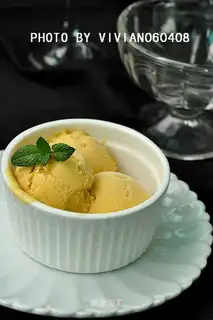 mango ice cream