There is a poem that praises: "Fragrant flowers delight the senses, and clear tea refreshes the spirit". Drinking flower tea is not only a pleasure but also a way to maintain health and ward off illness. Spring is the ideal season for drinking flower tea. As all things in nature awaken, people are prone to drowsiness. At this time, brewing a cup of rich, fragrant, and refreshing flower tea can not only invigorate the mind and dispel sleepiness, but also help expel cold pathogens from the body and promote the growth of yang energy.
The following teas are suitable for spring
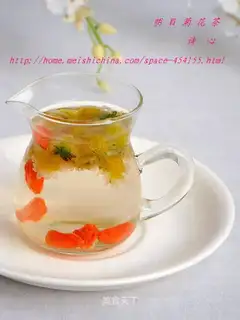
Chrysanthemum Tea for Brightening Eyes
Jasmine Tea: The fragrance of jasmine tea can be described as "tender tea scented with flowers, its fragrance praised by all". In fact, jasmine tea is not only alluring in its scent but also has the function of dispelling cold. In early spring, it can help relieve the cold in our bodies. Additionally, it can invigorate the spirit and eliminate the habit of spring drowsiness.
Chrysanthemum Tea: Chrysanthemum tea not only has the effect of clearing the liver and brightening the eyes but also functions to reduce internal heat, detoxify, clear heat, and reduce swelling. It can effectively expel toxins from the body and enhance resistance. Spring is the beginning of all things, and the body may have an excess of yang energy. Therefore, drinking some chrysanthemum tea to reduce internal heat is a good choice.
Rose Tea: It is an excellent example of a food-medicine homology. It has the effects of cooling the blood, nourishing the complexion, improving dry skin, aiding digestion, and reducing fat. At the same time, rose also has a strong effect of promoting qi circulation, activating blood, resolving stasis, and harmonizing the organs. Especially for symptoms like a bad mood, a dull complexion, or even menstrual cramps during menstruation, some relief can be obtained.
Hawthorn, Pu'erh, and Jasmine Tea: This flower tea includes hawthorn, goji berries, and red dates, giving it a sweet and sour taste that is quite palatable. It has the effect of aiding digestion and reducing fat.
Honeysuckle Tea
Rosehip Tea: Rosehip tea has the effects of beautifying the skin, slimming, and lowering blood pressure, making it especially suitable for women. Before brewing, rinse the rose hips twice with cold water to remove surface dust. Do not use hot water, and do not soak for a long time.
Lotus Leaf Tea: A health tea made from lotus leaves. It has the effects of clearing heart fire, pacifying liver fire, purging spleen fire, reducing lung fire, as well as clearing heat and nourishing the spirit, lowering blood pressure, promoting urination, reducing fluid loss and stopping sweat, and stopping bleeding and securing essence.
Honeysuckle Tea: Honeysuckle tea is sweet and cold in nature. It has the effects of clearing heat and detoxifying, dispelling wind-heat, and reducing swelling and pain. It can alleviate common spring illnesses such as upper respiratory tract infections, influenza, tonsillitis, and periodontitis. It is also effective in relieving boils and enteritis, and helps to cool the blood, stop dysentery, promote urination, and nourish the liver.
Tips for Drinking Flower Tea in Spring
Do not mix flower teas randomly: While drinking flower tea can be beneficial for health, do not randomly mix different flowers together for consumption, as different flowers have different medicinal values. The choice should be based on an individual's specific constitution.
If the flowers are chosen improperly, mixing flower teas with different effects is not only better than a single-variety tea but may also have some adverse effects on the body. Even the most common flowers have specific considerations when consumed. Before drinking herbal teas, it is best to consult a traditional Chinese medicine practitioner to determine your body type and select the appropriate flower tea.
The following groups are not suitable for drinking flower tea
Although herbal teas are beneficial, they are not suitable for everyone. The following groups should avoid drinking them: those allergic to flowers and plants, pregnant women and infants, and patients with chronic diseases such as high blood pressure, high blood lipids, and diabetes.
 ♪ ♪ Queen-looking tea ♪
 Cowbrain egg tofu