The quality and habits of eating directly affect a person's health. You've been eating for decades, but do you really know how to eat?
I. Skipping breakfast harms the body
Shrimp and Ham Egg Pancake
One of the most common mistakes is skipping breakfast. Children, in particular, sometimes do not understand the importance of breakfast. 3 out of 4 children skip breakfast or have an improper breakfast (such as drinking just one bottle of soda). This affects their performance at school: a decline in IQ and physical strength.
Breakfast provides the nutrition and energy to start a new day and helps prevent overeating during subsequent meals or choosing high-fat and high-sugar diets. Skipping breakfast increases the risk of overeating later and opting for high-fat and high-sugar foods. A healthy breakfast should include skim milk, yogurt, or cheese (children under 3 should have full-fat dairy products) and grain products, such as oatmeal, whole wheat bread, fruit, or juice.
II. Frequently eating rice soaked in soup
Korean Style Bibimbap
Many people like to take a bite of rice and then a sip of water (soup), or simply soak the rice directly in the soup. This eating habit is very unscientific and not good for your health. Because eating rice soaked in soup or drinking water (soup) while eating often leads to swallowing food whole without chewing it in the mouth, which increases the burden on the stomach.
At the same time, water (soup) can also dilute saliva and digestive juices in the stomach, affecting the digestive process. Over time, this can lead to and make one more prone to. Additionally, incomplete digestion reduces the absorption of nutrients from food, thereby affecting overall health.
III. Not paying attention to combining foods of various colors
You should combine and vary the colors of your food. These diets should provide a balanced array of nutrients, such as anti-oxidant vitamins (especially dark green vegetables contain this component), fiber, and phytochemicals. Eat 5 servings of vegetables and fruits daily, and minimize cooking time to help prevent cancer and high cholesterol.
IV. Not knowing the difference between beneficial and harmful fats
A serious mistake is not frequently eating fish and seafood, which offer numerous benefits. The Omega-3 fatty acids in these foods can boost immunity, reduce inflammation, promote blood circulation, and lower cholesterol and triglyceride levels. There's no need to eat large amounts of these foods; twice a week on average is sufficient.
You can steam, stew, bake, or make fresh seafood into natural juice canned goods. Regarding fat, another mistake is people's habit of spreading animal fat or margarine (low-fat cheese should be used) on bread, or not using vegetable oil for cooking.
Excessive intake of saturated fats, such as cholesterol in animal fats and hydrogenated fats in margarine, increases the risk of disease. In contrast, raw vegetable oils contain a high proportion of unsaturated fats (beneficial fats), are cholesterol-free, and are an important source of. Olive oil, in particular, contains substances that prevent cardiovascular disease.
On the other hand, vegetable oils become saturated fats or break down and lose their benefits when exposed to high temperatures. This is one of the reasons why people are advised not to eat too many fried foods.
V. Not recognizing the dangers of salt
Who doesn't grab the salt shaker and sprinkle some salt before tasting the food? Unfortunately, this habit is deeply ingrained among us. Most people, besides knowing that salt is used for cooking and seasoning, are not aware that sodium is present in many foods because it is used as a preservative. Therefore, it is best to eat unprocessed natural foods or foods low in salt.
Cold cuts, sausages, canned goods, dry noodles, and some seasonings are high in salt. Excessive salt intake increases the risk of disease.
VI. Not knowing that diet foods can also cause weight gain
"If I eat strictly according to a diet plan, I can eat without worry." This is a serious mistake. The only way to lose and maintain weight is to eat wisely and avoid a sedentary lifestyle. When buying diet foods, read the labels carefully to see what makes them different, compare different brands, and compare them with regular foods.
Furthermore, pay attention to the portion sizes of these foods, especially for special foods like desserts after meals and cheese. Only foods that provide extremely low calories can be eaten freely, such as vegetable juice and jelly.
VII. Not paying attention to strengthening bones
"After adolescence, there's no need to consume dairy products anymore." This is another common mistake, because bones continuously need calcium. The best sources of calcium are milk, yogurt, and cheese. Although there are other plant-based foods that contain calcium (such as beans and dried fruits, including melon seeds), they do not provide as much of the mineral as dairy products. Canned fish with bones (sardines, mackerel, and tuna) can also provide a large amount of this mineral.
VIII. Lack of understanding of carbohydrates
There are two types of carbohydrates: simple carbohydrates, which are sugars, and complex carbohydrates, which are starches. Half of our diet should consist of carbohydrates, with only about 10% of these being sugar. However, this is often not the case in reality.
Foods containing complex carbohydrates include grains, beans, potatoes, sweet potatoes, young corn, and some fresh fruits and dried fruits, including melon seeds. Foods containing simple carbohydrates include sugar, honey, jam, regular soda, and some alcoholic beverages.
The difference between the two is that the latter provides calories without the essential nutrients the body needs, while the former contains vitamins, minerals, and fiber. On the other hand, when choosing complex carbohydrate foods, people should avoid the following mistake: most people are accustomed to choosing rice and white bread over whole wheat bread. Whole wheat bread has many advantages; it contains fiber and phytochemicals that can prevent several diseases, such as cancer, heart disease, and diabetes.
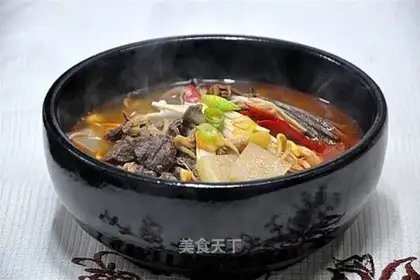 Korean style rice
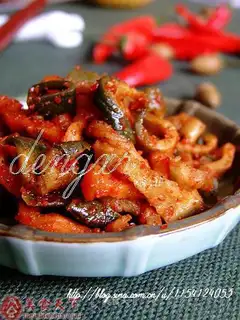 Dried radish and pickled vegetables
 Shrimp ham cake