Once ranked alongside cabbage and radish as important winter storage foods in the north, potatoes have now "graduated" in status. In fact, whether potatoes are used as a staple or a side dish, the most important thing is to minimize nutritional loss. To achieve this, one must consider three aspects: the cutting method, the cooking method, and the addition of seasonings.
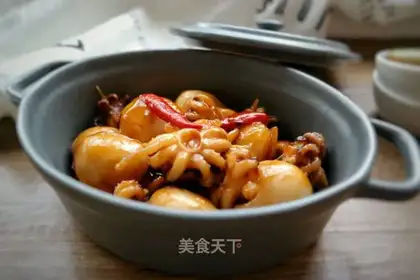
Crispy Minced Meat Potatoes
Potatoes can help regulate a weak constitution
Not only do potatoes not cause weight gain, but they also have healing, diuretic, and antispasmodic effects. They can prevent and treat bruises, neuralgia, arthritis, coronary heart disease, and eye pain. Potatoes are rich in potassium, so people with muscle weakness, loss of appetite, or those who have been taking diuretics or laxatives for a long time can replenish their body's deficient potassium by eating more potatoes.
The high content of protein and B vitamins can enhance physical fitness, as well as improve memory and clear thinking. For friends with poor appetite in the summer, sticking to eating potatoes for a period of time will surely yield satisfying results.
The larger the pieces, the more nutritious
During the cooking process, the more intact the potato, the less nutritional loss it suffers. In other words, shredded potatoes are less nutritious than sliced potatoes, and sliced potatoes are less nutritious than whole potato chunks. Therefore, during processing, the integrity of the potato should be maintained as much as possible. The fewer the cut surfaces, the less water-soluble vitamins (such as B vitamins and vitamin C) will be lost.
5 tips for better-tasting potatoes
Boil new potatoes, stir-fry old potatoes. New potatoes have a delicate, smooth, and dense texture and cook easily. Due to their high water and sugar content and good stickiness, they maintain their shape in water and have a floury texture, making them suitable for soups and stewed dishes. Compared to new potatoes, old potatoes have no significant nutritional difference, but they contain less water and have a crisp texture. They won't stick to the pot or burn as easily as new potatoes, making them suitable for stir-frying.
When peeling, just remove a thin layer. The juice directly under the potato skin is rich in various nutrients, so only a thin layer should be peeled off. Gently scrub the surface of the potato with a steel wool ball to easily remove a thin layer of skin without damaging the "potato flesh" underneath. For new potatoes, you can peel them by alternating between hot and cold water: soak the potato in hot water for a moment, then transfer it to cold water. This will also make peeling very easy.
Soak in water immediately after cutting. Potatoes contain polyphenol oxidase, which will brown in the presence of oxygen, affecting their color. Therefore, during the cooking process, cut potatoes should be placed in water promptly to prevent oxidation and blackening. When soaking, a little vinegar can be added to the water. First, it can effectively prevent browning. Second, it can make the potatoes crisp, not sticky, and not mushy. Third, it can reduce the loss of vitamins and minerals in the potatoes. It should be noted that potatoes should be cooked immediately after cutting to prevent nutrients from leaching into the water.
Simmering over low heat makes them cook evenly. Potatoes must be simmered over low heat to cook evenly and become tender. If cooked over high heat, the outer layers may become overcooked or even crack, while the inside remains raw. Additionally, high heat causes the liquid to roll continuously, which can cook the outside of the potato chunks too much and make them more likely to stick to the pot.
Steaming potatoes with the skin on preserves nutrients. Steaming whole potatoes with the skin on results in less nutritional loss, especially more vitamin C is retained, making it the most nutritious way to eat them. Steaming without the skin allows moisture to enter the potato more easily, resulting in a soggy texture. Furthermore, when making mashed potatoes, it is best to steam the whole potato with the skin on first, then peel and mash it.
 Ink fish