From the start of spring, nature bursts with vitality, and people should also follow the natural rhythm, sleeping early and waking up, going for excursions and walks, and relaxing the body to allow the body's qi to flourish in harmony with the spring's generative energy. Below, we recommend three types of tea for you to experience the wonderful fun and nourish your body and mind in the fragrant brew.
Benefits of Drinking Tea in Spring
1. Relieving Spring Drowsiness: The spring breeze revives the body, and the rising yang energy brings vitality to all things. However, people often feel drowsy and lethargic, a phenomenon known as "spring drowsiness." Drinking more tea can refresh the mind and alleviate the adverse effects of spring drowsiness. Green tea or scented tea is sweet, cool, and has a fragrant, pungent, and dispersing nature. Especially spring-picked green tea can invigorate the spirit, leaving one clear-headed and refreshed, naturally dispelling "spring drowsiness."
2. Boosting Vital Qi: Spring is an excellent time to strengthen the body's vital energy. Drinking teas that are beneficial to the spleen and stomach can promote the circulation of qi within the body, making it flow smoothly. It is especially recommended to drink teas with a strong qi energy, combined with deep breathing exercises, to activate the body's vital energy.
3. Expelling Cold: After a winter of cold weather, the body is bound to have accumulated some cold energy. Taking advantage of the arrival of spring and the revival of all things, drinking more tea can help drive out the cold from your body.
4. Anti-Aging: 1 mg of tea polyphenols is as effective in clearing excess free radicals harmful to the human body as 9 micrograms of superoxide dismutase (SOD), which is much higher than other similar substances. Tea polyphenols can block lipid peroxidation and clear active enzymes. The anti-aging effect of tea polyphenols is 18 times stronger than that of vitamin E.
5. Reducing Liver Fire and Nourishing the Liver: In spring, the body's metabolism is vigorous, and liver fire can become旺盛, making people irritable and quick to anger. Therefore, spring health preservation focuses on nourishing the liver. The benefits of clearing, softening, soothing, and protecting the liver can be achieved through various tea preparations.
6. Cancer Prevention: Tea polyphenols can block the synthesis of various carcinogens such as nitrosamine in the body and have the effects of directly killing cancer cells and enhancing the body's immune system. The tea polyphenols in tea (mainly catechin compounds) are beneficial for the prevention and adjuvant treatment of various cancers such as stomach and intestinal cancer.
7. Inhibiting and Resisting Bacteria: Tea polyphenols have a strong astringent effect and show significant inhibition and killing effects on pathogens and viruses, with obvious effects on reducing inflammation and stopping diarrhea.
Several Teas Suitable for Spring
Beauty-Rose Tea
Beauty Tea
Take 10 grams of persimmon leaves and 10 grams of lithospermum, 15 grams of coix seed, and an appropriate amount of rock sugar. Place the first three ingredients in an enamel pot, add an appropriate amount of water, and simmer over low heat for about 15-20 minutes. Remove the dregs and take the liquid, then add rock sugar to taste. This tea is sweet, flat, and fragrant with a slightly bitter and astringent taste. It has the effects of strengthening the spleen to drain dampness and clearing heat to moisten the skin. Regular consumption of this health tea can increase skin elasticity and reduce facial wrinkles.
Rose Tea
Each time, take 3-5 grams of rose petals, steep with boiling water, and drink as a substitute for tea. Roses can cool the blood and beautify the complexion, and also aid digestion and reduce fat. Due to its strong floral fragrance, rose tea is also very effective for treating bad breath. Therefore, it can aid in weight loss, and the effect is best after meals.
Dried Tangerine Peel and Ginger Tea
20 grams of dried tangerine peel, 10 grams of fresh ginger slices, 5 grams of licorice, and 5 grams of tea. First, bring water to a boil, then add the dried tangerine peel, ginger slices, licorice, and tea. Steep for about 10 minutes, then remove the dregs and drink. It has the health functions of relieving cough and reducing phlegm, strengthening the stomach, and aiding digestion.
Blood Sugar-Lowering Tea
Take 9 grams of Chinese yam and 9 grams of trichosanthes root, and 10 grams of goji berries. Grind the Chinese yam and place it with the trichosanthes root and goji berries in an enamel pot. Add an appropriate amount of water and simmer over low heat for about 10 minutes. Remove the dregs and take the liquid. This health tea has the effects of nourishing the liver and kidneys, replenishing qi and promoting body fluids, lowering blood sugar, and promoting the regeneration of liver cells.
Goji Berry, Chrysanthemum, and Oolong Tea
Goji Berry, Chrysanthemum, and Oolong Tea is rich in carotene, amino acids, and various minerals. Goji berries have the effects of clearing the liver and improving vision, nourishing the liver, and benefiting the kidneys. Chrysanthemum can help reduce internal heat and expel old stool. The rich tea polyphenols in oolong tea can prevent fat accumulation in the liver, providing liver-nourishing and liver-protecting effects. It is especially recommended for office workers to brew and drink it frequently.
Goji Berry Tea
Goji berries are one of the most common traditional Chinese medicines. They not only clear the liver and improve vision, but also nourish yin and moisten the lungs. At the same time, they are very effective as a dietary therapy for symptoms like fatigue in the limbs and lower back pain caused by insufficient liver qi. Drinking goji berry tea regularly can promote blood circulation and prevent arteriosclerosis. It is especially suitable to drink more in spring, but a reminder is that the daily amount should not exceed 20 berries per person.
Precautions for Drinking Tea in Spring
While tea has health benefits, it is not suitable for all body types. People with a deficient qi constitution, in particular, are generally not advised to drink tea frequently. If they do, they should only occasionally drink a small amount of warming, fully fermented black tea or well-aged dark tea. Those with a yang deficiency constitution are suitable for fully fermented ripe teas such as black tea, dark tea, or ripe Pu-erh. Those with a yin deficiency constitution are suitable for lightly fermented white or yellow tea, or well-aged dark tea. Those with a damp-heat constitution are suitable for unfermented green tea or raw Pu-erh. People with a balanced constitution have a wider range of choices and do not have to drink only one type of tea all year round; they can choose from the seven major categories of tea based on region, season, personal eating habits, and age.
At the same time, age is also a factor to consider when choosing tea. Young people can drink green tea, while the elderly should drink warming teas. Because young people have abundant yang energy, drinking green tea is generally fine if they are in good health. However, the elderly may not tolerate it as well and should drink warming, balanced teas like black tea, dark tea, or ripe Pu-erh. Only by first determining your own constitution and comprehensively considering factors like region, season, eating habits, and age can you drink the right tea. Otherwise, not only will you fail to achieve the health benefits of spring tea, but you may also worsen your constitution. If someone with a clearly cold constitution drinks green tea or raw Pu-erh, the effect will be counterproductive.
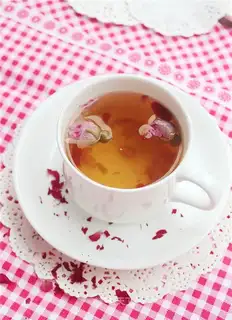 A rose-colored tea