Quail eggs are rich in protein, cephalin, lecithin, lysine, cystine, vitamin A, vitamin B2, vitamin B1, iron, phosphorus, calcium, and other nutrients that can replenish qi and blood, and strengthen muscles and bones.
Quail eggs contain a complete range of amino acids in rich quantities, high-quality phospholipids, hormones, and other essential nutrients for the human body. The content of iron, riboflavin, and vitamin A is about twice that of the same amount of chicken eggs, while the cholesterol is about one-third lower. Therefore, they are an ideal tonic food for various patients, as well as for the elderly, children, and pregnant women.
Spiced Quail Eggs
Quail eggs are high in protein, cephalin, lecithin, iron, and vitamins, but their high cholesterol content means they should not be consumed in large quantities.
Although quail eggs are small in appearance, they are highly nutritious. In Japan, the book "Raising Quail" once ranked quail eggs alongside ginseng and pit vipers as a fine product, and they are said to have certain therapeutic effects on pulmonary diseases, pleurisy, asthma, heart disease, and neurasthenia.
Applicable People: Suitable for infants, pregnant and lactating women, the elderly, patients, and individuals with weak constitutions. However, patients with cerebrovascular diseases should not consume quail eggs in large quantities.
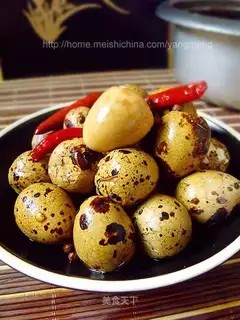 Spiced quail eggs