In life, some people are long-lived for a reason; they often eat foods that can promote longevity. So, what are the habits for a long life? How can one maintain longevity? Today, I will introduce some diets and habits that can help you live longer! Let's take a look together!
1. Pine Nuts
Pine nuts are widely used in traditional imperial cuisine. Many long-lived elderly people eat pine nuts every day. Pine nuts are rich in oil, which can help with bowel movements and moisturize the skin. At the same time, pine nuts are a high-quality source of oil, containing polyunsaturated fatty acids that can reduce inflammation.
2. Garlic
In the era before antibiotics, salt and garlic were essential for armies on the march. Salt was used to supplement minerals, while garlic was used for its antibacterial properties and to prevent disease. Recently, garlic has also been found to lower cholesterol. However, raw garlic is pungent and irritating, so people with gastritis, sore throat, hemorrhoids, red eyes, or acne should not eat it raw.
3. Cabbage
As the saying goes, "a hundred vegetables are not as good as cabbage." Cabbage is rich in vitamin C, which can help reduce fever, relieve heat, and alleviate coughs with phlegm. Cabbage is highly nutritious and comes in many varieties, making it a popular anti-cancer star. However, it should be noted that people with a deficiency-cold constitution should not eat large amounts of raw or cold cabbage, such as pickled cabbage.
4. Congee
During the cooking process of congee, the active ingredients in the food are released and dissolved into the broth. Many long-lived elderly people eat congee every evening.
5. Buckwheat
Buckwheat contains powerful antioxidants that can lower blood lipids, enhance blood vessel elasticity, and prevent blood clotting, making it an excellent heart-protective food. Additionally, its effects in lowering blood pressure and aiding sleep are also very good. Buckwheat is also a great "intestinal cleanser," with six times the fiber content of ordinary white rice, earning it the nickname "intestinal cleanser herb."
How to Arrange Your Diet for Longevity
Drink plenty of water. Water is the source of life, it can cleanse the body of toxins and maintain the normal function of our immune system. If you experience symptoms like thirst, headaches, or fatigue, your body may already be dehydrated.
Take multivitamins after meals. Experts say that eating refined foods in daily life can lead to a significant loss of B vitamins; over-soaking vegetables can wash away large amounts of water-soluble vitamins; and prolonged storage or cooking methods like frying and baking can reduce vitamin content. At this point, taking a multivitamin supplement is like having an "insurance policy," and it's best taken after meals. Water-soluble vitamins like folic acid, vitamins B and C, if taken on an empty stomach before a meal, quickly pass from the stomach to the small intestine for absorption and are then excreted through urine before the body can fully utilize them.
Eat until you are full, but never overeat. Losing 5% to 10% of your body weight can help lower blood pressure, which reduces the risk of diabetes and improves lipid levels (lowering triglycerides and increasing "good" high-density lipoprotein). Use this formula to calculate your required calories: your current weight (in pounds) * 12. If you deduct 500 calories from this calculated value each day, you will lose 1 pound per week; if you deduct 1,000 calories, you will lose 2 pounds per week. Do not let your daily calorie intake fall below 1,200, otherwise you will lose some important nutrients.
Do not overeat. Too much of anything can be harmful, whether it's food, drink, or medicine.
It's better to have dinner earlier than later. Experts say that the peak time for calcium excretion in the body is 4-5 hours after a meal. Eating dinner too late not only affects sleep and leads to heat storage but can also easily cause urinary tract stones. The best time for the elderly to have dinner is around 6 or 7 PM, and they should avoid or eat very little late-night snacks.
What to Eat for Longevity
1. Black Fungus
Every 100 grams of black fungus contains 98 milligrams of iron, which is about 5 times higher than the iron content in pig liver, the highest among animal foods, and 30 times higher than the iron content in spinach, the highest among green leafy vegetables. Without iron, we don't have fresh blood; it is an important component of hemoglobin. Iron deficiency can lead to general weakness, irritability, forgetfulness, pale complexion, dizziness, and palpitations.
2. Apple
Eating an apple every day can significantly reduce the risk of Alzheimer's disease. The quercetin in apples not only has anti-inflammatory effects but can also stop the development of cancer cells. Apples are also rich in vitamins and minerals, which can improve the human immune system and enhance cardiovascular function.
3. Cheese
40 grams of cheese = 200 milliliters of yogurt = 250 milliliters of milk. The calcium content in a small piece of cheese is the same as in a large glass of milk! Calcium is the most abundant mineral in the body, and 99% of it exists in bones and teeth, used to build the body's strong "hardware."
Buckwheat Noodles with Cakes
4. Pear
Pears are fresh, juicy, and contain 85% water. With a sweet and sour taste, they are rich in vitamins and trace elements such as calcium, phosphorus, iron, and iodine, earning them the nickname "natural mineral water." Since ancient times, they have been revered as the "king of all fruits."
5. Buckwheat
Buckwheat contains powerful antioxidants that can lower blood lipids, enhance blood vessel elasticity, and prevent blood clotting, making it an excellent heart-protective food. Additionally, its effects in lowering blood pressure and aiding sleep are also very good.
6. Fish
People concerned about heart health should eat more fish. Having three fish-based meals per week or eating 30 grams of fish daily can reduce the risk of stroke by 50%. Medical research has shown that people who frequently eat fish, such as the Japanese and Eskimos, have a much lower incidence of cardiovascular diseases compared to peoples who rarely eat fish.
Habits for Longevity
1. Drink Less Beer
If you have been drinking about 1.5 liters of beer every day for ten years, you definitely have a liver that has been ravaged by disease.
2. Hiking
According to research from the U.S. Human Nutrition Research Center, engaging in regular aerobic exercise each day, especially jogging, can prevent food from staying in the body for too long.
3. Walk More
Walking for 30 to 60 minutes a day, 5 days a week, can cut your risk of stroke in half. Take the scenic route home instead of the shortcut; more walking means less stroke risk. This can lower your risk by 50%.
Conclusion: Our lifestyle and eating habits can affect our lifespan. So, what are the habits that can lead to a long life? How can one maintain longevity? I hope everyone is clear after the introduction above! I hope you can take a look at the introduction above! If you want to live a long life, you should pay attention!
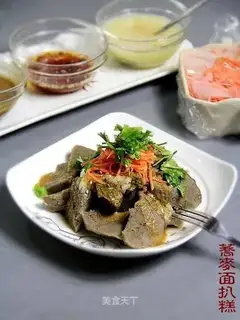 Braised buckwheat cake