"Eat it for the next meal if you can't finish it now" is a common phrase heard at many family dinner tables. However, not all dishes are suitable for being saved, and this requires everyone's attention.
Leafy Greens
Leafy greens absorb nitrates from fertilizers and soil, which are slowly converted by bacteria into nitrites, a substance that can be carcinogenic to humans. The content of nitrites is highest in leftover dishes that have been left out for a long time. Furthermore, the vitamins in leafy vegetables are almost completely lost after repeated heating.
Water Spinach with Garlic
Cold Dishes
Cold dishes do not have a bactericidal effect, and any bacteria from the person eating the dish will be introduced into it. Long-term storage provides ample time for bacterial growth and reproduction, leading to the conversion of nitrates in the vegetables into nitrites. At the same time, bacteria can also multiply in large numbers in cold dishes, and improper storage can easily lead to food safety issues such as diarrhea. Additionally, the texture and color of cold dishes left for a period of time will also deteriorate.
Soy Products
Soy products like tofu have a high water content and are rich in nutrients such as protein, making them an excellent medium for microbial growth. Therefore, it is best not to save soy products for the next meal.
Seafood
Seafood is also one of the least types of leftover dishes worth saving, because the appeal of seafood lies in its fresh taste. Leaving it out for too long will cause it to lose all its freshness. Therefore, it is best to prepare a quantity that can be finished in one sitting and eat it in one meal.
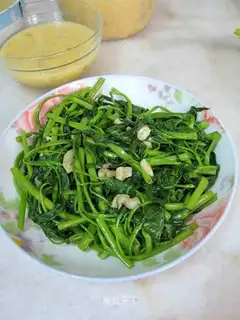 Chinese cabbage with garlic