Blood is as important to humans as water is to nature, determining the length of life and the speed of aging. In real life, there are some foods that can help cleanse the human body's blood, and eating them once can make your blood younger.
These bad habits clog your blood vessels
1. Heavy, fatty meals every day
People in their thirties and forties often entertain outside, and restaurant dishes are mostly made with "high oil, high salt, high sugar" and "rich sauces," leading to more and more fat in the blood vessels, which can easily clog them.
2. Reversed day and night schedule
Most people over thirty are the backbone of their companies and inevitably become "night owls." From a health perspective, the time from 11 p.m. to 4 or 5 a.m. is when the liver metabolizes blood flow. When staying up late, not only you, but also the biological clocks of your cardiovascular system will be disrupted, leading to excessive secretion of adrenaline and noradrenaline, which causes blood vessels to constrict, blood flow to slow down, and blood viscosity to increase. People who are "reversed" for a long time have twice the risk of heart disease than normal people.
3. Two packs of cigarettes a day
"Smoking is one of the main culprits for vascular problems. Even if you are in good health, two packs of cigarettes a day will definitely leave toxins in your blood vessels, making them more and more fragile." Research shows that smoking more than 20 cigarettes a day increases the risk of coronary heart disease by 2-3 times. Another study found that smoking while staying up late can increase blood viscosity by more than 8 times compared to normal times.
4. Lack of exercise
Blood vessels in the lower limbs are also important but are often ignored. If there is a problem with cerebral blood vessels, the chance of having a heart disease is 2-3 times that of a normal person, but if there is a problem with the lower limb blood vessels, the chance becomes 4 times. Normally, there are about 600 capillaries per square millimeter of skin, but only 100-200 are usually open. More exercise can open more capillaries and promote microcirculation; while long-term inactivity allows waste to gradually accumulate in the blood vessels, forming atherosclerotic plaques—the "time bomb," which also affects capillary blood supply and can be detonated at any time.
Eating blood-cleansing foods is good for your body
There are many common foods around us, each with its own nutritional value and effects, but which food is good for your own blood? In the following content, I will tell you about the common "blood-cleansing" foods! Eating these foods regularly can not only have a health-care effect on the body, but also to a certain extent can make people younger and younger. So, give it a try!
Garlic Braised Pork Tripe
Onion: Onion, also commonly known as onion, is the only vegetable that contains prostaglandin A, and also contains quercetin. The two can dilate blood vessels, lower blood pressure; reduce blood viscosity, increase blood flow; lower cholesterol, and prevent thrombosis.
Carrot: Carrots contain kaempferol, quercetin, etc., which can lower blood lipids and increase coronary artery blood flow. At the same time, the potassium salt it contains helps improve vascular sclerosis.
Garlic: The side effect of the rapid development of industry and transportation is the harm of lead. Garlic can reduce the concentration of lead in the blood and reduce the harm of lead to the nervous system.
Oats: Oats can not only reduce body fat, but also "slim" the blood. Oats contain water-soluble dietary fiber, saponins, 8 essential amino acids for the human body, magnesium, phenolic acid substances, etc. These substances can lower blood sugar, lower cholesterol, lose weight, and have antioxidant effects, maintaining blood health.
Eggplant: Eggplant contains vitamin P, vitamin C, saponins, calcium, phosphorus, magnesium, etc. Among them, vitamin P can enhance the elasticity of blood vessels, reduce brittleness and permeability, and prevent rupture and bleeding of blood vessels. Other substances can lower cholesterol and prevent thrombosis.
Ginkgo leaf: Ginkgo leaves contain more than 45 types of flavonoid compounds and more than 6 types of diketone compounds. The two can promote blood circulation, soften blood vessels, lower blood viscosity, lower cholesterol, and improve vascular toughness. In practical applications, ginkgo leaves can remove blood waste, prevent cerebral thrombosis and stroke, improve blood supply to the brain, resist myocardial ischemia, and restore vascular elasticity. It can also be used to protect the liver, prevent senile dementia, and improve frequent urination.
In addition to these foods, kiwi, cabbage, propolis, ginseng, kelp, black fungus and other foods are also beneficial to blood health.
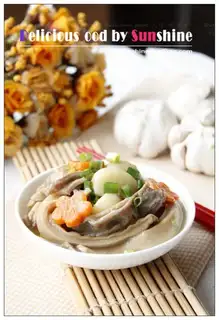 Garlic burns the belly