Diet during menstruation, as a unique physiological process of female sexual function, requires special attention. A proper diet during this period not only replenishes the body's losses from menstrual blood but also regulates mood and alleviates menstrual cramps. Ladies, take note: during your period, you should eat 7 types of foods and avoid 5 types.
Soy noodles with scallion oil
It is advisable to consume nutrient-rich foods that are beneficial for strengthening the spleen, whetting the appetite, and are easy to digest.
Such as red dates, noodles, coix seed porridge, etc. To maintain nutritional balance, fresh vegetables and fruits should also be consumed. The food should be fresh, which not only tastes delicious and is easily absorbed but also has less nutrient destruction.
It is advisable to consume foods high in iron.
Iron is not only involved in the synthesis of hemoglobin and many important enzymes but also plays an important role in immunity, intelligence, aging, and energy metabolism. Due to significant iron loss during menstruation, it is very important to supplement with iron-rich foods. Fish, lean meat, animal liver, and animal blood are rich in iron and have high bioavailability, making them easily absorbed and utilized by the body. In contrast, plant-based iron found in soybeans and spinach has a lower absorption rate. Therefore, the diet during menstruation should pay attention to a combination of meat and vegetables, and appropriately consume more animal-based foods to meet the special need for iron during this period.
It is advisable to drink hot milk with honey.
Lower abdominal pain, soreness in the lower back and knees, physical fatigue, restless sleep, and emotional irritability are common physical discomforts that women experience during their period. Research has found that drinking a cup of hot milk with honey before bed every night during menstruation can alleviate or eliminate these various discomforts. This is because the potassium in milk can soothe emotions and has the effects of reducing abdominal pain, preventing infection, and decreasing menstrual blood volume; the magnesium in honey can calm the central nervous system, help eliminate tension and reduce psychological stress during menstruation.
It is advisable to consume foods that are beneficial for the "movement of menstrual fluid".
Such as warming and nourishing foods like lamb, chicken, red dates, tofu skin, apples, coix seed, milk, brown sugar, and longan.
It is advisable to supplement with protein and minerals.
Due to blood loss during menstruation, especially for those with heavy periods, each period leads to the loss of major components of blood such as plasma protein, potassium, calcium, and magnesium. Therefore, within 1-5 days after menstruation ends, protein and mineral-rich foods should be supplemented. For example, choose foods that have both beauty and blood-nourishing effects, such as milk, eggs, pigeon eggs, quail eggs, beef, lamb, pork trotters, Euryale ferox seeds, spinach, longan pulp, carrots, apples, lychee pulp, and cherries. Research has found that some women with menstrual migraines have extremely low magnesium levels in their blood. If they pay attention to consuming magnesium-rich foods in their diet, such as millet, buckwheat, beans, bananas, nuts, and seafood, it can reduce the frequency of migraines.
It is advisable to eat more fish.
Due to the influence of changes in endocrine hormones, many women experience depressive moods during their period. Research has found that regularly eating fish rich in omega-3 fatty acids, such as salmon and sardines, can help women alleviate depressive moods or reduce the incidence of depression. This is because the omega-3 fatty acids abundant in these fish have antidepressant effects.
It is advisable to eat bananas.
Bananas are rich in vitamin B6, which has a calming effect on the nerves. It not only stabilizes a woman's anxious mood during her period but also helps improve sleep and reduce abdominal pain.
It is advisable to avoid sour, spicy, and irritating foods.
Women often feel particularly tired during their period, with weakened digestive function and poor appetite. Therefore, attention should be paid to a light and easily digestible diet, avoiding overly sour and highly stimulating foods such as hawthorn, pickled vegetables, vinegar, chili, mustard, and pepper.
It is advisable to avoid carbonated drinks.
Many women who enjoy carbonated drinks experience fatigue and listlessness during their period, which is a sign of iron deficiency. This is because most carbonated drinks contain phosphates, which react with iron in the body, making it difficult to absorb. In addition, drinking too much carbonated water can neutralize hydrogencarbonate in the soda with gastric acid, reducing the digestive and bactericidal capabilities of stomach acid and affecting appetite.
It is advisable to avoid overly salty foods.
If women consume excessive salty food before the onset of menstruation, it will increase the body's storage of salt and water. Coupled with an increase in progesterone before menstruation, it can easily lead to symptoms like edema and headaches. If you start a low-salt diet 10 days before your period, these symptoms will not appear.
It is advisable to avoid excessive sugar.
In the past, many people believed that eating sweets could alleviate menstrual discomfort, so brown sugar, sweet biscuits, or chocolate almost became a "staple remedy" for women during their period. It is now believed that consuming high-sugar sweets can cause a rapid rise in blood sugar, which does have a mood-stabilizing effect. However, when blood sugar drops, it can create a greater fluctuation, making emotions unstable. According to a British magazine, deliberately eating sweets during menstruation not only fails to alleviate discomfort symptoms but may also disrupt the balance of hormones in the body due to unstable blood sugar, worsening the feeling of discomfort.
It is advisable to avoid raw and cold foods.
Traditional Chinese medicine believes that "blood flows when warm and stagnates when cold." Eating raw and cold foods during menstruation can first hinder digestion and secondly easily damage the body's yang energy, leading to the generation of internal cold. Cold nature can cause poor circulation of menstrual blood, resulting in scanty periods or even menstrual cramps. Even during the height of summer, it is not advisable to eat cold drinks during menstruation. On the contrary, the diet during menstruation should be mainly warm, choosing foods such as seaweed, red dates, sorghum, coix seed, lamb, and apples; eat less of cold and slippery foods like pears, water chestnuts, water caltrop, winter melon, kale, and cannabis seeds.
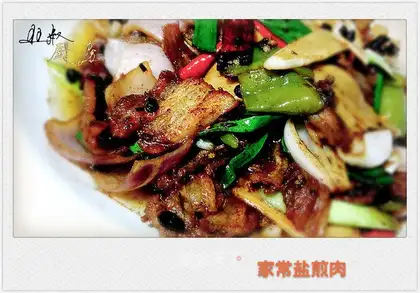 Homemade salt meat