When it comes to the popularity of chrysanthemum tea, office workers know it well. A cup for dry eyes, a sip for a scratchy throat, and if you feel "heaty," you'll be sipping it all day... As for its health benefits, everyone agrees it's the top choice for nourishing the liver and improving vision.
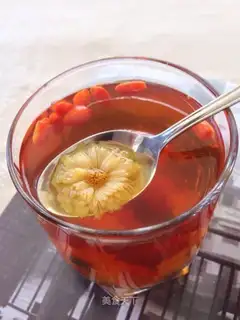
Goji Berry and Chrysanthemum Tea
Is Chrysanthemum Tea Really the Ultimate Health Elixir?
1. Relieves colds and headaches
Chrysanthemum is sweet and bitter in taste, and slightly cold in nature. It can be used for external wind-heat conditions, such as fever, aversion to cold, red and swollen eyes, sores and swelling, as well as dizziness, vertigo, and headaches caused by liver yang rising.
2. Cleanses and moisturizes the skin
Drinking plenty of tea can accelerate fluid circulation, promote metabolism, and clear skin secretions, leaving the skin clean and moist.
3. Lowers serum cholesterol and prevents cardiovascular diseases
Chrysanthemum has a significant effect of dilating coronary arteries and increasing coronary blood flow. It can lower serum cholesterol and plays a significant role in preventing and treating cardiovascular diseases.
4. Prevents cancer
Chrysanthemum contains a flavonoid antioxidant called luteolin. When combined with chemotherapy, this substance can help target and kill cancer cells, making chemotherapy more effective.
Chrysanthemum Tea is Great, But Not for Everyone!
1. Pregnant women: Chrysanthemum tea is cold in nature and sweet in taste, making it very effective at clearing "internal heat." However, pregnant women have a weakened immune system and a relatively weak digestive system. Drinking chrysanthemum tea can easily irritate the stomach, causing abdominal pain and diarrhea, which is not conducive to the healthy development of the fetus.
2. People with allergies: In real life, some people are allergic to chrysanthemum tea. Drinking it can cause allergic reactions such as skin redness and swelling. Therefore, people with allergies may experience side effects, which is detrimental to their health.
3. People with a "cold" constitution: Those with a cold constitution are sensitive to cold, have a weak body, a weak digestive system, and a low immune system. They may experience cold hands and feet, diarrhea, and digestive discomfort even in summer. Chrysanthemum tea, being cold in nature, will only worsen these symptoms and is not good for their health.
4. The elderly and children: Some might think that drinking chrysanthemum tea can lower blood pressure and cholesterol for the elderly, and it's harmless in the summer. However, the elderly have diminished digestive function and a weaker digestive system, and drinking chrysanthemum tea may lead to digestive diseases, so they should be cautious. Children are in a period of rapid growth and development with abundant "yang" energy. Drinking chrysanthemum tea can deplete this energy, so it's best to avoid it.
5. People with a "cold" or "yin" type of cold: Generally, this type of cold is caused by exposure to cold. The nature of chrysanthemum tea makes it unsuitable for these patients. Additionally, those with a cold accompanied by pharyngitis should absolutely not drink it.
How to Brew Chrysanthemum Tea?
Step 1: Rinse the tea
Although chrysanthemums are different from tea leaves, don't forget that a lot of dust and grease can get mixed in during the drying process. Therefore, you must brew them with 80°C (176°F) water for 3 to 5 seconds, then quickly discard the water. If you leave it too long, you will also rinse away the nutrients. You must find the perfect balance.
Step 2: Brew the tea
Pour 100°C (212°F) boiling water or water cooled to 90°C (194°F) over the chrysanthemums and let it steep for 5 minutes before drinking. Note that you should pour the water into the chrysanthemums, not the other way around. This is because pouring the water in will agitate the chrysanthemums, allowing them to steep fully without needing to stir. If you put the chrysanthemums in the water, you will have to stir them yourself, otherwise, they will just float on the surface.
Step 3: Regarding the number of times you can re-brew it, I personally believe you should only do it twice. Brewing more than three times is pointless as there are no more nutrients left, and it's just a waste of effort.
 Pyramid tea