How can one properly prevent colorectal cancer? And what are the warning signs before it develops? Here, we will recommend a grain that not only helps prevent colorectal cancer but also offers multiple health benefits. It was included in the "Essential Formulas Worth a Thousand Gold" by the "King of Medicine," Sun Simiao, during the Tang Dynasty. Let's find out what it is!
Egg Noodles with Greens and Buckwheat Soup
Buckwheat, though a grain, has a low gluten content, being primarily composed of globulin. Its amino acid profile is complementary to other grains like wheat, corn, and rice. As a whole grain, the main purpose of eating it is to ingest its dietary fiber. Dietary fiber is considered by nutritionists to be a "non-nutritive" nutrient; although it does not provide the body with calories, sugar, or protein, its role is irreplaceable.
1. The dietary fiber in buckwheat is known as the "cleaner" of the intestines, like a brush that cleanses the intestinal tract, promotes intestinal peristalsis, and shortens the residence time of carcinogens in the gut, thereby reducing the risk of colorectal cancer.
2. Dietary fiber is the main substance for preventing colorectal cancer. Buckwheat is chosen because its dietary fiber content is 3.4%-5.2%, which is 10 times that of regular rice. It would take about 10 apples, 19 bananas, or 2 jin (1 kg) of celery to get around 30 grams of dietary fiber, whereas 100 grams of buckwheat provides this amount.
3. After entering the intestines, dietary fiber can also promote the proliferation of probiotics, such as Bifidobacterium and Lactobacillus. An increase in probiotics can enhance intestinal immunity, thus maintaining intestinal health and reducing the occurrence of colorectal cancer.
So, eating buckwheat can better prevent colorectal cancer, but why is it recommended to eat it only once a week?
How often to eat buckwheat
While dietary fiber is beneficial, excessive consumption can, on one hand, affect the absorption of other nutrients by the body, such as protein, minerals, fats, and fat-soluble vitamins. On the other hand, too much dietary fiber can also affect digestion, which is not ideal for the elderly and children with weaker gastrointestinal function.
Therefore, the intake of dietary fiber requires attention to quantity control. The Chinese Nutrition Society recommends that adults consume 30 grams of dietary fiber per day. Since regular foods already contain fiber, high-fiber buckwheat should not be eaten too frequently. For infants, once a week is sufficient. For adults, the frequency can be chosen based on their individual condition and the overall coarseness of their diet.
Other benefits of buckwheat
1. Lowering blood pressure
Animal experiments have shown that buckwheat can inhibit the synthesis of enzymes that cause blood vessel tension, thereby lowering blood pressure.
Buckwheat Steamed Buns
2. Lowering blood lipids and blood sugar
The dietary fiber in buckwheat not only helps prevent colorectal cancer but can also slow down the absorption of carbohydrates in the body, helping to control blood sugar. It can also lower cholesterol, protecting the cardiovascular system.
3. Supplementing minerals and vitamins
The magnesium content in buckwheat is over 4 times that of regular wheat flour and 3 times that of rice. It participates in the body's energy conversion and the formation of enzymes. Its iron content helps prevent iron-deficiency anemia, and its calcium content is also high, making it good for bone health. Furthermore, as a whole grain, the bran of buckwheat contains B vitamins, which can promote the metabolism of fats and sugars in the body. Therefore, eating buckwheat not only helps prevent colorectal cancer but can also help regulate various physical ailments. So, what other foods can be chosen to prevent colorectal cancer?
Dietary principles for preventing colorectal cancer
1. Diversify your diet
It's impossible for one food to meet all of the body's nutritional needs, so a diverse diet is more beneficial for health. For example, eat more fruits and vegetables, increase protein intake, and also increase your intake of dietary fiber.
2. Supplement with vitamins
Many vitamins in nature can help the body fight oxidation and resist cancer cells, such as carotene in carrots, lycopene in tomatoes, vitamin E in nuts, and vitamin C in kiwis. Supplementing these vitamins can also help prevent diseases and cancer.
3. Avoid long-term high-fat and high-protein diets
A long-term high-fat and high-protein diet is also a factor contributing to intestinal diseases. Therefore, for our health, we should pay attention to avoiding such a monotonous eating habit.
In conclusion: Colorectal cancer is more prevalent in the central and southern regions of China, and its incidence rate in the country has already surpassed that of developed Western nations. The mortality rate is relatively high, so prevention is the main focus. In this article, we have briefly introduced how consuming buckwheat can help prevent colorectal cancer. We have also covered other health benefits of buckwheat and dietary considerations for intestinal health. We hope this information will be helpful in your efforts to prevent colorectal cancer.
 Buckwheat steamed buns
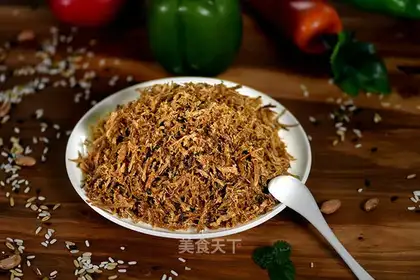 Meat pine