The feeling summer gives us is the muggy heat and rising temperatures. Now that we are in the hot summer, it truly feels as if one can hardly catch their breath. At such a time, a bowl of mung bean soup, known for clearing heat and reducing internal fire, would surely be very refreshing and comforting. Therefore, mung bean soup is one of the favorites in the summer, with the effects of reducing internal heat and preventing heatstroke. However, there are some taboos to be aware of when drinking mung bean soup in the summer. Are you familiar with them?
Lychee and Tremella Mung Bean Soup
As we all know, mung bean soup is an essential food for us during the scorching summer, and an excellent remedy for clearing summer heat. Especially as the temperatures continue to rise, mung bean soup is becoming increasingly popular. Everyone enjoys drinking some mung bean soup in the summer, but it's also important to be mindful. Drinking it incorrectly not only fails to relieve summer heat but can also harm the body. Let's look at the taboos of drinking mung bean soup below.
Taboos of Drinking Mung Bean Soup
1. Do not cook mung bean soup in an iron pot: If you want to drink the most authentic mung bean soup, never cook it in an iron pot, as it is highly unsuitable. Most of the active components of mung beans are in their skins. When the flavonoids in the mung bean skins react with metal ions, they can form darker-colored compounds, turning the soup black. Consuming it can cause gastrointestinal discomfort and indigestion. Therefore, a clay pot is the ideal choice for cooking mung bean soup.
2. Do not add alkali when cooking mung bean soup: Many people add some alkali when cooking mung bean soup to make the beans cook faster, but it's actually best not to add any. Mung beans are rich in vitamin B, an important component of their heat-relieving properties that helps replenish nutrient loss from sweating. Alkali, however, severely destroys vitamin B. At the same time, the antioxidant flavonoids in mung beans will also be lost when alkali is added, causing structural changes and a shift in color to yellow. Therefore, it's best not to add alkali when cooking mung bean soup. If you prefer a thicker soup, consider adding a small amount of rolled oats or glutinous rice to "thicken" it.
3. Do not drink mung bean soup every day: Although mung bean soup helps us relieve summer heat and reduce internal fire, it is not suitable for daily consumption. It's fine to drink it in moderation. Generally, adults can have 2 to 3 bowls a week. For children, it depends on their specific constitution; it's best to consult a doctor first. This is because the protein content in mung beans is even higher than in chicken, and large-molecule proteins need to be converted into small-molecule peptides and amino acids with the help of enzymes to be absorbed by the body. Children's digestive systems are relatively underdeveloped and may have difficulty digesting mung bean protein in a short time, easily leading to indigestion and diarrhea. Generally speaking, children can start to have a small amount of mung beans when they begin eating congee around the age of 2 or 3. After the age of 6, they can drink an adult-sized portion.
4. Do not drink mung bean soup on an empty stomach: When drinking mung bean soup, be sure to remember not to drink it on an empty stomach, as it is very bad for your health. From a Traditional Chinese Medicine perspective, mung beans are considered cool in nature. Drinking them on an empty stomach can easily damage the spleen and stomach. People with a "cold" constitution may already have symptoms like cold limbs, fatigue, cold pain in the lower back and legs, and loose stools. Eating mung beans can worsen these symptoms and even trigger digestive system diseases such as diarrhea, joint and muscle pain caused by stagnant qi and blood, stomach cold, and chronic gastritis caused by a weak spleen and stomach.
5. Do not drink excessive amounts of mung bean soup: When drinking mung bean soup in the summer, it's important to understand that while it is delicious and beneficial, it should not be consumed in excess. The oligosaccharides in mung beans can easily cause bloating. Moreover, mung beans are a food that is not easily digested; excessive consumption can damage the spleen and stomach. For women, drinking too much mung bean soup can also easily trigger problems like abdominal bloating and menstrual cramps.
6. Mung beans cannot be eaten with some traditional Chinese medicines: When we are ill, we need to take medicine, and many people take traditional Chinese medicine to treat or nourish their bodies. Regardless of the reason, it's best not to drink mung bean soup with traditional Chinese medicine. Mung bean itself is a traditional Chinese medicine. If you are suffering from heat-related illnesses such as external wind-heat invasion or internal summer heat, drinking mung bean soup while taking the corresponding medicine can have a synergistic effect. However, people with symptoms like a weak gastrointestinal tract, limb soreness and fatigue, general aversion to cold, cold pain in the lower back and legs, or diarrhea should avoid mung beans when taking medicine. Otherwise, it will not only reduce the efficacy of the medicine but also worsen the condition. Therefore, whether one can eat mung beans while taking traditional Chinese medicine cannot be generalized; it should be determined based on the nature of the illness (cold, heat, deficiency, excess) and the properties of the medicine being taken.
Now we are in a summer with ever-rising temperatures. As the weather gets hotter, more and more people will enjoy drinking mung bean soup. However, to protect your health and achieve the best effects of drinking it, it is essential to remember and understand these taboos. We hope this will receive everyone's attention.
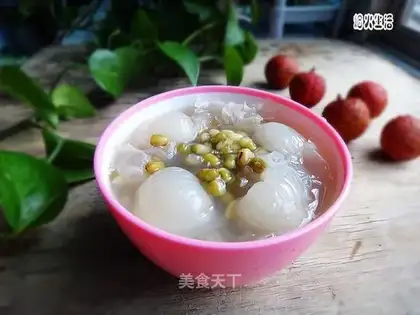 Silver-eared green bean soup