For many people, controlling the heat when cooking is a difficult task. The ingredients for dishes vary widely, some are old and tender, some are soft and hard, and the cooking methods are also different. The use of heat must be determined according to the texture of the ingredients and the cooking method. The following are several common types of heat.
High Heat: Scallion Stir-fried Meat, etc.
High heat, also known as intense heat, is suitable for cooking methods such as stir-frying, quick-frying, blanching, boiling, and steaming. Dishes cooked with high heat are generally soft, crispy, and tender. For instance, boiling lamb or scallion stir-fried meat with high heat can quickly cook the main ingredients, causing the fibers to contract sharply, which prevents moisture from seeping out of the meat, resulting in a tender texture. If the heat is insufficient, the temperature in the pot won't be high enough, or the water won't boil properly. The main ingredients won't contract in time, and will be overcooked or stewed to a tough state. For vegetables, such as blanched spinach or stir-fried cabbage, using high heat not only preserves nutrients but also makes the vegetables look more vibrant and taste crisp and tender.
Medium Heat: Braised Fish, etc.
Medium heat, also known as moderate heat, is suitable for cooking methods such as pan-frying, deep-frying, and pan-searing. For example, making a dish like braised fish inevitably involves a deep-frying step. Many people believe that high heat is needed for deep-frying to achieve a crispy outside and tender inside, but this is not the case. If you deep-fry with high heat, the ingredients will burn prematurely, resulting in a burnt outside and a raw inside. Furthermore, to protect the nutrients in the ingredients and reduce the formation of carcinogens, ingredients are often coated with a batter before frying. If high heat is used, this batter will burn more easily; if the heat is too low, the batter will fall off. Therefore, the best approach is to add the ingredients to the pot with medium heat and then gradually increase the heat.
Ten-Minute Braised Fish
Low Heat: Stewed Pork Ribs, etc.
Low heat, also known as gentle heat, is suitable for main ingredients that are old, hard, and tough, and is often used in cooking methods such as stewing, simmering, boiling, braising, and slow-cooking. For example, when stewing meat or pork ribs, low heat should be used, and the larger the pieces of food, the lower the heat should be. This allows the heat to slowly penetrate the ingredients, achieving a soft and tender result throughout. If high heat is used, the surface of the ingredients will contract rapidly, which not only results in a poor texture but also causes nutrient loss.
Some dishes require two or more levels of heat according to cooking requirements, such as clear stewed beef. Before cooking, the beef is first blanched in boiling water with high heat to remove blood and impurities. Then, it is moved to medium heat, where auxiliary ingredients are added and simmered for a short while. Finally, it is cooked to completion with low heat. This method produces beef that is excellent in color, aroma, and flavor.
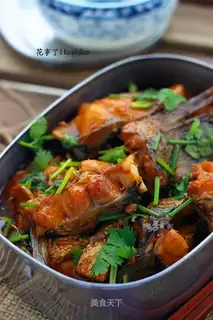 Ten minutes for red fish