The fruit of the ginkgo tree is called ginkgo nut, and many people like to eat some. However, ginkgo nut is a medicinal fruit, and we cannot eat too much of it. So how many ginkgo nuts can you eat in a day? What are the health benefits and dietary taboos of ginkgo nuts?
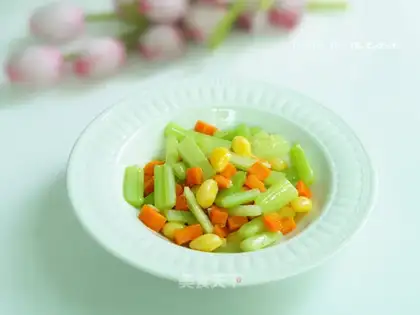
Ginkgo Nut, Celery, and Carrot Stir-fry
How many ginkgo nuts should you eat per day?
For the dosage, adults should not exceed 10 nuts per day, and children should not exceed 5. Infants should not consume them. It is crucial not to eat them raw, as raw nuts are much more toxic than cooked ones. They can be boiled or stir-fried and have effects such as resolving phlegm, stopping coughs, moistening the lungs, and relieving asthma. Ginkgo nuts contain hydrocyanic acid, which is highly toxic. The toxicity decreases when heated, making raw consumption more likely to cause poisoning. The general toxic dose is 10-50 nuts, with poisoning symptoms occurring 1-12 hours after consumption. To prevent ginkgo nut poisoning, it is advisable not to eat too many, and especially not to eat them raw.
Nutritional Value of Ginkgo Nuts
Ginkgo nuts contain a variety of nutrients, including starch, protein, fat, and sugars. They also contain vitamins (such as vitamin C and riboflavin), carotene, and trace elements like calcium, phosphorus, iron, potassium, and magnesium. Furthermore, they contain components like ginkgolic acid, ginkgol, pentosan, and sterols. They have therapeutic and medicinal effects, such as benefiting lung qi, treating coughs and asthma, stopping vaginal discharge, reducing urination, smoothing wrinkles, protecting blood vessels, and increasing blood flow. According to modern medical research, ginkgo can also help clear blood vessels, improve brain function, delay brain aging in the elderly, enhance memory, and treat conditions like Alzheimer's disease and cerebral insufficiency.
Health Benefits of Ginkgo Nuts
1. Ginkgo nuts have the effect of astringing lung qi and relieving coughs and asthma, playing a certain role in preventing and treating respiratory diseases. The peel of the ginkgo nut is rich in fruit acids and ginkgol, which can inhibit the growth of tuberculosis bacteria and help alleviate symptoms like fever and cough caused by tuberculosis.
2. Ginkgo nuts are rich in nutrients such as protein, vitamin C, and carotene, which help dilate microvessels, promote blood circulation, and improve metabolism. They also have the effect of moisturizing the skin and nourishing yin to enhance beauty, making them an excellent food for delaying aging.
3. Ginkgolic acid in ginkgo nuts has antibacterial properties and can help prevent and treat acne. Additionally, ginkgo nuts have the effect of contracting the bladder sphincter and can be used as an auxiliary treatment for conditions like childhood enuresis, frequent urination, and spermatorrhea.
Foods that Incompatible with Ginkgo Nuts
1. Sturgeon Sturgeon and ginkgo nuts are incompatible. Consuming them together can produce biochemical reactions that are detrimental to the human body, and this is especially true for children.
2. Eel Ginkgo nut is warm in nature with slight toxicity, known for its effects of astringing the lungs to relieve asthma, drying dampness to stop vaginal discharge, benefiting the kidneys to secure essence, and suppressing coughs and detoxifying. Eel is neutral in nature and sweet in taste. Both contain complex bioactive substances, and consuming them together can produce biochemical reactions that are detrimental to the human body.
Dietary Taboos for Ginkgo Nuts
1. Pay attention to removing the core. Simply take a toothpick, remove the ends of the ginkgo nut, insert the non-sharp end of the toothpick into one end, and push it through the middle; the core will naturally come out.
2. Pay attention to the amount. It is best not to eat ginkgo nuts raw. Children under 5 should not eat them, and adults should also limit their intake to within 10 grams. After being stewed, the toxin content in ginkgo nuts is reduced, so you can eat a few more.
3. Pay attention to nutritional pairing. Ginkgo nut and old duck soup is a very classic dish. Duck meat can invigorate the spleen and tonify deficiency, and when paired with ginkgo nuts that benefit lung qi, the two complement each other perfectly. For those who prefer a lighter taste, stir-frying ginkgo nuts with celery and wood ear mushrooms is an excellent choice.
 Pygmy celery makes carrots