Introduction: As the saying goes, "In spring, eat flowers; in summer, eat leaves; in autumn, eat fruits; in winter, eat roots." Winter is the season for root vegetables. So, what are root vegetables? What are their nutritional values? Let's find out together.
Root vegetables, as the name suggests, are vegetables with fleshy roots as their edible parts, mainly including sweet potatoes, radishes, Chinese yams, taro (tuberous vegetables), bamboo shoots, lotus root, burdock, etc. Reasons for choosing root vegetables in winter: Firstly, compared to other types of vegetables, root vegetables have lower pesticide residues; Secondly, root vegetables share the common nutritional value of other vegetables and have characteristics that are higher than other vegetables. They are rich in carbohydrates and can replace part of the staple food; Lastly, root vegetables are inexpensive and of good quality, can be stored for a period of time in harsh cold environments, and are suitable for family storage in winter.
Banana Yam Roll
◆ Nutritional Value of Vegetables
Vegetables are generally divided into leafy vegetables, solanaceous fruits and tubers. Vegetables occupy a very important position in our daily diet and are an indispensable category. Vegetables can well compensate for the nutritional deficiencies in grain foods and animal foods. Vegetables have a high water content, usually 70%-90%, containing small amounts of protein, fat, carbohydrates, and rich vitamins, minerals, and dietary fiber. Vegetables are an important source of folic acid, carotene, and B vitamins. "Chinese Residents' Dietary Guidelines" recommends that adults should consume 500 grams of vegetables daily, of which 2/3 are leafy vegetables and 1/3 are melons, fruits, and tubers.
◆ Nutritional Effects and Recommended Consumption Methods for Root Vegetables
The protein content of root vegetables is 1%-2%, the fat content is less than 0.5%, and the carbohydrate content varies greatly, around 3%-20%. Among root vegetables, carrots have the highest carotene content, reaching 4130 micrograms per 100 grams, ranking first among vegetables. The highest selenium content is found in garlic, taro, onions, and potatoes.
Hot and Sour Shredded Potatoes
(1) Potato
"The potato is a treasure, indispensable for every meal." Potatoes can be used as both grain and vegetables, nutritious and edible in all seasons. Potatoes are characterized by high yield, early maturity, wide distribution, and multiple uses. They contain relatively complete nutrients, high calories, and are rich in minerals, carotene, vitamin C, and dietary fiber. Potatoes not only have vitamin C, which is not found in grains, but also carbohydrates, which are lacking in vegetables. They can be considered both beautiful and inexpensive. Potatoes should be eaten often in winter and in dry climates. The sweet and neutral nature of potatoes can nourish our spleen and stomach, replenish qi and moisten the intestines, and moisturize the skin.
Some friends worry that eating potatoes will lead to obesity. In fact, as long as the cooking method is proper and the intake of staple food is reduced accordingly, potatoes will not only not make people fat, but can also help with weight loss.
Tips: Sprouted potatoes are no longer edible and will produce solanine (also known as solanine) toxins. If the green area of the potato is large and there are many sprouted parts, the potato should be thrown away.
Roasted Potatoes with Rosemary
(2) Wei Qing Radish
Radishes generally have a high water content, up to 94%, low calories, and high content of dietary fiber, minerals, vitamin C, and folic acid. The vitamin C content is even higher than that of common fruits. Radishes contain a large amount of amylase, which can decompose starch and aid digestion; the mustard oil they contain has the effect of stimulating appetite. Traditional Chinese medicine believes that its taste is sweet and pungent, its nature is slightly cool, and it can strengthen the stomach, aid digestion, relieve coughs and reduce phlegm, regulate qi and promote urination.
Wei Qing radish has green skin and flesh, thin skin, fine texture, high moisture content, and high sugar content. The taste is crisp, sweet, and slightly spicy, and it is refreshing to eat. Therefore, Wei Qing radish is best eaten raw. When you have eaten too greasy food and have no appetite, chewing a couple of pieces of radish can not only increase your appetite but also has the effect of reducing phlegm, clearing heat and detoxifying, strengthening the spleen and regulating qi, and reducing internal heat.
Tips: Radishes are cool vegetables, so people with excessive cold, weak spleen and stomach, etc., should not eat them in large quantities.
Green Radish Balls
(3) Taro
Taro is rich in nutrition, also known as taro, with a soft, sweet, and glutinous texture. It has a high digestion and absorption rate and is a good alkaline food. Taro contains 13% carbohydrates, mainly starch; about 2% protein, and low fat content. Taro contains a kind of mucoprotein, which is absorbed by the human body to produce immunoglobulin, which can improve the body's resistance. In addition, taro is also rich in potassium, calcium, carotene, vitamins, and other components. Traditional Chinese medicine believes that taro can detoxify and has an inhibitory and resolving effect on human carbuncles, swelling, pain, and even cancer toxicity. Lipu taro has a delicate texture and a special flavor, making it the best quality among taros.
Tips: Taro should not be eaten raw. When choosing taro, those with white, loose, and soft flesh are of superior quality.
Taro in Tomato Sauce
(4) Sweet Potato Candied Sweet Potatoes (5) Burdock Burdock Salad Winter is the season when a large variety of root vegetables are on the market, and they are in season and nutritious. When eating, they should be paired with grains, leafy greens, eggs, soybeans, and animal foods. The principle of a reasonable, nutritious, and balanced diet is unchanged and applies to all seasons. Root vegetables are generally rich in carbohydrates, so the corresponding amount of staple food should be reduced. Using yams, taro, sweet potatoes, etc., to replace part of the staple food is a healthy lifestyle. When choosing vegetables in winter, in addition to root vegetables, leafy greens and solanaceous fruits should also be considered. Common choices like Chinese cabbage, cabbage, sprouts, seedlings, tomatoes, and peppers are also good options. These vegetables are also rich in vitamins, minerals, and dietary fiber. A variety of foods with a mix of coarse and fine grains ensures the nutrients the body needs. Honey Pumpkin and Yam Puree
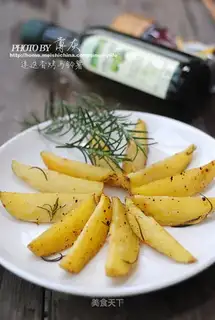 Rosemary roasted potato