Introduction: Health experts have always advocated for a daily diet rich in light vegetarian foods and less in greasy, heavy non-vegetarian foods. This is especially true for the elderly, whose digestive and absorption functions gradually weaken, making it even more important to eat more vegetarian food.
I. Nutritional Benefits of Vegetarianism
1. Vegetarian foods contain a high amount of dietary fiber. Although it is not a nutrient, it is essential for human health. Fiber promotes gastrointestinal peristalsis, enhances digestive and excretory functions, helps the body quickly expel metabolic waste, reduces the absorption of toxic substances, and lowers the incidence of disease. Moreover, some fibers can be broken down by intestinal bacteria to synthesize B vitamins, such as inositol and pantothenic acid, which are also easily absorbed and utilized by the body.
Sautéed Celery with Dried Tofu
2. A vegetarian diet can make hair dark, shiny, and supple. Eating more vegetarian food is highly beneficial to the body in summer or any other season.
3. Vegetarian food also has beauty-enhancing effects. For example, eating more vegetables can increase the body's intake of plant-based fats, keeping the skin smooth and moist. The alkaline substances and vitamins in vegetables help regulate blood and sweat gland metabolism, thereby enhancing skin nutrition.
II. Nutritional Benefits of Non-Vegetarian Food
Meat, poultry, fish, eggs, and dairy products all fall into the category of non-vegetarian food. From a nutritional perspective, they are not only rich in protein, fat, inorganic salts, vitamins, and amino acids, but the protein they contain is also high-quality, an indispensable substance for maintaining human health.
Twice-Cooked Pork
1. The protein in meat is mainly found in muscles. Besides water, skeletal muscle is essentially composed of protein. The amino acid composition of protein in meat, poultry, fish, eggs, and milk is basically the same, containing the 8 essential amino acids needed by the human body in proportions close to the body's requirements. Consumption can greatly promote the development of the brain and body, making one strong and energetic.
2. Although the types of lipids contained in various non-vegetarian foods are not identical, they are all very rich, with relatively high contents of saturated fatty acids, unsaturated fatty acids, and cholesterol.
3. Meat is a good source of iron and phosphorus and also contains a certain amount of copper. For anemic individuals, consuming an appropriate amount of non-vegetarian food is beneficial to health.
Pork Belly with Preserved Mustard Greens
III. Principles for Combining Non-Vegetarian and Vegetarian Foods
Principle One: Balance Between Non-Vegetarian and Vegetarian Foods
The foundation of good health lies in the balanced combination of non-vegetarian and vegetarian foods. This ensures that the body absorbs sufficient high-quality protein, essential amino acids, various vitamins, inorganic salts, and dietary fiber.
Principle Two: Primarily Vegetarian, What to Eat
As mentioned earlier, a purely vegetarian diet is not scientific and can be difficult to meet the body's nutritional needs. However, we advocate a diet that is primarily vegetarian with non-vegetarian foods as a supplement, in a balanced combination. This approach ensures the effective absorption of nutrients from non-vegetarian foods while preventing diseases caused by excessive consumption. Of course, this principle should be applied flexibly and may vary from person to person.
S shredded pork with celery
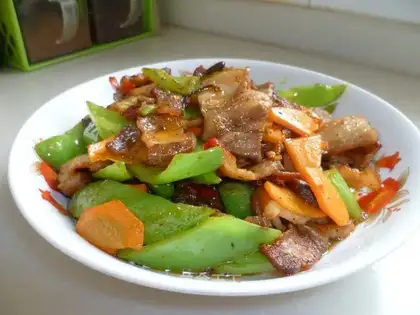 twice-cooked pork
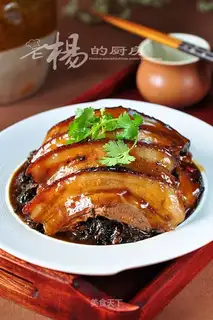 braised pork with plum vegetables
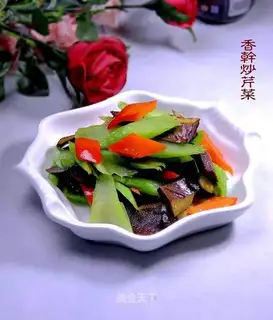 Celery fried dry
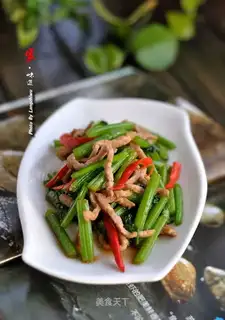 Celery