Introduction: Fermented bean curd is a traditional Chinese fermented soy product, unique to China. It comes in various types such as red, white, blue (stinky tofu), and flower. It is popular among the masses for its unique flavor and low price. Moreover, due to its rich nutrition and diverse tastes, it is called "Chinese cheese" by foreigners.
I. What makes fermented bean curd better than soybeans?
Fermented bean curd is a soy product made from soybeans through microbial fermentation. Through fermentation, the original beany flavor, flatulence factors, and anti-nutritional factors of soybeans are removed, and various alcohols, esters, organic acids, and amino acids that contribute to deliciousness and aroma are produced. Compared to soybeans, fermented bean curd has the following advantages:
1. No bloating Many people experience intestinal bloating after eating soybeans. This is because soybeans contain flatulence factors, such as oligosaccharides like raffinose and stachyose. However, in fermented bean curd, these flatulence factors are broken down by microbial fermentation.
2. Improved protein utilization The protein in soybeans is not easily digested or absorbed. After being hydrolyzed by microbial enzymes, it forms a mixture of low-molecular-weight peptides that are easy to digest and absorb. This increases the digestibility of protein in fermented bean curd from 65.3% in soybeans to 96%. Numerous studies have shown that the amount and quality of protein in fermented bean curd can fully compare with animal-based foods, and it contains no cholesterol. Therefore, fermented bean curd is a high-protein healthy food.
Fermented Bean Curd Braised Pork
3. Increased B vitamins Due to microbial action, the vitamin B2 content in fermented bean curd is second only to dairy products, and 6-7 times higher than that in tofu; the vitamin B12 content is second only to animal liver. For vegetarians, regular consumption of fermented bean curd can help prevent pernicious anemia and senile dementia. The content of vitamin B1 and niacin (also known as nicotinic acid) is also higher in general foods.
4. Increased isoflavone activity Soy isoflavones are a mixture of polyphenols with antioxidant activity that can prevent and inhibit leukemia and have anti-tumor effects, especially for the positive prevention and treatment of breast and prostate cancer. Studies have shown that washing and processing soybeans can reduce isoflavone content, but fermentation does not affect its content and can change the types of isoflavones. In unfermented soy products, isoflavones mainly exist in the form of flavonoid glycosides. In fermented bean curd, fungal hydrolases hydrolyze these glycosides into aglycones (free isoflavones). Free aglycones have broader and stronger antibacterial, antioxidant, and estrogen-like activities. These aglycones have good solubility, low viscosity, and anti-gelation properties, and can be effectively absorbed by the intestines.
5. Lowers cholesterol The fat in fermented bean curd is unsaturated fatty acid, and it itself contains no cholesterol. Many experimental animal studies have shown that the hydrophobic components of protein in fermented bean curd can bind with bile acids, reducing the absorption of cholesterol and the reabsorption of bile acids in the animal body. Many research results in both animals and humans have also confirmed that this protein has a cholesterol-lowering effect, making it healthier than cheese, which is high in cholesterol.
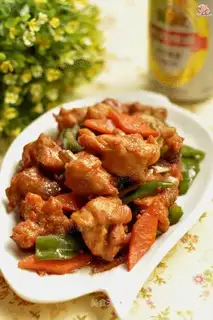
Fermented Bean Curd Chicken Cubes
II. Warm tips for eating fermented bean curd
Fermented bean curd is high in salt. Most people use it as a condiment for congee or rice, but it can also be used to cook unique dishes. For example, using fermented bean curd instead of salt when making braised pork, tofu, taro, water bamboo, Chinese cabbage, or steamed eggs is both delicious and nutritious. It also has a special flavor when spread on steamed buns or sliced bread.
Fermented bean curd is high in both salt and purines. Patients with hypertension, kidney disease, or gout should eat it less or not at all to avoid worsening their condition. For healthy people, the weekly limit is 2-3 times. Taking red fermented bean curd as an example, the amount should not exceed half a block each time. However, people working in high-temperature environments or who sweat a lot can eat some fermented bean curd to replenish lost salt and prevent heatstroke.
Fermented Bean Curd Sauce Soaked Cabbage
 Rogue milk, broccoli
 Roasted chicken
 Pelican apricot and oxen willow