Introduction: "Five Black" foods include black beans, mushrooms, black sesame seeds, black fungus, and black rice.
Black Beans
Black beans have excellent effects of "nourishing the kidneys, nourishing the five organs, warming the stomach and intestines, strengthening muscles and bones, invigorating blood to resolve stasis, expelling wind, detoxifying, and promoting longevity." They are also effective in inhibiting high blood pressure, nourishing and strengthening the body, and resisting aging. Soaking black beans in rice vinegar and consuming about 20 grains every morning year-round yields excellent results.
Mushrooms
Low in fat and calories, cancer-fighting and anti-aging, eating more can also prevent age spots, making them suitable for the elderly. Different mushrooms have different cooking methods: dried mushrooms are stewed with meat, fresh mushrooms are braised with bok choy, straw mushrooms are suitable for stir-frying, and oyster mushrooms are suitable for vegetarian stir-fries and soups.
Stir-fried Broccoli with Mushrooms
Black Sesame Seeds
Black sesame seeds are high in vitamin E, which can not only delay cell aging and extend cell lifespan, but also help reduce facial wrinkles, eliminate deposits on arterial walls, and promote cholesterol metabolism, making them highly effective for longevity.
Black Fungus
Black fungus is a natural anticoagulant that prevents cholesterol from depositing and clotting in blood vessels, earning it the name "aspirin in food." The most common ways to eat it are cold-dressed fungus and fungus stir-fried with cabbage, but it is recommended to consume it only about twice a week. The pigments in the outer skin of black rice are rich in flavonoid active substances, five times more than in white rice, and play a significant role in preventing arteriosclerosis.
Stir-fried Celery with Lily Bulbs and Black Fungus
Black Rice
Black rice contains more dietary fiber, which is beneficial for intestinal peristalsis. The minerals such as potassium and magnesium in black rice also help control blood pressure and reduce the risk of cardiovascular and cerebrovascular diseases. You can eat black rice porridge two to three times a week, or add black rice to your daily steamed rice to make a soft and glutinous "mixed rice."
In addition, the elderly should pay attention to reducing their intake of salt, sugar, and fat in their diet. Meals should be light and low in oil.
Wheat Germ and Black Rice Porridge
 Eggs and seameat
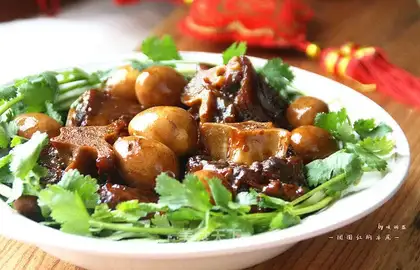 ♪ Rounding the red ox tail ♪
 Rose soy