Introduction: Also known as rapeseed, cole, cold dish, and tai-tsai, rapeseed is said to have been used by the great Tang dynasty physician Sun Simiao. When a growth on his head caused him excruciating pain, he recalled an ancient text mentioning rapeseed's effectiveness for treating "wind wandering red swelling." He immediately applied crushed rapeseed leaves to the area, and the swelling and pain soon subsided. Subsequent generations have since followed this practice.
In China, rapeseed is divided into winter and spring planting zones based on geographical regions. The middle and lower reaches of the Yangtze River and the Sichuan Basin form the winter rapeseed zone, accounting for over 80% of the national planting area. The Qinghai Plateau is a spring rapeseed zone, and when the rapeseed flowers bloom, the yellow blossoms against the blue waters of Qinghai Lake create a spectacular sight.
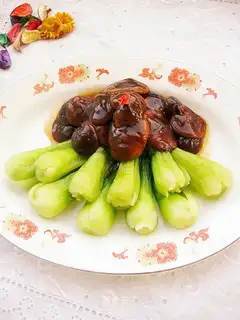
Shiitake and Rapeseed
According to Traditional Chinese Medicine, rapeseed is pungent and cool in nature, and it affects the liver, lung, and spleen meridians. The book "Sui Xi Ju Yin Shi Pu" notes that rapeseed is "delicious when cooked, dispels blood and reduces swelling, breaks stagnation and unblocks the bowels. Its seeds can be pressed for oil, hence its name." In folk medicine, rapeseed is also commonly eaten for habitual constipation, heat-toxicity sores, and other conditions, utilizing its blood-dispersing and swelling-reducing properties.
Rapeseed is a top source of calcium among all vegetables, containing approximately 140 milligrams per 100 grams. Its rich fiber content can reduce fat absorption, promote intestinal peristalsis, and is beneficial for alleviating constipation and preventing colorectal cancer. Studies have also shown that rapeseed contains phytoestrogens, which can, to some extent, inhibit the formation of malignant tumors. Furthermore, eating more rapeseed is also considered beneficial for oral ulcers and gum bleeding caused by excessive heat in the upper body. It should be noted that rapeseed should not be eaten with animal liver, cucumber, or carrots, as the components in these foods may destroy the vitamins in rapeseed.Shiitake and Rapeseed
Laxative Recipe: Suitable for constipation caused by intestinal heat and habitual constipation in the elderly. Wash and cut 100g of rapeseed. Wash and slice 50g of soaked shiitake mushrooms. Heat vegetable oil until moderately hot, sauté scallions and ginger, then stir-fry an appropriate amount of minced lean pork. Add the rapeseed and shiitake mushrooms and stir-fry until cooked. Season with salt and a small amount of sesame oil.
Swelling-Reducing Recipe: Suitable for boils, sores, and breast hyperplasia. Wash 200g of fresh rapeseed, blanch in boiling water, then cut into sections. Shred 100g of kelp, blanch in boiling water. Mix with the rapeseed and dress with sesame paste, MSG, salt, and minced garlic.Hericium and Rapeseed Hearts
 Mushroom pickles
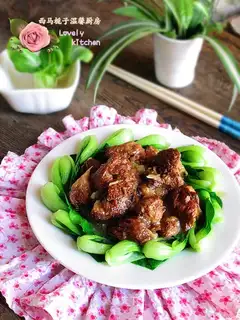 Monkey mushrooms for oil
 Orange juice