Introduction: Yam is not only a delicious food but also a medicinal herb, and a nemesis to many diseases. It's a typical health food that serves both as a food and a medicine. So, what are the health benefits and effects of yam? The editor will now introduce the benefits and effects of yam, and share how to eat it for double the effectiveness!
Benefits and Effects of Yam
Yam, sweet in taste and neutral in nature; affects the lung, spleen, and kidney meridians. It tonifies the spleen; nourishes the lung; secures the kidney; and benefits essence. It is primarily indicated for diarrhea due to spleen deficiency; poor appetite with edema; cough and asthma due to lung deficiency; diabetes; spermatorrhea; leukorrhea; frequent urination due to kidney deficiency; and externally for treating carbuncles and scrofula.
1. Strengthens the Spleen and Stomach, Aids Digestion
It is beneficial for the digestive and absorption functions of the spleen and stomach, serving as a neutral food and medicine that gently tonifies them. It can be consumed by those with either deficient spleen-yang or deficient stomach-yin. Clinically, it is often used with herbal formulas for the stomach and intestines to treat conditions like weak spleen and stomach, poor appetite, listlessness, and diarrhea.
2. Nourishes the Kidney and Essence, Strengthens the Body
It has the effect of nourishing the kidney and essence. It can be taken for conditions such as kidney deficiency with spermatorrhea, excessive leukorrhea in women, and frequent urination.
3. Lowers Blood Sugar
It has the effect of lowering blood sugar and can be used to treat diabetes, making it an excellent dietary choice for diabetics.
4. Promotes Longevity
It effectively prevents the deposition of lipids on blood vessel walls, preventing cardiovascular diseases. It also achieves the effects of improving intelligence, calming the mind, and promoting longevity.
Blueberry Yam
Nutritional Value of Yam
1. The calories and carbohydrates in yam are only about half of that in an equivalent amount of sweet potato. It contains no fat and has a higher protein content than sweet potato.
2. The main component of yam is starch, a portion of which can be converted to dextrin, a breakdown product of starch. Dextrin aids digestion, which is why yam is one of the few tubers that can be eaten raw.
3. Yam contains various trace elements, with a relatively high potassium content. It has few types and quantities of vitamins and almost no carotene.
4. The leaves of the yam plant are an excellent source of carotene and also a good source of calcium, iron, and vitamin C.
How to Store Yam
If the whole yam has not been cut, it can be stored in a cool, ventilated place. If it has been cut, you can cover it with a damp cloth to keep it moist, then store it in the refrigerator. Alternatively, you can peel it, cut it into pieces, pack it in bags, and store it in the refrigerator.
Double Pepper Yam
[NextPage]How to Eat Yam
1. Peeling
It is best to peel yam before eating to avoid an abnormal, itchy or prickly texture. The saponins in the yam skin or the plant alkaloids in the mucilage can cause an allergic, itchy reaction in some people upon contact. When handling yam, avoid direct contact. After peeling, wash your hands thoroughly several times immediately, or you will find yourself itching everywhere you touch.
2. How to Prevent Slipping While Handling
After peeling, the surface mucilage of yam makes it very slippery, making it difficult to hold or place steadily on a cutting board. To cut it into the desired shape, you can rub your hands with some salt and vinegar. This will prevent your hands from slipping and will not affect the natural taste of the yam.
3. Soaking
After slicing yam, it should be immediately soaked in salt water to prevent it from oxidizing and turning black.
4. Fresh yam is mostly used for consumptive cough and diabetes, while cooked yam is eaten to treat deficiencies of the spleen, stomach, and kidney qi.
Three Recommended Ways to Eat Yam
■ Steamed Yam
Peel the yam, cut it into sections, steam it in a pot, and then eat it dipped in sugar. This method is simple and convenient, and the yam has a soft texture, making it most suitable for patients with chronic diseases such as hypertension and stomach problems.
■ Yam Porridge
Add yam chunks or slices when making congee, along with a few red dates. This is most suitable for children and the elderly. These two groups often have poor teeth and weaker digestive systems, and yam porridge is easier for them to digest. In addition, people with a weak spleen and stomach or indigestion are also suitable for drinking yam porridge.
■ Honeyed Yam
Blanch the yam in boiling water, then pour over a prepared honey sauce, and it is ready to eat. This dish is quite suitable for weak and thin women, as it can nourish yin and blood, and strengthen the body. Furthermore, honeyed yam also has a brain-boosting effect, so people who do mental work or feel mentally fatigued can eat more of it.
Mashed Blueberry Yam
 Blueberry Mountain
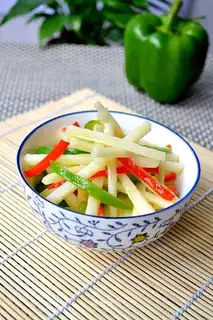 Twin peppers