Introduction: The liver functions like a central bank, responsible for managing the circulation of the body's three major currencies (Qi, blood, and water). Emotions, sleep, diet, and even medications can all affect the liver's function of dredging and regulating. Below, we introduce four foods that can be considered "lifesavers" for the liver.
Green foods are the liver's favorite
Research has found that green, white, and light blue colors help reduce psychological stress and the fear of disease in patients with liver disease. Outdoor green tree shade, lawns, calm lake water, and elegant green environments can all promote recovery for liver disease patients. Traditional Chinese medicine says: "Green enters the liver meridian." Green foods can benefit the circulation and metabolism of liver Qi, eliminate fatigue, and soothe liver depression. Eating more dark or green foods can have a nourishing and protective effect on the liver, such as broccoli, spinach, and green apples.
Broccoli with Wood Ear Mushroom
The liver loves sugar
Most people don't know that sugar is an important substance for protecting the liver. Each gram of glucose provides about 70% of the energy the body needs. If a person is in a state of energy deficiency for a long time, it will affect liver function. Sugar can also be synthesized into a substance called glycogen, which is stored in the liver and can prevent damage to liver cells from toxins ingested into the body.
Except for diabetics, ordinary people can calculate how much sugar they should eat each day based on their weight. For every kilogram of body weight, consume 1 gram of sugar. An adult weighing 60 kilograms should not consume more than 60 grams of sugar per day.
Protein can repair the liver
"High-protein, low-calorie" foods such as eggs, tofu, milk, fish, chicken, sesame seeds, and pine nuts are the liver's favorites. The abundant protein in these foods acts like the liver's "repair crew," repairing liver cells and promoting their regeneration.
Normal people should consume more than 90 grams of high-quality protein per day. For those whose liver function is damaged or weakened, eating more high-protein foods is more beneficial for liver recovery and preventing further damage. Patients with acute hepatitis should not consume less than 80 grams of protein per day; patients with cirrhosis should not consume less than 100 grams.
Almond Tofu
Vitamin A can prevent liver cancer
The liver is the body's "warehouse" for storing vitamins. When the liver is damaged, its ability to store vitamins also decreases. Research shows that vitamin A can protect the liver, stop and inhibit the proliferation of cancer cells in the liver. It can help normal tissues regain function and also help chemotherapy patients reduce the cancer recurrence rate. Experts say that the daily intake of vitamin A for the human body should be: 800 micrograms for men and 750 micrograms for women. Do not exceed 3000 micrograms to avoid damaging the liver. The daily requirement can be met by eating one carrot, 65 grams of chicken liver, 200 grams of canned tuna, or a glass of milk. Tomatoes, carrots, spinach, animal liver, cod liver oil, and dairy products also contain large amounts of vitamin A.
Carrot and Sausage Stir-fry
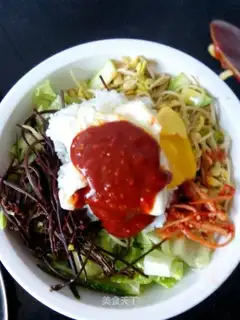 Family meal
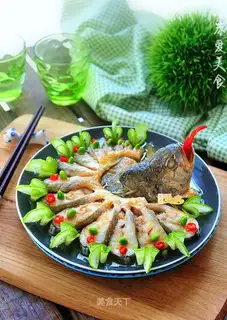 Fish
Fish