Introduction: In the summer, the human body sweats a lot, causing nutrients to be lost quickly. It is important to supplement the nutrients lost through sweat. Legumes are high in protein and rich in B vitamins and minerals, which can effectively supplement the body's needed nutrients. Next, I will introduce several types of beans suitable for eating in the summer and their related recipes.
Cooling Bean — Mung Bean
From the perspective of Traditional Chinese Medicine, mung beans are cool in nature and sweet in taste, with effects of moistening the throat, quenching thirst, clearing heat, replenishing qi, detoxifying, and promoting urination. On a scorching summer day, drinking a bowl of mung bean soup can instantly refresh your mind. Additionally, mung beans can also clear heat from the stomach and intestines.
Recommended way to eat: Boil into mung bean congee or drink as mung bean soup. Mung beans are cold in nature, so people with weak spleen and stomach or a cold constitution should not eat too much.
Swelling-Reducing Bean — Red Bean
Red beans are neutral in nature and can clear heat and detoxify, strengthen the spleen and benefit the stomach, and promote urination to reduce swelling. In the hot summer, the body is very prone to edema, and drinking a bowl of red bean soup can effectively relieve it.
Recommended way to eat: Red beans can be paired with Job's tears and dried tangerine peel, and cooked into a congee with a small amount of rock sugar. However, red beans are diuretic, so people with frequent urination should eat less.
Red Bean Milk
Heart-Protecting Bean — Edamame
Edamame is rich in nutrients such as plant-based protein, potassium, magnesium, B vitamins, and dietary fiber. It also contains health-promoting components such as saponins, phytic acid, and oligosaccharides, which are very beneficial for protecting the cardiovascular system and controlling blood pressure.
Recommended way to eat: Wash the edamame, add Sichuan peppercorns and star anise, then add water and boil for 8-10 minutes. After cooking, sprinkle with salt while hot and mix well before eating.
Kidney-Nourishing Bean — Black Bean
Traditional Chinese Medicine believes that the color black corresponds to the kidneys, so eating black beans regularly is good for the kidneys. In addition, the skin of black beans is rich in anthocyanins, which can remove free radicals from the body and resist aging. Furthermore, anthocyanins also have the effect of protecting the eyes.
Recommended way to eat: Use medium heat to dry the moisture in the black beans until the skin cracks. After cooling, pour in fragrant vinegar to submerge the black beans, seal, and refrigerate for seven days before eating.
Snow Pear and Black Bean Paste
Weight-Loss Bean — Kidney Bean
Kidney beans are nutritious, with high content of protein, calcium, iron, and B vitamins. It is worth noting that saponins in kidney beans can promote fat metabolism, and they also contain substances that can prevent the absorption of carbohydrates.
Recommended way to eat: Cook the kidney beans thoroughly and make them into a cold dish or cook them directly into a congee. It is important to note that kidney beans contain lectins, so they must be cooked thoroughly during cooking to avoid poisoning.
Blood-Lowering Bean — Soybean
The soy protein and soy sterols in soybeans can significantly improve blood lipids and cholesterol, thereby reducing the risk of cardiovascular diseases. In addition, soybeans also contain a large amount of phytoestrogens, which can reduce the risk of hormone-related cancers in women.
Recommended way to eat: After soybeans are made into soy products, their digestibility can be significantly improved. You can drink more soy milk and eat more tofu.
Purple Sweet Potato Soy Milk
 Eggcake
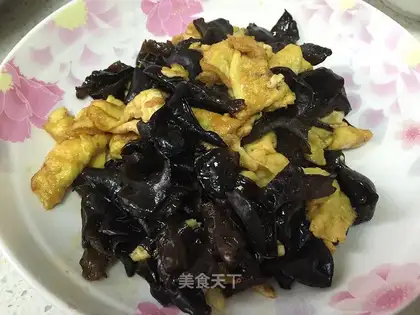 Mocked eggs
 Pine yogurt