Introduction: How to regulate an excess heart fire? In the Five Elements theory, summer corresponds to fire and the heart in the human body. During summer, the heart fire can become excessive, leading to symptoms such as irritability and insomnia. At the same time, summer heat is the primary pathogenic factor of the season, and it is often accompanied by dampness. If the body is harmed by summer heat and the pathogen does not manifest immediately, it can lie dormant within the body. When autumn arrives and the weather cools, it can trigger malaria, characterized by alternating chills and fever, feeling hot when clothed and cold when unclothed.
1. Mulberry
Mulberry is sweet and cold in nature. It has the effects of nourishing the liver and kidneys, promoting the production of body fluids to moisten dryness, and blackening hair and brightening the eyes. Mulberry has been a common fresh fruit used by the public for its diuretic, health-promoting, and heat-relieving properties, with its special effects recorded in the "Compendium of Materia Medica." It is also beneficial as an auxiliary treatment for tinnitus, insomnia, and palpitations caused by yin deficiency and internal heat.
2. Pear
Pear is sweet and slightly sour, and cool in nature, acting on the lung and stomach meridians. It has the effects of promoting the production of body fluids, moistening dryness, clearing heat, and resolving phlegm. It is used for dry cough, thirst, and constipation caused by injury to yin from febrile diseases or yin deficiency. It can also be used for vexing thirst, cough, and yellow phlegm caused by internal heat. Note that pear juice is cold in nature, so those with loose stools should consume it in moderation.
Loquat and Pear Soup
3. Water Chestnut
Water chestnuts have a purplish-black skin and white, sweet, juicy, and crisp flesh, earning them the reputation of "underground snow pear" and being called "Jiangnan ginseng" by people in the north. They can be eaten as a fruit or a vegetable and are a popular seasonal favorite. Water chestnuts are sweet and slightly cold in nature, with the effects of clearing heat, relieving thirst, and resolving phlegm. They are suitable for those with vexation and thirst from febrile diseases, swollen and sore throat, mouth sores, dry stools, and yellow urine. They can be eaten raw, stir-fried, or pounded into a juice and taken cold, which is particularly effective for a sore throat.
4. Lily
In addition to nutrients such as 21.29% protein, 12.43% fat, 11.47% reducing sugar, 1.61% starch, and vitamins (1.443 mg of vitamin B and 21.2 mg of vitamin C per 100g), lily also contains special active ingredients like colchicine. According to Traditional Chinese Medicine, lily is sweet, slightly bitter, and slightly cold in nature. It can clear heat and moisten dryness and is effective for dry cough with little phlegm, low-grade fever, and a sore throat caused by insufficient lung yin. Fresh lily can be pounded into a juice with water, boiled, or cooked with rock sugar.
Western Celery, Lily, and Black Fungus
5. Daylily
Daylily is sweet and cool in nature. It has the effects of stopping bleeding, reducing inflammation, clearing heat, promoting urination to drain dampness, aiding digestion, brightening the eyes, and calming the mind. It is effective for hematemesis, bloody stools, urination difficulty, insomnia, and insufficient lactation, and can be used as a nourishing food for recovery from illness or postpartum.
6. Celery
Celery is rich in protein, carbohydrates, carotene, B vitamins, calcium, phosphorus, iron, sodium, and more. It also has the effects of calming the liver to clear heat, expelling wind to drain dampness, relieving vexation and reducing swelling, cooling the blood to stop bleeding, detoxifying and benefiting the lungs, strengthening the stomach and invigorating blood, clearing the intestines to relieve constipation, moistening the lungs to stop cough, lowering blood pressure, and strengthening the brain to calm the mind. Regular consumption of celery, especially the leaves, is very beneficial for preventing and providing auxiliary treatment for hypertension and arteriosclerosis.
Sausage and Celery
 Weenie celery
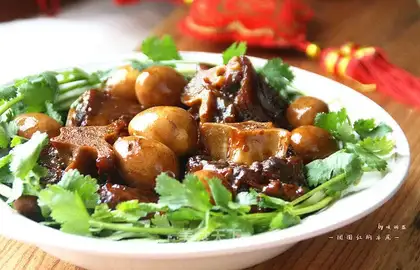 ♪ Rounding the red ox tail ♪
 Pumpkin pie