Introduction: Smoking harms the lungs. Long-term smoking can lead to toxin accumulation in the lungs. How can one cleanse the lungs? Did you know that many types of tea have lung-cleansing properties? Today, we will introduce six types of lung-cleansing teas for you. For smokers looking to reduce lung damage, drinking the following six teas regularly is a good choice.
1. American Ginseng Tea
Smokers often experience issues like insufficient yin fluid and lung dryness. Additionally, the long-term exposure of the respiratory tract to tobacco weakens its resistance, making it more susceptible to diseases. Unlike ginseng, American ginseng is less likely to cause "internal heat" (上火). It has the effects of nourishing yin, replenishing qi, promoting the production of body fluids, and quenching thirst. American ginseng can also promote blood circulation, nourish the lungs, reduce "fire," and moisten the stomach and promote fluid production, making it very suitable for smokers. At the same time, drinking American ginseng lung-cleansing tea can also help regulate diabetes, boost immunity, and protect the cardiovascular and central nervous systems.
2. Honey Grapefruit Tea
In the "Compendium of Materia Medica" (本草纲目), grapefruit is documented as sweet, sour, and cold in nature, with the effects of regulating qi, transforming phlegm, moistening the lungs, and clearing the intestines. It is very suitable for patients with spleen deficiency, poor appetite, a bland taste in the mouth, and indigestion. For smokers, the phlegm-expelling and thirst-quenching effects of grapefruit tea can alleviate the damage smoking causes to the respiratory tract, throat, and esophagus. At the same time, smoking also affects oral health; both grapefruit and honey have antibacterial properties, which are beneficial for maintaining oral health.
Furthermore, smokers often experience symptoms of "internal heat" (上火), and drinking this tea can help improve constipation. Moreover, its rich vitamin C content can combat fatigue and provide antioxidant effects, while hesperidin can regulate blood pressure and improve blood vessel aging caused by smoking.
Honey Grapefruit Tea
3. Luo Han Guo Tea (Monk Fruit Tea)
Luo Han Guo, also known as "false bitter melon" or "invaluable treasure," is hailed as a "divine fruit." It is extremely nutritious. Fresh Luo Han Guo contains 400-500 mg of vitamin C per 100 grams, as well as substances such as glycosides, fructose, glucose, and protein.
From a Traditional Chinese Medicine (TCM) perspective, Luo Han Guo has the effects of moistening the lungs, clearing heat, promoting the production of body fluids, and quenching thirst. It is suitable for conditions like lung heat, lung dryness, and cough caused by smoking. TCM also holds that Luo Han Guo is sweet, sour, and cool in nature, capable of clearing heat and cooling the blood, expelling intestinal toxins, and improving skin quality. It is also suitable for treating sore throat and irritability caused by smoking. From a modern medical perspective, Luo Han Guo contains D-mannitol, which has a cough-suppressing effect. It is also applicable for high blood pressure and glaucoma, helps lower blood lipids, and improves obesity, thereby minimizing the harm of smoking.
4. Osmanthus Tea
Long-term smokers often experience bad breath, blurred vision, and ulcers. For female smokers, smoking can also lead to excessive toxins in the body, skin spots, and a dull, sallow complexion. Although osmanthus has a warming effect, it does not cause "internal heat" (上火). Instead, it acts to moisten the lungs, eliminate bad breath, detoxify, beautify the skin, and relieve coughs and phlegm. Moreover, osmanthus tea has a rich aroma and helps to harmonize the stomach and regulate the intestines after consumption. Therefore, it is very suitable for smokers.
Luo Han Guo Osmanthus Tea
5. Chrysanthemum and Dried Tangerine Peel Tea
Long-term smoking can also harm the stomach, increasing gastric acid secretion and inducing diseases like gastritis, gastric ulcers, and reflux esophagitis. Drinking chrysanthemum and dried tangerine peel tea can not only nourish the stomach but also alleviate coughs, "stomach fire" (胃火), and a burning sensation in the nasal passages caused by tobacco smoke. First, this tea has the effects of cleansing the intestines, promoting qi downward, and aiding digestion, making it suitable for patients with chronic gastritis. Second, chrysanthemum clears heat and removes fire, and has detoxifying effects, making it very effective for regulating dry mouth, "internal heat," sore throat, lung dryness, and blurred vision. Additionally, dried tenter peel contains volatile oils that have a slight dilating effect on the trachea. Both dried tangerine peel and chrysanthemum have anti-inflammatory properties.
6. Green Tea
When tobacco burns, it produces compounds that can thicken the inner walls of arteries and raise blood sugar, easily causing problems like thrombosis and arteriosclerosis. Drinking more green tea can help, as its catechins can better prevent cholesterol from depositing on the blood vessel walls and also help lower blood sugar.
Furthermore, the theophylline in green tea has a diuretic effect, which can shorten the time harmful substances from smoking stay in the body, acting as a diuretic and detoxifying agent. In fact, in addition to this, long-term smokers should also pay attention to supplementing other nutrients to reduce the harm of tobacco from multiple aspects.
Homemade Green Tea Powder
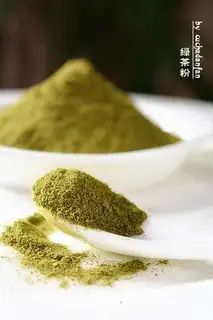 Homemade green tea powder
 Fish steam tofu
 A pound cake of clot nuts