After Minor Heat, the hottest "Sanfu" days of summer begin. The weather is hot and humid, and it's easy to develop summer-heat and dampness symptoms if you're not careful. Most melons can clear heat and transform dampness, help expel toxins, and are light and tasty, making them excellent foods for cooling down and preventing heatstroke in the summer. They are also seasonal vegetables. Therefore, there has been a folk saying since ancient times, "Eat melons in the summer."
1. Cold Bitter Melon: Relieves heat rash
During the "bitter summer," one can't help but think of bitter melon. Although its name and taste carry the unpleasant "bitter," bitter melon is nutritious and beneficial to eat at this time. Traditional Chinese Medicine (TCM) considers bitter melon to be bitter, non-toxic, and cold in nature, affecting the Heart, Liver, Spleen, and Lung meridians. It has the effects of clearing heat and resolving summer-heat, clearing the heart and alleviating vexation, replenishing qi and relieving fatigue, and benefiting the kidneys and promoting urination. If you feel bothered by summer-heat, thirst, or have heat rash, you can try adding bitter melon to your summer diet.
It should be noted that although bitter and other bitter foods have the effects of clearing summer-heat and strengthening the spleen to whet the appetite, they are particularly suitable for consumption during the "Sanfu" days. However, due to their cold nature, they are not suitable for everyone. People with a weak spleen and stomach should be cautious.
Laba Bean Salad with Bitter Melon
2. Stir-fried Loofah: Relieves phlegm and wheezing
In addition to being delicious, loofah is also highly nutritious, rich in vitamins, minerals, plant mucus, xyloglucan, and other substances, and its entire plant can be used for medicinal purposes. Loofah can be considered a great "helper" for clearing heat, purging fire, cooling the blood, and detoxifying in the summer. TCM considers loofah to be cold in nature and sweet in taste, affecting the Liver and Stomach meridians. It has the effects of relieving summer-heat and promoting bowel movements, expelling wind and resolving phlegm, and cooling the blood and detoxifying. In addition, if you experience symptoms like phlegm and wheezing, coughing, obstructed lactation, or vexation and thirst from heat illness, you can try eating loofah as a supplementary treatment. It should be noted that loofah is cold in nature, and eating too much may cause loose stools or diarrhea. Therefore, people with long-term illness, a weak body, a weak spleen and stomach, or those who are prone to indigestion should eat it in moderation.
Loofah with Scrambled Eggs
3. Winter Melon Soup: Increases appetite
When it comes to summer-heat-relieving melons in the summer, besides watermelon, the easiest one to think of is winter melon. TCM considers winter melon to be sweet, bland, and slightly cold in nature, affecting the Lung, Large Intestine, Small Intestine, and Bladder meridians. It can clear heat and transform phlegm, alleviate vexation and quench thirst, reduce fire and detoxify, and promote urination and reduce swelling. Since it contains no fat and has a low sugar content, it is a good choice for people with diabetes, cardiovascular and cerebrovascular diseases, and hypertension. Many people love to cook winter melon soup with the skin on when the summer heat is at its peak. Indeed, winter melon has the effect of clearing heat and resolving summer-heat, and it contains various vitamins and trace elements needed by the human body, which can regulate the body's metabolic balance.
It should be noted that melon vegetables with high water content, like winter melon, are also a good choice for rehydrating, and they also play a role in clearing heat and summer-heat and increasing appetite. However, people with a weak spleen and stomach, insufficient yang energy, or kidney deficiency should not eat too much.
White Fungus and Winter Melon Sweet Soup
 Blackwood
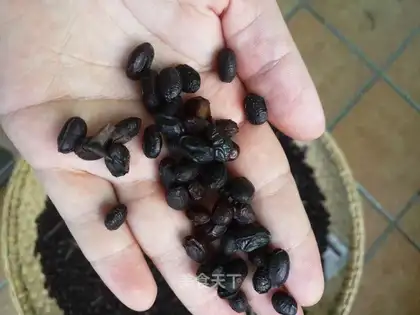 Glycerine black beans
 Wolftooth potatoes