Foods that are "meaty" in texture might give you the impression of being "unsophisticated," but they are actually quite distinctive in terms of nutrition. Let me introduce them to you one by one.
1. Pumpkin for Eye Health
Pumpkin is the champion among gourds in its beta-carotene content. In the body, beta-carotene is converted into vitamin A, which is very beneficial for protecting the optic nerve, improving vision, and preventing eye diseases. In addition, pumpkin is rich in pectin, which has excellent adsorption properties and helps eliminate the effects of toxic substances in the body. Millet is also rich in carotene, and when cooked into a congee with pumpkin, it nourishes the stomach and protects the eyes. However, pumpkin is considered a "hot" food, so people who are prone to "heatiness" should not eat too much of it.
Pumpkin Millet Bagels
2. Kidney Beans for Calcium Supplementation
Calcium strengthens bones and stabilizes mood. Kidney beans are the "calcium champion" in fruits and vegetables, with 100 grams of unshelled kidney beans containing up to 349 milligrams of calcium, almost half of the daily recommended intake of 800 milligrams. Asparagus and kidney beans are a perfect match for calcium supplementation, as the root of asparagus contains inulin, which can enhance calcium absorption. When cooking kidney beans, be sure to cook them at high temperatures until they are fully cooked, as undercooked kidney beans can produce toxins that may cause diarrhea and vomiting after consumption.
3. Taro for Bowel Regularity
The nutritional value of taro is similar to that of potatoes, and it does not contain the solanine toxin, so it can be used as a substitute for some staple foods. What's rare is that it naturally contains a type of polysaccharide plant gum and dietary fiber, which can moisten the intestines, promote bowel movements, and aid digestion. It is recommended to steam it plainly or stew it with meat to preserve most of its nutrients. Due to its high starch content, it should not be eaten in excess to avoid bloating. Diabetics should eat less taro, and those with damp-heat in the stomach and intestines should avoid it.
Taro with Pork Belly
4. Chinese Yam for Spleen and Stomach Health
Chinese yam is known as "little ginseng." The mucopolysaccharides it contains can prevent mucosal damage and protect the stomach wall under the action of pepsin, preventing gastric ulcers and gastritis. Additionally, the polyphenol oxidase it contains can help the spleen and stomach digest. Chinese yam paired with meats like chicken, pork ribs, or beef brisket can strengthen the spleen and harmonize the stomach. It is suitable for the general population, but people with constipation should not eat it.
5. Purple Sweet Potato for Antioxidation
The anthocyanin content in purple sweet potatoes far exceeds that of other tubers, making it a master of antioxidant activity and clearing oxygen free radicals in the body. The selenium it contains is easily absorbed by the human body and remains in the serum to also fight free radicals and inhibit the growth of tumor cells. Purple sweet potatoes are perfect for making porridge or soups, and steaming or boiling can retain more nutrients. Pairing it with honey or yogurt to make a cold dessert can improve the taste and enrich the nutrition, making it suitable for summer consumption. Because purple sweet potatoes can produce acid in the stomach, patients with stomach problems should not eat them.
Cranberry Jelly-filled Purple Sweet Rice Balls
 Cutter
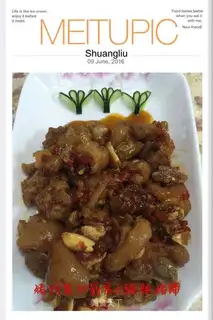 Spicy pig hoof
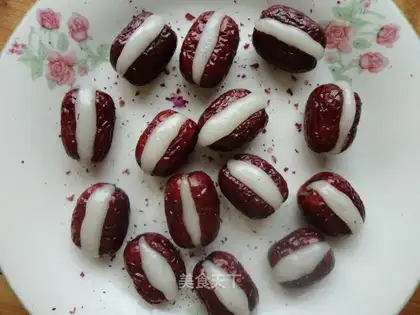 It's too soft