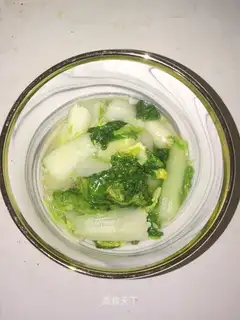
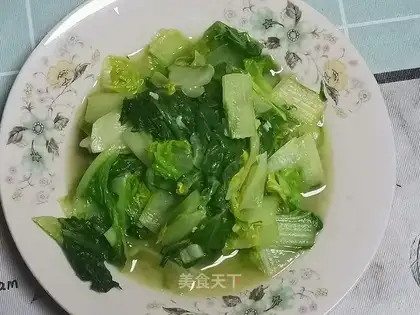
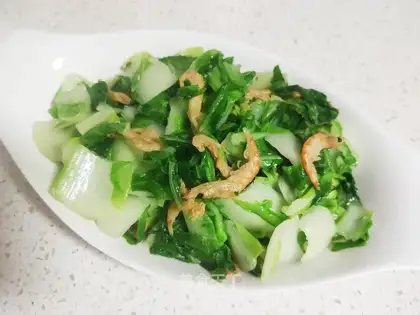
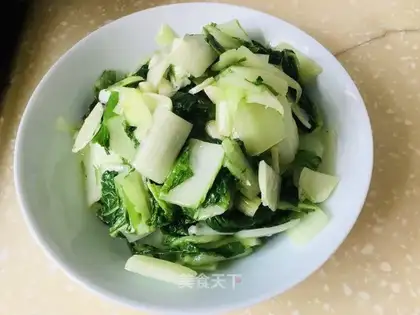
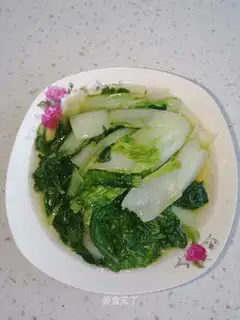
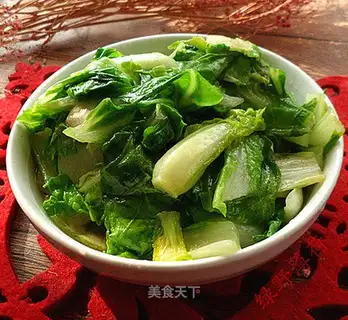
Pak choi, also known as bok choy, Chinese cabbage, or white cabbage, is a leafy green vegetable that has been a staple in Asian cuisine for centuries. Belonging to the Brassica genus, which includes broccoli, kale, and cabbage, pak choi is celebrated for its crisp texture, mild flavor, and exceptional nutritional profile. Often referred to as the "fast vegetable" in some regions due to its rapid growth cycle, pak choi is not only easy to cultivate but also a nutritional powerhouse, offering a wide array of health benefits. This article explores the nutritional value of pak choi, its potential health benefits, culinary versatility, and important precautions to consider when incorporating it into a diet.
I. Nutritional Value of Pak Choi
Pak choi is a low-calorie, nutrient-dense vegetable, making it an ideal choice for those seeking to maintain a healthy weight while boosting nutrient intake. A 100-gram serving of raw pak choi contains approximately:
- Calories: 13 kcal
- Carbohydrates: 2.2 g (with 1.5 g being fiber)
- Protein: 1.5 g
- Fat: 0.2 g
- Vitamins:
- Vitamin K: 59% of the Daily Value (DV) – essential for blood clotting and bone health.
- Vitamin C: 35% DV – a powerful antioxidant that supports immune function and skin health.
- Vitamin A: 15% DV (as beta-carotene) – vital for vision, immune function, and cell growth.
- Folate (Vitamin B9): 10% DV – important for DNA synthesis and cell division, especially during pregnancy.
- Minerals:
- Calcium: 8% DV – contributes to bone and teeth health.
- Potassium: 7% DV – helps regulate blood pressure and fluid balance.
- Manganese: 5% DV – supports metabolism and antioxidant defense.
- Phytochemicals: Pak choi is rich in glucosinolates (compounds that break down into beneficial isothiocyanates), flavonoids, and carotenoids, which possess antioxidant and anti-inflammatory properties.
Its high water content (over 90%) and low calorie count make it an excellent choice for hydration and weight management, while its fiber content promotes digestive health.
II. Health Benefits of Pak Choi
The combination of vitamins, minerals, and phytochemicals in pak choi contributes to numerous health benefits, backed by scientific research.
1. Supports Bone Health
Pak choi is an excellent source of vitamin K and calcium, two nutrients critical for maintaining strong bones. Vitamin K activates proteins that help bind calcium to the bone matrix, reducing the risk of fractures and osteoporosis. A study published in the American Journal of Clinical Nutrition found that adequate vitamin K intake is associated with a lower risk of hip fractures in older adults. Additionally, pak choi’s calcium content, though lower than dairy products, is easily absorbed by the body, making it a valuable plant-based source for bone health.
2. Boosts Immune Function
The high vitamin C content in pak choi plays a key role in immune health. Vitamin stimulates the production of white blood cells, which are essential for fighting infections. It also acts as an antioxidant, protecting cells from damage caused by free radicals. Regular consumption of vitamin C-rich foods like pak choi may reduce the duration and severity of colds and other respiratory infections.
3. Promotes Heart Health
Pak choi contains several compounds that support cardiovascular health. Its potassium content helps regulate blood pressure by balancing sodium levels in the body, reducing strain on the heart. The fiber in pak choi also lowers LDL (bad) cholesterol levels, preventing plaque buildup in arteries. Furthermore, the glucosinolates in pak choi are converted into isothiocyanates, which have been shown to reduce inflammation and oxidative stress, both of which are risk factors for heart disease.
4. Aids in Digestion and Weight Management
The fiber in pak choi adds bulk to stool, promoting regular bowel movements and preventing constipation. It also acts as a prebiotic, feeding beneficial gut bacteria and supporting a healthy gut microbiome. For weight management, pak choi’s low calorie and high water content help increase satiety, reducing overall calorie intake. Its fiber content slows digestion, keeping you full for longer and curbing unnecessary snacking.
5. Has Anti-Cancer Properties
Pak choi belongs to the Brassica family, which is known for its cancer-fighting properties. The glucosinolates in pak choi break down into isothiocyanates, such as sulforaphane, which have been shown to inhibit the growth of cancer cells. Studies suggest that these compounds may protect against certain types of cancer, including breast, prostate, and colon cancer, by reducing DNA damage and blocking tumor growth.
6. Supports Eye Health
Pak choi is rich in beta-carotene, which the body converts into vitamin A. Vitamin A is essential for maintaining good vision, particularly in low-light conditions. It also helps prevent age-related macular degeneration (AMD), a leading cause of vision loss in older adults. Additionally, the lutein and zeaxanthin in pak choi, two antioxidants that accumulate in the retina, protect the eyes from oxidative damage caused by blue light and UV rays.
III. Culinary Uses and Versatility
Pak choi’s mild, slightly sweet flavor and crisp texture make it a versatile ingredient in various cuisines. It can be eaten raw, stir-fried, steamed, boiled, or grilled, and it pairs well with a wide range of ingredients.
1. Raw Consumption
Young pak choi leaves can be added to salads for a crunchy texture and fresh flavor. They can also be used in wraps or sandwiches as a low-calorie alternative to lettuce.
2. Stir-Frying
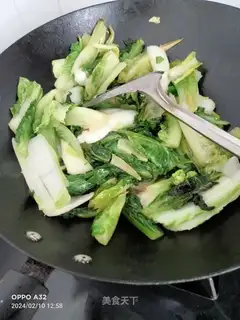
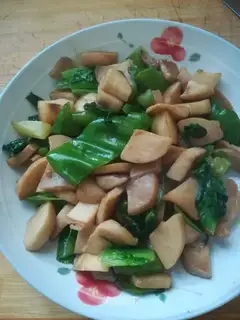
Stir-frying is one of the most popular ways to cook pak choi, especially in Asian cuisine. High heat and a small amount of oil (such as sesame or olive oil) help retain its crunchiness while enhancing its flavor. Common stir-fry pairings include garlic, ginger, soy sauce, and tofu or chicken.
3. Steaming and Boiling
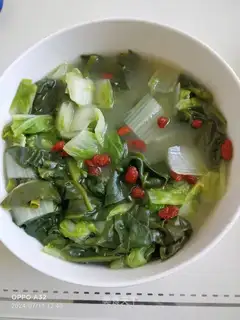
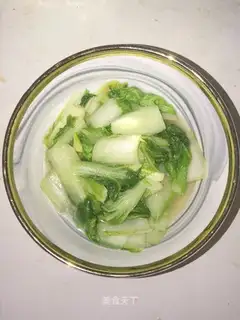
Steaming pak choi preserves its nutrients and delicate texture. It can be served as a side dish with a drizzle of olive oil and lemon juice or added to soups and stews. Boiling is less common as it may cause some nutrient loss, but it is still a simple way to cook pak choi, especially for those who prefer softer greens.
4. Grilling and Roasting
Pak choi can be grilled or roasted for a smoky flavor. Brushing the leaves with a little oil and grilling them for a few minutes on each side caramelizes the edges, adding depth to the dish. Roasted pak choi also pairs well with roasted meats or grains like quinoa and rice.
5. Fermentation
Like other cruciferous vegetables, pak choi can be fermented to make kimchi, a traditional Korean dish. Fermentation enhances the gut health benefits by increasing the number of probiotics, which support a healthy digestive system.
IV. Precautions and Potential Side Effects
While pak choi is generally safe for most people, there are a few precautions to keep in mind:
1. Goitrogen Content
Pak choi contains goitrogens, compounds that can interfere with thyroid function by inhibiting the uptake of iodine. People with thyroid conditions, such as hypothyroidism, should consume pak choi in moderation, especially in its raw form. Cooking pak choi reduces its goitrogen content, making it safer for those with thyroid issues.
2. Blood-Thinning Medications
Pak choi is high in vitamin K, which plays a key role in blood clotting. People taking blood-thinning medications, such as warfarin, should maintain a consistent intake of vitamin K to avoid interactions. Sudden increases or decreases in vitamin K intake can affect the medication’s effectiveness.
3. Pesticide Residues
Like many leafy greens, pak choi may contain pesticide residues if not grown organically. To minimize exposure, it is advisable to wash pak choi thoroughly under running water or buy organic varieties.
4. Digestive Issues
While fiber is beneficial for digestion, consuming large amounts of pak choi, especially raw, may cause bloating or gas in some individuals. Starting with small portions and gradually increasing intake can help the body adjust.
V. Conclusion
Pak choi is a nutritional powerhouse that offers a wide range of health benefits, from supporting bone and immune health to reducing the risk of chronic diseases. Its versatility in the kitchen makes it an easy addition to any diet, whether raw, stir-fried, or fermented. While it is generally safe for most people, those with thyroid conditions or taking blood-thinning medications should consume it in moderation and cook it to reduce goitrogen content. By incorporating pak choi into meals regularly, individuals can enjoy its delicious flavor while reaping its numerous health benefits. As research continues to uncover the potential of this humble vegetable, it is clear that pak choi is a valuable addition to a balanced and nutritious diet.