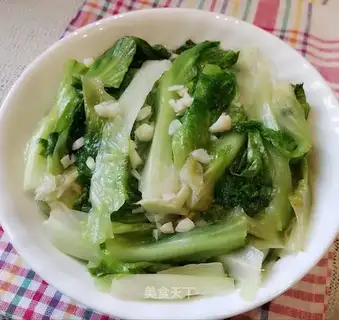
Leafy lettuce, a staple in salads, sandwiches, and cuisines worldwide, is far more than a mere garnish. With its crisp texture, mild flavor, and vibrant color, this humble vegetable has earned its place as a nutritional cornerstone. From ancient civilizations to modern health trends, lettuce has been celebrated for its versatility and health-promoting properties. This article delves into the nutritional profile of leafy lettuce, its diverse health benefits, potential precautions, and practical tips for maximizing its consumption.
I. Nutritional Profile: The Low-Calorie Nutrient Dynamo
Leafy lettuce—encompassing varieties like romaine, butter, iceberg, and loose-leaf lettuce—is renowned for its low calorie density while packing a surprising array of essential vitamins, minerals, and bioactive compounds. A 100-gram serving of raw romaine lettuce, for instance, contains approximately:
- Calories: 17 (making it ideal for weight management).
- Fiber: 2.1 grams, aiding digestion and satiety.
- Vitamin A: 4,363 IU (over 100% of the daily recommended intake), crucial for vision, immune function, and cell growth.
- Vitamin K: 85.9 micrograms (over 70% of daily needs), essential for blood clotting and bone metabolism.
- Folate (Vitamin B9): 36 micrograms (9% of daily value), vital for DNA synthesis and fetal development.
- Vitamin C: 4 milligrams (7% of daily value), an antioxidant that supports immune health and skin integrity.
- Potassium: 194 milligrams (4% of daily value), important for fluid balance and blood pressure regulation.
- Calcium: 36 milligrams (3% of daily value), contributing to bone health.
Lettuce also contains trace amounts of iron, magnesium, and phosphorus, along with antioxidants like lutein, zeaxanthin, and beta-carotene, which combat oxidative stress. Notably, darker varieties like romaine and red leaf lettuce are richer in nutrients compared to paler iceberg lettuce, though the latter still offers hydration and crunch with minimal calories.
II. Health Benefits: Beyond the Salad Bowl
The nutrients in leafy lettuce translate into a host of health benefits, supported by scientific research and traditional use.
1. Supports Weight Management
Lettuce’s high water content (over 90%) and low calorie density make it a perfect food for weight control. A 100-gram serving provides just 17 calories while contributing to feelings of fullness, reducing overall calorie intake. Its fiber content slows digestion, preventing blood sugar spikes and subsequent cravings—key factors in maintaining a healthy weight.
2. Enhances Bone Health
Vitamin K is the star nutrient for bone health, as it activates proteins like osteocalcin, which regulate calcium deposition in bones. A single cup of romaine lettuce meets nearly 100% of daily vitamin K needs, reducing the risk of osteoporosis and fractures. Lettuce also contains small amounts of calcium and phosphorus, further supporting bone density.
3. Boosts Immune Function
Vitamin C and vitamin A in lettuce work synergistically to strengthen the immune system. Vitamin C stimulates the production of white blood cells, while vitamin A maintains the integrity of mucosal barriers (e.g., in the respiratory and digestive tracts), preventing pathogen invasion. Studies suggest that adequate vitamin A intake may reduce the severity and duration of illnesses like colds and flu.
4. Promotes Heart Health
Lettuce’s potassium content helps counteract the effects of sodium, lowering blood pressure and reducing the risk of hypertension—a major risk factor for heart disease. Additionally, the fiber in lettuce binds to cholesterol in the digestive system, limiting its absorption and improving lipid profiles. Antioxidants like lutein and quercetin further protect blood vessels from oxidative damage.
5. Improves Digestion and Gut Health
The fiber in lettuce, particularly insoluble fiber, adds bulk to stool and promotes regular bowel movements, preventing constipation. Soluble fiber, on the other hand, acts as a prebiotic, feeding beneficial gut bacteria (e.g., Bifidobacteria and Lactobacilli), which are essential for digestion, nutrient absorption, and immune regulation. A healthy gut microbiome has also been linked to reduced inflammation and improved mental health.
6. Protects Vision
Lettuce is rich in lutein and zeaxanthin, antioxidants that accumulate in the retina and protect against age-related macular degeneration (AMD) and cataracts. These compounds filter harmful blue light and neutralize free radicals, preserving vision as we age. Vitamin A further supports eye health by maintaining the cornea and preventing night blindness.
7. Hydration and Detoxification
With over 90% water content, lettuce is an excellent way to stay hydrated, especially in hot weather or during exercise. Proper hydration supports kidney function, enabling the body to flush out toxins and waste products efficiently. Lettuce also contains compounds like chlorophyll, which may aid in detoxification by binding to heavy metals and other pollutants.
III. Potential Precautions and Considerations
While lettuce is generally safe for most people, certain precautions should be noted to maximize its benefits and avoid adverse effects.
1. Pesticide Residues
Conventionally grown lettuce is often treated with pesticides, which may leave residues on leaves. To minimize exposure:
- Choose organic lettuce when possible, as it is grown with fewer synthetic pesticides.
- Wash thoroughly: Rinse leaves under running water for at least 30 seconds, or use a vegetable brush to remove dirt and residues. Soaking in a solution of water and 10% vinegar for 10 minutes can further reduce contaminants.
2. Contamination Risks
Lettuce is prone to bacterial contamination, such as E. coli, Salmonella, or Listeria, especially when grown in close contact with animal manure or harvested unsanitarily. To reduce risk:
- Buy fresh, crisp leaves with no signs of wilting or discoloration.
- Store properly: Keep lettuce refrigerated at 4°C (39°F) and consume within 5–7 days of purchase. Avoid cross-contamination by using clean utensils and cutting boards.
- Avoid pre-cut lettuce if possible, as it has a higher surface area for bacterial growth. If using pre-cut varieties, consume them immediately after opening.
3. Blood-Thinning Medications
Lettuce is high in vitamin K, which plays a key role in blood clotting. Individuals taking anticoagulant medications (e.g., warfarin) should maintain consistent vitamin K intake to avoid interactions. Sudden increases in vitamin K consumption can reduce the effectiveness of these drugs, raising the risk of blood clots. Such individuals should consult their doctor or a dietitian to determine a safe and consistent intake.
4. Oxalates and Kidney Stones
Lettuce contains oxalates, compounds that can bind to calcium and form kidney stones in susceptible individuals. While lettuce is not as high in oxalates as spinach or rhubarb, those with a history of kidney stones may need to limit consumption. Cooking lettuce can reduce oxalate levels by 10–15%, making it a safer option for at-risk individuals.
5. Allergic Reactions
Though rare, some people may be allergic to lettuce, particularly pollen-allergic individuals (oral allergy syndrome). Symptoms include itching, swelling of the lips or tongue, and in severe cases, anaphylaxis. Those with known lettuce allergies should avoid it and seek alternatives like arugula or kale.
IV. Practical Tips for Incorporating Lettuce into Your Diet
To reap the benefits of lettuce, consider these creative and practical ways to include it in your meals:
- Salads: Combine romaine, red leaf, or butter lettuce with colorful vegetables (e.g., tomatoes, cucumbers, bell peppers), lean protein (e.g., grilled chicken, chickpeas), and a healthy dressing (e.g., olive oil and lemon).
- Sandwiches and Wraps: Use large lettuce leaves as a low-carb substitute for bread in wraps or as a crisp layer in sandwiches.
- Smoothies: Blend a handful of lettuce with fruits (e.g., bananas, berries) and greens (e.g., spinach) for a nutrient-packed smoothie. Lettuce adds bulk without overpowering the flavor.
- Soups and Stir-fries: Add lettuce to soups in the last few minutes of cooking to retain its crunch, or stir-fry it with garlic and soy sauce for a quick side dish.
- Juice: Juice lettuce with carrot, celery, and ginger for a hydrating, detoxifying drink.
V. Conclusion
Leafy lettuce is a nutritional powerhouse that offers a wide range of health benefits, from supporting weight management and bone health to boosting immunity and protecting vision. Its low calorie density, high water content, and rich nutrient profile make it an ideal choice for people of all ages. While precautions like washing thoroughly and monitoring vitamin K intake for those on blood thinners are important, incorporating lettuce into your diet is a simple yet effective step toward better health. Whether enjoyed in a crisp salad, a hearty sandwich, or a refreshing smoothie, lettuce proves that humble ingredients can have a profound impact on well-being. As the saying goes, “let your food be your medicine”—and lettuce is a perfect example of nature’s medicine on a plate.