Garland chrysanthemum (Glebionis coronaria), known as tonghao in Mandarin, is a leafy green vegetable widely used in East Asian, Mediterranean, and Middle Eastern cuisines. With its feathery, lobed leaves and mild, slightly peppery flavor, it has transcended cultural boundaries to become a global favorite. Beyond its culinary versatility, garland chrysanthemum is celebrated for its exceptional nutritional profile and array of health benefits. However, like many foods, it must be consumed mindfully to avoid potential risks. This article explores the nutritional value, health benefits, and precautions associated with garland chrysanthemum, offering a comprehensive guide for incorporating this superfood into a balanced diet.
Nutritional Value: A Nutrient-Dense Leafy Green
Garland chrysanthemum is a nutritional powerhouse, packed with vitamins, minerals, antioxidants, and dietary fiber that contribute to overall health. A 100-gram serving of raw garland chrysanthemum contains approximately:
- Vitamins: It is exceptionally rich in vitamin A (as beta-carotene), providing over 100% of the daily recommended intake (DRI). Vitamin A is crucial for vision, immune function, and skin health. The vegetable also supplies abundant vitamin K (over 300% of DRI), which plays a key role in blood clotting and bone metabolism. Additionally, it contains significant amounts of vitamin C (an antioxidant that boosts immunity and collagen synthesis) and folate (vitamin B9), essential for DNA synthesis and cell division.
- Minerals: This leafy green is a good source of minerals like iron, which is vital for oxygen transport in the blood, and calcium, important for bone and teeth health. It also provides potassium, which helps regulate blood pressure, and magnesium, which supports muscle and nerve function.
- Antioxidants: Garland chrysanthemum is loaded with antioxidants, including flavonoids (such as luteolin and apigenin) and phenolic compounds. These compounds combat oxidative stress by neutralizing free radicals, reducing the risk of chronic diseases.
- Dietary Fiber: With around 3 grams of fiber per 100 grams, it aids digestion, promotes satiety, and helps maintain stable blood sugar levels.
- Low in Calories: At just 30 calories per 100 grams, it is an ideal choice for weight management diets, providing nutrients without excessive caloric intake.
Health Benefits: Beyond Basic Nutrition
The combination of nutrients in garland chrysanthemum translates to numerous health benefits, supported by both traditional medicine and modern research.
1. Supports Immune Function and Skin Health
The high vitamin A and C content in garland chrysanthemum makes it a potent immune booster. Vitamin A strengthens the mucous membranes lining the respiratory and digestive tracts, acting as a barrier against pathogens. Vitamin C enhances the production of white blood cells and antibodies, while also promoting collagen synthesis, which keeps skin elastic and accelerates wound healing. Regular consumption may reduce the severity and duration of colds and other infections.
2. Promotes Bone Health
Vitamin K is critical for bone health, as it activates proteins that regulate calcium deposition in bones. Garland chrysanthemum’s abundant vitamin K content, combined with calcium and magnesium, helps prevent osteoporosis and bone fractures. Studies suggest that adequate vitamin K intake may also reduce the risk of age-related bone loss in postmenopausal women.
3. Enhances Digestive Health
The dietary fiber in garland chrysanthemum adds bulk to stool, promoting regular bowel movements and preventing constipation. Fiber also acts as a prebiotic, feeding beneficial gut bacteria and supporting a healthy gut microbiome. A balanced gut microbiome is linked to improved digestion, reduced inflammation, and a lower risk of gastrointestinal disorders like irritable bowel syndrome (IBS).
4. Regulates Blood Pressure and Cardiovascular Health
Potassium, a key mineral in garland chrysanthemum, helps counteract the effects of sodium by relaxing blood vessels and reducing blood pressure. High blood pressure is a major risk factor for heart disease and stroke, making potassium-rich foods like this vegetable valuable for cardiovascular health. Additionally, the antioxidants in garland chrysanthemum reduce oxidative stress in blood vessels, improving endothelial function and lowering the risk of atherosclerosis.
5. Anti-Inflammatory and Anticancer Properties
The flavonoids in garland chrysanthemum, particularly luteolin and apigenin, exhibit strong anti-inflammatory effects. Chronic inflammation is linked to conditions like arthritis, diabetes, and cancer. These compounds inhibit pro-inflammatory enzymes and cytokines, reducing inflammation throughout the body. Research also suggests that apigenin may induce apoptosis (programmed cell death) in cancer cells and inhibit tumor growth, particularly in breast, prostate, and colon cancers. While more human studies are needed, these findings highlight the vegetable’s potential role in cancer prevention.
6. Supports Eye Health
Vitamin A deficiency is a leading cause of preventable blindness worldwide. Garland chrysanthemum’s high beta-carotene content (converted to vitamin A in the body) helps maintain healthy vision by protecting the cornea and preventing age-related macular degeneration (AMD). The lutein and zeaxanthin in the vegetable also filter harmful blue light and reduce oxidative damage to the retina.
Precautions and Potential Side Effects
While garland chrysanthemum is highly nutritious, certain precautions must be taken to ensure safe consumption, particularly for individuals with specific health conditions.
1. High Vitamin K Content and Blood Thinners
Garland chrysanthemum is exceptionally rich in vitamin K, which plays a crucial role in blood clotting. Individuals taking anticoagulant medications (e.g., warfarin) must consume it consistently and in moderation to avoid interactions. Sudden increases in vitamin K intake can counteract the effects of blood thinners, raising the risk of blood clots. It is advisable for such individuals to consult a healthcare provider or a dietitian to determine a safe portion size.
2. Kidney Stones and Oxalates
Like many leafy greens, garland chrysanthemum contains oxalates, compounds that can bind to calcium and form kidney stones in susceptible individuals. Those with a history of calcium oxalate kidney stones should limit their intake and ensure adequate hydration to reduce oxalate absorption. Cooking the vegetable can also lower oxalate levels, making it a safer option for at-risk individuals.
3. Pesticide Residues
As a leafy green, garland chrysanthemum is often treated with pesticides to protect it from pests. To minimize exposure, it is recommended to wash the leaves thoroughly under running water or soak them in a solution of water and vinegar for 10–15 minutes before consumption. Opting for organic varieties can further reduce pesticide exposure.
4. Digestive Discomfort
The high fiber content in garland chrysanthemum may cause digestive issues such as bloating, gas, or diarrhea in sensitive individuals, especially when consumed in large amounts. Starting with small portions and gradually increasing intake can help the body adjust. Cooking the vegetable (e.g., steaming or stir-frying) can also make it easier to digest.
5. Pregnancy and Breastfeeding
While garland chrysanthemum is generally safe for consumption during pregnancy and breastfeeding, moderation is key. Its high vitamin K content is beneficial, but excessive intake may interfere with certain prenatal supplements. Pregnant women should consult their healthcare provider to ensure it fits their dietary needs.
Incorporating Garland Chrysanthemum into Your Diet
Garland chrysanthemum’s mild, slightly peppery flavor makes it versatile in various dishes. Here are some popular ways to enjoy it:
- Raw: Use young, tender leaves in salads for a crunchy texture and nutrient boost.
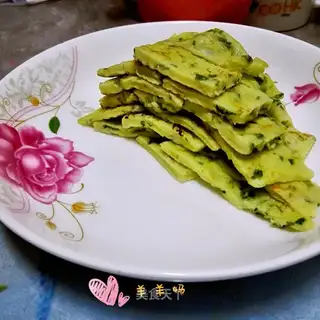
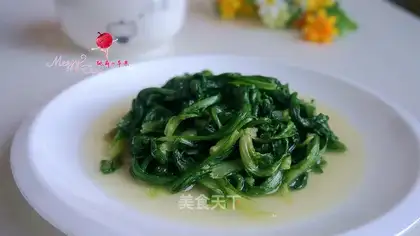
- Stir-fried: Sauté with garlic, ginger, and a splash of soy sauce for a quick and healthy side dish.
- Soups: Add to miso soup, chicken broth, or vegetable soups for added flavor and nutrients.
- Smoothies: Blend with spinach, banana, and pineapple for a nutrient-packed green smoothie.
- Steamed: Steam lightly and drizzle with sesame oil and lemon juice for a simple, elegant dish.
Conclusion
Garland chrysanthemum is a nutritional and culinary gem, offering a wealth of vitamins, minerals, antioxidants, and health benefits. From supporting immune function and bone health to reducing inflammation and promoting digestive wellness, this leafy green is a valuable addition to any diet. However, its high vitamin K and oxalate content necessitate caution for individuals on blood thinners or prone to kidney stones. By consuming it mindfully and preparing it properly, one can harness the full potential of this superfood while minimizing risks. Whether raw, cooked, or blended, garland chrysanthemum is a delicious and nutritious way to enhance overall health and well-being.