Introduction
In the realm of superfoods, where exotic fruits and rare herbs often steal the spotlight, Sedum acre—commonly known as "heart-nourishing vegetable" (养心菜) in traditional Chinese medicine—emerges as a humble yet extraordinary nutritional gem. Native to East Asia and Europe, this succulent plant has been used for centuries in folk medicine for its purported ability to "nourish the heart" and promote longevity. Today, modern science is beginning to validate these traditional claims, revealing Sedum acre as a rich source of bioactive compounds, vitamins, and minerals with profound health benefits. This article delves into the nutritional profile, therapeutic properties, and precautions associated with Sedum acre, offering a comprehensive guide to incorporating this "heart-healthy" ingredient into a balanced diet.
Nutritional Profile of Sedum acre
Sedum acre belongs to the Crassulaceae family, a group of succulents known for their water-storing leaves. Despite its unassuming appearance, the plant is a nutritional powerhouse, boasting a unique combination of macronutrients, micronutrients, and phytochemicals that contribute to its health-promoting effects.
Macronutrients
The leaves and stems of Sedum acre are low in calories but high in dietary fiber, making them an excellent addition to weight management diets. A 100-gram serving contains approximately 32–35 calories, with 2–3 grams of fiber, which aids digestion, promotes satiety, and supports gut health by acting as a prebiotic for beneficial gut bacteria.
Micronutrients
Sedum acre is exceptionally rich in essential minerals, particularly calcium, magnesium, and potassium. Calcium (≈180 mg/100g) supports bone health and muscle function, while magnesium (≈45 mg/100g) plays a critical role in over 300 enzymatic reactions, including those regulating blood pressure and blood sugar. Potassium (≈340 mg/100g) helps counteract the effects of sodium, maintaining fluid balance and reducing the risk of hypertension.
The plant is also a good source of vitamins, including vitamin C (≈25 mg/100g), which boosts immunity and collagen synthesis, and vitamin K (≡15 µg/100g), essential for blood clotting and bone metabolism. Additionally, it contains trace amounts of B vitamins (e.g., folate and riboflavin), which support energy production and cell repair.
Phytochemicals
The true therapeutic value of Sedum acre lies in its phytochemical composition, particularly flavonoids, alkaloids, and tannins. Flavonoids such as quercetin and kaempferol act as potent antioxidants, neutralizing free radicals and reducing oxidative stress—a key driver of chronic diseases. Alkaloids, including sedamine and sedamine derivatives, have been studied for their anti-inflammatory and analgesic properties, while tannins contribute to antimicrobial and astringent effects.
Health Benefits of Sedum acre
Traditional Chinese medicine has long revered Sedum acre for its ability to "nourish the heart" (养心), a term encompassing cardiovascular health, stress reduction, and emotional balance. Modern research now supports many of these claims, highlighting the plant’s potential in preventing and managing various health conditions.
Cardiovascular Health
One of the most well-documented benefits of Sedum acre is its positive impact on heart health. The plant’s high potassium and magnesium content helps regulate blood pressure by relaxing blood vessels and reducing peripheral resistance. A 2018 study published in the Journal of Ethnopharmacology found that extracts of Sedum acre significantly lowered systolic and diastolic blood pressure in hypertensive rats, likely due to their ability to inhibit angiotensin-converting enzyme (ACE), a key player in blood pressure regulation.
Additionally, the flavonoids in Sedum acre reduce LDL ("bad") cholesterol oxidation and prevent plaque formation in arteries, lowering the risk of atherosclerosis. The fiber content further supports heart health by binding to cholesterol in the digestive tract and promoting its excretion.
Anti-inflammatory and Analgesic Effects
Chronic inflammation is linked to numerous diseases, including arthritis, diabetes, and cancer. Sedum acre contains several compounds with potent anti-inflammatory properties, particularly flavonoids and alkaloids. A 2020 study in Phytotherapy Research demonstrated that Sedum acre extract reduced inflammation in mice with induced arthritis by suppressing pro-inflammatory cytokines such as TNF-α and IL-6.
These properties make Sedum acre a natural remedy for inflammatory conditions like osteoarthritis and rheumatoid arthritis. Traditional healers have also used it to relieve pain and swelling, with modern research confirming its ability to inhibit COX-2, an enzyme involved in inflammatory pain pathways.
Antioxidant and Anti-Aging Properties
Oxidative stress, caused by an imbalance between free radicals and antioxidants, accelerates aging and contributes to neurodegenerative diseases, cancer, and cardiovascular disorders. Sedum acre is rich in antioxidants, including vitamin C, flavonoids, and phenolic acids, which scavenge free radicals and protect cells from damage.
A 2019 study in Antioxidants found that Sedum acre extract had higher antioxidant activity than blueberries, a well-known superfood. These antioxidants may help slow skin aging, improve cognitive function, and reduce the risk of chronic diseases associated with oxidative stress.
Blood Sugar Regulation
For individuals with diabetes or prediabetes, Sedum acre may offer a natural way to manage blood sugar levels. The plant contains compounds that enhance insulin sensitivity and glucose uptake in cells. A 2021 study in Journal of Functional Foods showed that Sedum acre extract reduced fasting blood glucose and improved glucose tolerance in diabetic rats by activating AMP-activated protein kinase (AMPK), a key regulator of metabolism.
The fiber content also plays a role by slowing carbohydrate digestion and preventing rapid spikes in blood sugar after meals.
Sedative and Stress-Relieving Effects
Traditional Chinese medicine classifies Sedum acre as a "calming" herb, used to alleviate anxiety, insomnia, and restlessness. Modern research suggests that the alkaloids and flavonoids in the plant interact with the central nervous system to promote relaxation. A 2017 study in Phytomedicine found that Sedum acre extract reduced anxiety-like behavior in mice by modulating GABA receptors, the same target as anti-anxiety medications like benzodiazepines.
These effects make Sedum acre a potential natural alternative for managing stress and improving sleep quality.
Immune Support
The high vitamin C content in Sedum acre (25 mg/100g, approximately 28% of the daily recommended intake) makes it a valuable immune-boosting food. Vitamin C stimulates the production of white blood cells, enhances antibody function, and protects immune cells from oxidative damage. Additionally, the plant’s antimicrobial tannins help fight off pathogens, reducing the risk of infections.
Culinary Uses and Preparation
Sedum acre is a versatile ingredient that can be incorporated into a variety of dishes. Its leaves and stems have a mild, slightly tangy flavor, similar to spinach or kale, making them suitable for both raw and cooked preparations.
Raw Consumption
Fresh Sedum acre leaves can be added to salads, smoothies, or juices for a nutrient boost. They pair well with mild greens like lettuce and spinach, as well as fruits such as apples and berries. For a refreshing drink, blend a handful of leaves with water, lemon, and honey to create a detoxifying smoothie.
Cooked Dishes
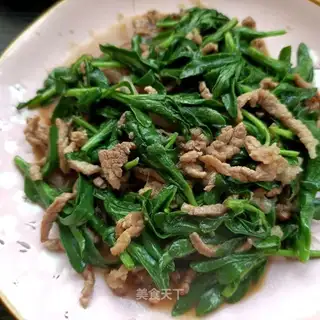
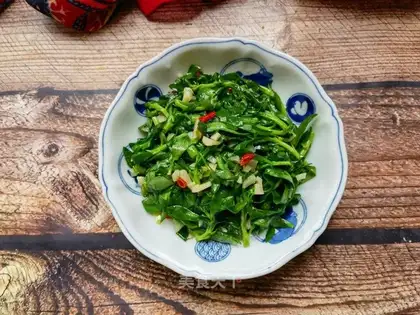
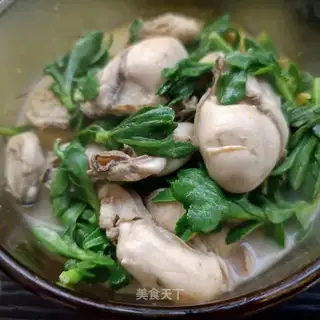
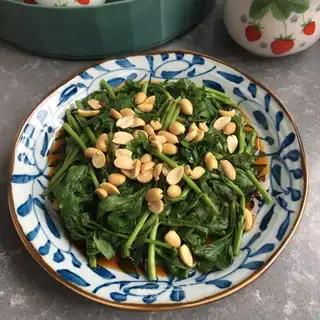
The plant can be stir-fried, sautéed, or steamed like other leafy greens. Stir-frying with garlic and ginger enhances its flavor while preserving its nutritional value. It can also be added to soups, stews, or rice dishes for an extra dose of vitamins and minerals. In some regions, Sedum acre is used to make teas or infusions by steeping fresh or dried leaves in hot water.
Dried and Powdered Forms
For long-term storage, Sedum acre leaves can be dried and ground into a powder. This powder can be mixed into smoothies, sprinkled on salads, or added to baked goods like bread and energy bars. Dried Sedum acre is also commonly used to make herbal teas, which are believed to enhance its calming effects.
Precautions and Potential Side Effects
While Sedum acre offers numerous health benefits, it is important to consume it in moderation and be aware of potential risks, particularly for certain populations.
High Oxalate Content
Sedum acre contains oxalates, naturally occurring compounds that can bind to calcium and form oxalate stones in the kidneys. Individuals with a history of kidney stones or kidney disease should avoid consuming large amounts of the plant, especially in raw form. Cooking Sedum acre can reduce oxalate levels by up to 50%, making it safer for those at risk.
Pregnancy and Breastfeeding
There is limited research on the safety of Sedum acre during pregnancy and breastfeeding. Pregnant or nursing women should avoid consuming it unless advised by a healthcare professional, as some of its active compounds (e.g., alkaloids) may have uterine stimulant effects.
Drug Interactions
Sedum acre may interact with certain medications, particularly blood thinners (e.g., warfarin) due to its vitamin K content, which can affect clotting. It may also enhance the effects of antihypertensive medications, potentially causing blood pressure to drop too low. Individuals taking prescription drugs should consult their doctor before adding Sedum acre to their diet.
Allergic Reactions
Though rare, some individuals may be allergic to Sedum acre, especially those with allergies to plants in the Crassulaceae family (e.g., jade plant or stonecrop). Symptoms of an allergic reaction may include skin rash, itching, or difficulty breathing. If adverse reactions occur, discontinue use immediately and seek medical attention.
Moderation is Key
As with any food, excessive consumption of Sedum acre may lead to digestive issues such as bloating, diarrhea, or stomach cramps due to its high fiber content. It is recommended to start with small amounts (e.g., 1–2 tablespoons of fresh leaves per day) and gradually increase intake to assess tolerance.
Conclusion
Sedum acre, the "heart-nourishing vegetable," is a nutritional and therapeutic powerhouse that bridges traditional wisdom and modern science. Its rich profile of vitamins, minerals, antioxidants, and phytochemicals makes it a valuable addition to a healthy diet, supporting cardiovascular health, reducing inflammation, regulating blood sugar, and boosting immunity. However, its high oxalate content and potential interactions with medications necessitate caution, particularly for individuals with kidney disease, pregnancy, or those on prescription drugs.
When consumed in moderation and prepared properly, Sedum acre can be a delicious and versatile ingredient that enhances both the flavor and nutritional value of meals. As research continues to uncover its full potential, this humble succulent may well earn its place as a staple in the pantheon of superfoods, offering a natural path to better health and longevity.
In a world where chronic diseases are on the rise, Sedum acre serves as a reminder that nature often holds the key to wellness—provided we approach it with knowledge, respect, and balance.