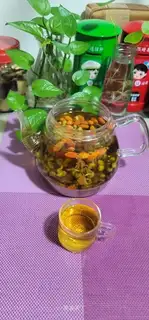
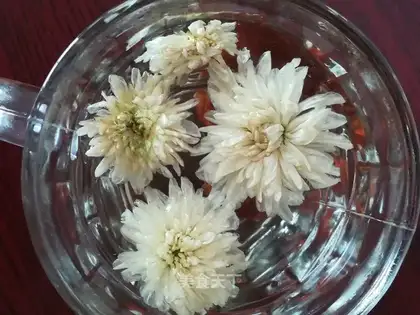
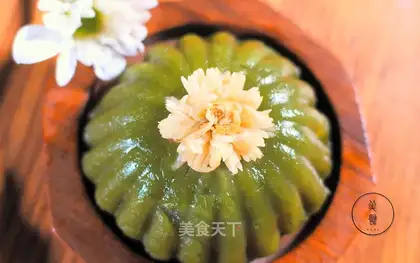
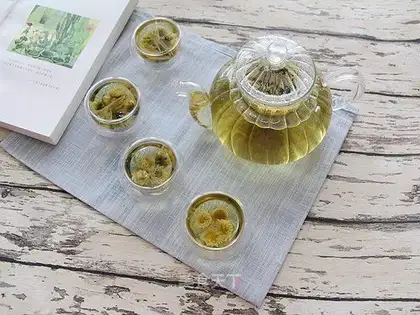
Chrysanthemum flowers, particularly Chrysanthemum morifolium var. tanju, commonly known as "胎菊" (Taiju chrysanthemum), have been a cornerstone of traditional Chinese medicine (TCM) and culinary practices for over two millennia. Revered for their delicate aroma, subtle sweetness, and vibrant golden hue, these flower buds are not merely a decorative element but a powerhouse of nutrients and bioactive compounds. Today, as global interest in natural wellness grows, Taiju chrysanthemum has gained international acclaim for its therapeutic properties. This article delves into the nutritional profile, health benefits, and important precautions associated with consuming Taiju chrysanthemum, offering a comprehensive guide for enthusiasts and health-conscious individuals alike.
Nutritional Value of Taiju Chrysanthemum
Taiju chrysanthemum stands out for its rich concentration of bioactive compounds, antioxidants, and essential nutrients that contribute to its health-promoting properties. Unlike fully bloomed chrysanthemums, Taiju refers to the unopened flower buds, which are harvested at peak maturity to preserve their nutritional potency.
1. Antioxidants: The Cornerstone of Health
The most notable feature of Taiju chrysanthemum is its high antioxidant content. It is particularly rich in flavonoids, including apigenin, luteolin, and quercetin, which combat oxidative stress by neutralizing free radicals—unstable molecules that damage cells and accelerate aging. According to a study published in the Journal of Agricultural and Food Chemistry, chrysanthemum flowers exhibit one of the highest antioxidant capacities among common edible flowers, with ORAC (Oxygen Radical Absorbance Capacity) values exceeding many fruits and vegetables.
Additionally, Taiju chrysanthemum contains chrysanthemin, a cyanidin glycoside responsible for its deep purple hue in some varieties, which has been linked to anti-inflammatory and neuroprotective effects. These antioxidants work synergistically to reduce inflammation, support cardiovascular health, and lower the risk of chronic diseases.
2. Vitamins and Minerals
While not as vitamin-dense as fruits or vegetables, Taiju chrysanthemum provides a modest yet significant profile of essential nutrients. It is a good source of vitamin A (in the form of beta-carotene), crucial for vision, immune function, and skin health. A 100-gram serving of dried Taiju chrysanthemum contains approximately 200–300 IU of vitamin A, meeting 4–6% of the daily recommended intake.
The flower buds also offer vitamin C, a powerful antioxidant that boosts collagen production and enhances iron absorption. Though levels vary by drying methods, fresh Taiju chrysanthemum can provide up to 10–15 mg of vitamin C per 100 grams, roughly 12–20% of the daily requirement.
In terms of minerals, Taiju chrysanthemum is notable for its potassium content, which regulates blood pressure and fluid balance. It also contains small amounts of calcium, magnesium, and iron, though these are less concentrated compared to leafy greens or legumes.
3. Bioactive Compounds with Therapeutic Potential
Beyond vitamins and minerals, Taiju chrysanthemum harbors unique bioactive compounds that underpin its medicinal uses. Chrysanthemum acid, a phenolic compound, exhibits diuretic properties, aiding in detoxification and kidney function. Luteolin, a flavonoid prevalent in Taiju, has been studied for its anti-anxiety and cognitive-enhancing effects, as it modulates neurotransmitter activity in the brain.
Moreover, Taiju chrysanthemum contains essential oils such as camphor, borneol, and bisabolol, which contribute to its calming aroma and antimicrobial properties. These oils are often extracted for use in aromatherapy to alleviate stress and promote relaxation.
Health Benefits of Taiju Chrysanthemum
The nutritional composition of Taiju chrysanthemum translates into a wide range of health benefits, supported by both traditional wisdom and modern scientific research.
1. Liver Protection and Detoxification
In TCM, Taiju chrysanthemum is classified as a "liver-soothing" herb, used to alleviate symptoms of liver stagnation, such as irritability, eye strain, and headaches. Modern studies validate this use: research in Hepatology Research found that chrysanthemum extract reduces liver inflammation and oxidative stress in animal models with alcohol-induced liver damage. The flavonoids in Taiju enhance the activity of antioxidant enzymes like superoxide dismutase (SOD) and glutathione peroxidase (GPx), protecting liver cells from toxin-induced injury.
2. Eye Health and Vision Support
Long revered in TCM for "brightening the eyes," Taiju chrysanthemum is now recognized for its role in preventing age-related macular degeneration (AMD) and cataracts. The lutein and zeaxanthin in Taiju—carotenoids that accumulate in the retina—filter harmful blue light and reduce oxidative damage to eye tissues. A clinical trial in Investigative Ophthalmology & Visual Science showed that daily consumption of chrysanthemum extract for 12 weeks improved visual acuity and reduced eye fatigue in participants exposed to prolonged screen time.
3. Anti-Inflammatory and Immune-Boosting Effects
Chronic inflammation is a root cause of many diseases, from arthritis to diabetes. Taiju chrysanthemum’s flavonoids and phenolic acids inhibit pro-inflammatory cytokines like TNF-α and IL-6, as demonstrated in a Journal of Ethnopharmacology study. This anti-inflammatory action makes Taiju beneficial for conditions like rheumatoid arthritis and inflammatory bowel disease (IBD). Additionally, its vitamin C content enhances immune cell function, reducing the severity and duration of colds and flu.
4. Cardiovascular Health
Taiju chrysanthemum supports heart health through multiple mechanisms. Its potassium content helps lower blood pressure by counteracting the effects of sodium. Meanwhile, apigenin and quercetin improve blood lipid profiles by reducing LDL ("bad") cholesterol and increasing HDL ("good") cholesterol. A 2020 study in Phytotherapy Research found that chrysanthemum supplementation significantly reduced systolic blood pressure in hypertensive patients, comparable to some antihypertensive medications.
5. Calming and Stress-Relieving Properties
In today’s fast-paced world, Taiju chrysanthemum’s anxiolytic effects are particularly valuable. The essential oils and luteolin in Taiju interact with GABA receptors in the brain, promoting relaxation and reducing anxiety. A study in Natural Product Communications reported that inhaling chrysanthemum aroma or consuming its tea decreased cortisol levels (the stress hormone) in participants, making it a natural alternative to prescription sedatives.
6. Skin Health and Anti-Aging
The antioxidants in Taiju chrysanthemum combat skin aging by neutralizing free radicals that degrade collagen and elastin. Vitamin C further supports skin repair by stimulating collagen synthesis. Topical formulations containing chrysanthemum extract have been shown to reduce hyperpigmentation and improve skin elasticity, as noted in a Journal of Cosmetic Dermatology study. Drinking Taiju tea also promotes hydration, which is essential for maintaining supple, youthful skin.
食用禁忌 (Precautions and Potential Side Effects)
While Taiju chrysanthemum is safe for most people when consumed in moderation, certain precautions must be observed to avoid adverse effects.
1. Allergic Reactions
Individuals with allergies to ragweed, daisies, or other plants in the Asteraceae family may experience cross-reactivity to chrysanthemum. Symptoms can include skin rashes, itching, or respiratory distress. Those with known plant allergies should start with a small amount and monitor for reactions.
2. Pregnancy and Breastfeeding
Pregnant and breastfeeding women should consult a healthcare provider before consuming Taiju chrysanthemum. While TCM uses it to alleviate pregnancy-related nausea, high doses may stimulate uterine contractions or affect hormone levels. Limited clinical data exist on its safety during lactation, so caution is advised.
3. Drug Interactions
Taiju chrysanthemum may interact with certain medications due to its bioactive compounds:
- Blood Pressure Medications: Its hypotensive effects can potentiate drugs like ACE inhibitors or diuretics, leading to low blood pressure (hypotension).
- Blood Thinners: Chrysanthemum’s vitamin K content may interfere with anticoagulants like warfarin, increasing the risk of blood clots.
- Immunosuppressants: Its immune-boosting properties may reduce the efficacy of drugs like cyclosporine.
4. Cold Constitution and Digestive Sensitivity
In TCM, Taiju chrysanthemum is considered "cooling" in nature, meaning it can exacerbate "cold" symptoms such as diarrhea, bloating, or cold hands and feet. Individuals with a "cold constitution" or weak digestion should consume it in moderation or pair it with "warming" ingredients like ginger.
5. Dosage and Quality
Excessive consumption (more than 5–10 grams of dried flowers per day) may lead to dizziness, nausea, or upset stomach. Additionally, commercially available chrysanthemum products may be contaminated with pesticides or heavy metals, so choosing organic, certified sources is crucial.
Conclusion
Taiju chrysanthemum is a remarkable natural remedy that bridges the gap between culinary delight and therapeutic efficacy. Its rich antioxidant profile, combined with vitamins, minerals, and bioactive compounds, makes it a valuable ally for liver health, vision support, inflammation reduction, and stress relief. However, like all natural products, it must be consumed mindfully, with attention to individual health conditions and potential interactions.
Whether enjoyed as a soothing tea, infused into dishes, or used in topical formulations, Taiju chrysanthemum offers a holistic approach to wellness rooted in centuries of tradition and validated by modern science. By understanding its benefits and precautions, we can harness its full potential while ensuring safe and sustainable use. As global interest in natural wellness continues to rise, Taiju chrysanthemum stands poised to take its place as a staple in health-conscious households worldwide.