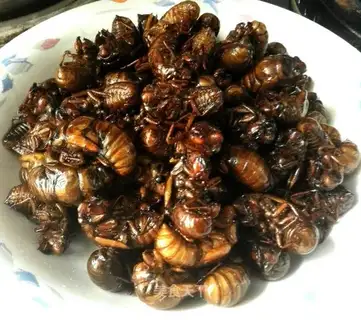
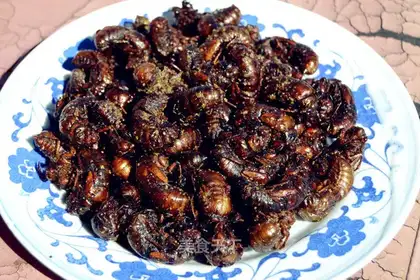
In recent years, as global interest in sustainable protein sources and exotic delicacies grows, cicada pupae—once a niche food in certain regions—have emerged as a topic of fascination and debate. These insects, harvested during their brief emergence周期 (emission cycle), have long been consumed in parts of Asia, Africa, and the Americas, but their nutritional profile, health implications, and safe consumption practices remain poorly understood by many. This article provides a detailed exploration of cicada pupae, breaking down their nutritional value, potential health benefits, and critical precautions to ensure safe and informed consumption.
Nutritional Value: A Protein-Rich Powerhouse
Cicada pupae are often hailed as a "superfood" due to their exceptional nutrient density, particularly their high protein content and rich array of micronutrients. Compared to conventional protein sources like chicken, beef, or even soy, they offer a unique combination of macronutrients and bioactive compounds that make them stand out.
Macronutrient Profile: Protein, Fats, and Carbohydrates
The most striking feature of cicada pupae is their protein content. Studies show that dry cicada pupae contain 50–70% protein by weight, significantly higher than beef (≈26%) and chicken (≈31%). This protein is "complete," meaning it provides all nine essential amino acids (histidine, isoleucine, leucine, lysine, methionine, phenylalanine, threonine, tryptophan, and valine) that the human body cannot synthesize independently. For example, lysine, crucial for tissue repair and immune function, is abundant in cicada pupae, often surpassing levels found in legumes.
Fat content in cicada pupae is relatively low (10–20% in dry weight) and primarily composed of unsaturated fatty acids, including oleic acid (a monounsaturated fat) and linoleic acid (an omega-6 polyunsaturated fat). These fats are beneficial for heart health, as they help reduce LDL ("bad") cholesterol and support cellular function. Carbohydrates, meanwhile, make up just 5–15% of dry weight, mostly in the form of fiber and simple sugars, making cicada pupae a low-glycemic food suitable for diabetic diets.
Micronutrients: Vitamins, Minerals, and Antioxidants
Cicada pupae are a potent source of micronutrients that are often lacking in modern diets. They are particularly rich in:
- Iron: A 100-gram serving of dry cicada pupae provides 15–20 mg of iron, roughly 100–150% of the daily recommended intake (DRI) for adults. Iron is essential for hemoglobin production, which transports oxygen in the blood, making cicada pupae a valuable food for preventing iron-deficiency anemia, especially in women and children.
- Zinc: With 8–12 mg per 100 grams (≈70–100% of DRI), cicada pupae outperform many plant-based sources like nuts and grains. Zinc supports immune function, wound healing, and DNA synthesis, and its bioavailability from insect protein is higher than from plant sources due to the absence of phytates (compounds that inhibit mineral absorption).
- B Vitamins: They are loaded with B vitamins, including B12 (rare in plant foods), riboflavin (B2), niacin (B3), and pantothenic acid (B5). B12 is critical for nerve function and red blood cell formation, while riboflavin and niacin play key roles in energy metabolism. For instance, a 100-gram serving may provide 50–100% of the DRI for riboflavin, which helps convert food into usable energy.
- Antioxidants: Cicada pupae contain flavonoids, carotenoids, and phenolic compounds, which combat oxidative stress caused by free radicals. These antioxidants have been linked to reduced inflammation and a lower risk of chronic diseases like heart disease and cancer. Additionally, carotenoids like lutein and zeaxanthin support eye health by protecting against age-related macular degeneration.
Sustainability: An Eco-Friendly Protein Source
Beyond nutrition, cicada pupae are environmentally sustainable. They require far less land, water, and feed than livestock: producing 1 kg of protein from cicadas uses ≈1/10 the water and 1/6 the land needed for beef. They also emit fewer greenhouse gases—cicada farming produces 1/100 the CO2 of cattle farming. As the global population grows and demand for protein rises, insects like cicada pupae are increasingly seen as a viable solution to reduce the environmental burden of agriculture.
Health Benefits: From Immune Support to Weight Management
The unique nutritional composition of cicada pupae translates to a range of health benefits, backed by traditional use and emerging scientific research.
1. Muscle Building and Tissue Repair
With their high-quality protein and amino acid profile, cicada pupae are ideal for muscle maintenance and growth. Leucine, an essential amino acid abundant in these insects, stimulates muscle protein synthesis (MPS), making them particularly beneficial for athletes, older adults (to combat sarcopenia), and individuals recovering from injury or surgery. Unlike some animal proteins, cicada pupae are low in saturated fat, reducing the risk of heart disease associated with high red meat consumption.
2. Immune System Boost
Zinc and B vitamins in cicada pupae are critical for immune function. Zinc deficiency impairs T-cell and natural killer cell activity, increasing susceptibility to infections, while B vitamins (especially B6, B12, and folate) support the production of antibodies and cytokines. Studies on insect proteins suggest that the bioactive peptides in cicada pupae may enhance macrophage activity, further strengthening the immune response.
3. Anemia Prevention and Blood Health
Iron-rich cicada pupae are a natural remedy for iron-deficiency anemia, a condition affecting billions worldwide. Unlike iron supplements, which can cause gastrointestinal side effects, the heme iron (if present) and non-heme iron in cicada pupae are easily absorbed, especially when consumed with vitamin C (e.g., alongside fruits like oranges or bell peppers). Additionally, B12 in these pupae prevents pernicious anemia, a condition caused by B12 deficiency that leads to nerve damage and fatigue.
4. Antioxidant and Anti-Inflammatory Effects
The flavonoids and carotenoids in cicada pupae neutralize free radicals, reducing oxidative stress—a key driver of aging and chronic diseases. Research on insect antioxidants indicates that these compounds may inhibit pro-inflammatory enzymes like COX-2, potentially alleviating symptoms of inflammatory conditions such as arthritis. For example, a 2020 study in Journal of Insects as Food and Feed found that cicada pupa extract reduced inflammation in mice with induced colitis, suggesting similar benefits in humans.
5. Weight Management
Low in calories and high in protein and fiber, cicada pupae promote satiety, helping to curb overeating. Protein takes longer to digest than carbohydrates, keeping you full longer, while fiber adds bulk to meals without adding calories. A 100-gram serving of cooked cicada pupae contains just 150–200 calories, making it a guilt-free addition to weight loss diets.
6. Skin and Hair Health
The protein and amino acids in cicada pupae support collagen production, a protein that maintains skin elasticity and prevents wrinkles. Biotin (vitamin B7), though present in smaller amounts, is also essential for hair growth, and the zinc in these pupae helps regulate oil production, reducing acne and promoting scalp health.
Precautions and Safety Considerations
While cicada pupae offer numerous benefits, their consumption is not without risks. Proper sourcing, preparation, and awareness of potential health hazards are critical to avoid adverse effects.
1. Allergic Reactions
Insect allergies are rare but can be severe. Proteins in cicada pupae may trigger cross-reactivity in individuals with shellfish allergies (e.g., shrimp, crab) due to similarities in tropomyosin, a muscle protein. Symptoms range from mild (hives, itching) to life-threatening (anaphylaxis). First-time consumers should start with a small amount (1–2 grams) and monitor for reactions. Those with known shellfish allergies should avoid cicada pupae altogether.
2. Contamination and Pesticide Exposure
Cicadas are environmental bioaccumulators, meaning they may absorb toxins from their surroundings. Pesticides, heavy metals (e.g., lead, cadmium), and pollutants from soil or water can accumulate in their bodies. To minimize risk:
- Source from clean environments: Avoid harvesting from urban areas, industrial sites, or agricultural lands where pesticides are used. Wild pupae from forests or organic farms are safer.
- Buy from reputable suppliers: Commercially farmed pupae are often tested for contaminants, while wild-harvested ones may lack safety checks.
3. Proper Preparation to Eliminate Parasites
Cicada pupae may harbor parasites (e.g., nematodes) or bacteria (e.g., Salmonella) if not cooked thoroughly. Raw or undercooked pupae pose a risk of foodborne illness. Safe preparation steps include:
- Cleaning: Rinse pupae under running water to remove dirt and debris.
- Cooking: Boil, roast, or fry at temperatures above 70°C (158°F) for at least 10 minutes to kill pathogens. Avoid serving raw (e.g., in salads) unless sourced from trusted, parasite-free suppliers and treated with food-grade irradiation (a rare practice).
4. Heavy Metal Toxicity
In areas with contaminated soil (e.g., near mines or highways), cicadas may accumulate heavy metals. Chronic exposure to lead or cadmium can cause kidney damage, neurological issues, and developmental problems in children. Testing for heavy metals is not feasible for home cooks, so sourcing from unpolluted regions is essential.
5. Pregnancy and Breastfeeding
While cicada pupae are nutrient-dense, pregnant and breastfeeding women should exercise caution. Limited research exists on their safety during pregnancy, and the risk of contamination (e.g., with bacteria or toxins) may pose risks to the fetus or infant. Consulting a healthcare provider before consumption is advisable.
6. Children and Elderly
Children under 5 and elderly individuals with weakened immune systems are more susceptible to foodborne illnesses and allergic reactions. If serving cicada pupae to these groups, ensure they are thoroughly cooked and sourced from the safest possible suppliers. Start with minimal portions to monitor tolerance.
Cultural and Culinary Uses
Cicada pupae are not just a nutritional powerhouse—they are also a culinary delight in many cultures. In China, they are stir-fried with garlic and chili, roasted with salt, or added to soups for their nutty, umami flavor. In the United States, some chefs have embraced cicadas as a "seasonal delicacy," incorporating them into tacos, salads, or protein bars after Brood X emerged in 2021. In parts of Africa and Latin America, they are dried and ground into flour for bread or porridge.
The key to enjoying cicada pupae lies in preparation: roasting brings out a nutty crunch, while stir-frying infuses them with spices. For beginners, mixing them with familiar ingredients (e.g., rice, noodles) can ease the transition to this novel protein source.
Conclusion: A Nutritious Future, Consumed Responsibly
Cicada pupae offer a compelling blend of high-quality protein, essential micronutrients, and environmental sustainability, making them a promising addition to global diets. Their benefits—from muscle support to immune health—are supported by both traditional use and emerging science, but their consumption must be approached with caution. By sourcing from clean environments, cooking thoroughly, and being aware of allergies and contaminants, consumers can safely harness the power of these insects.
As the world seeks solutions to food insecurity and climate change, cicada pupae represent more than just a "trendy" ingredient—they are a step toward a more sustainable, nutritious, and diverse food system. Whether enjoyed as a street snack in Bangkok, a gourmet dish in New York, or a staple in rural Africa, these humble insects have the potential to redefine the future of protein—one crunchy, nutritious bite at a time.