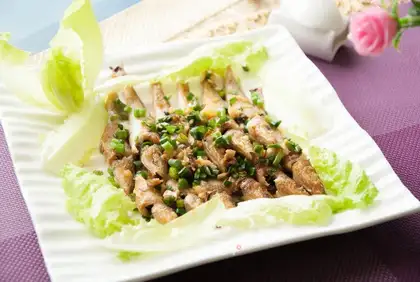
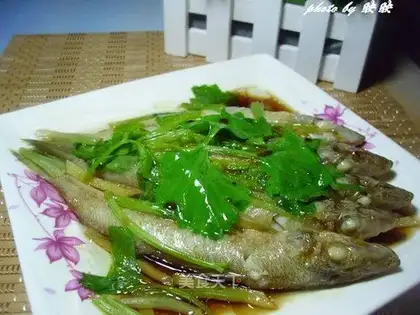
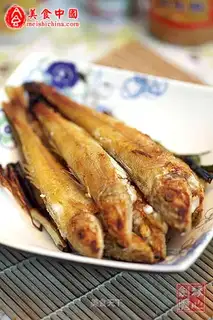
Sand lance (Ammodytes personatus), also known as sand eel or needlefish, is a small, slender fish commonly found in the coastal waters of the North Pacific, North Atlantic, and surrounding regions. Despite its modest size, this silver-skinned fish has long been valued in traditional diets for its delicate flavor and impressive nutritional profile. In recent years, as global interest in sustainable seafood and nutrient-dense foods grows, sand lance has emerged as a superfood, celebrated for its high protein content, omega-3 fatty acids, and essential micronutrients. This article explores the nutritional value, health benefits, and consumption precautions of sand lance, shedding light on why this humble fish deserves a place in a balanced diet.
I. Nutritional Value of Sand Lance
Sand lance packs a powerful nutritional punch, offering a dense concentration of macronutrients and micronutrients vital for human health. Its nutritional composition makes it an exceptional choice for individuals seeking to enhance their diet with whole, unprocessed foods.
1. High-Quality Protein
Protein is essential for muscle repair, immune function, and overall growth, and sand lance is an excellent source of this macronutrient. A 100-gram serving of cooked sand lance provides approximately 18–20 grams of protein, comparable to larger fish like salmon or tuna. What sets sand lance apart is its amino acid profile: it contains all nine essential amino acids that the human body cannot produce independently, making it a "complete protein." This is particularly beneficial for athletes, older adults, and those recovering from illness, as high-quality protein supports muscle maintenance and tissue repair.
2. Omega-3 Fatty Acids
Sand lance is one of the richest natural sources of omega-3 fatty acids, specifically eicosapentaenoic acid (EPA) and docosahexaenoic acid (DHA). These polyunsaturated fats play a critical role in reducing inflammation, supporting cardiovascular health, and promoting brain function. A 100-gram serving of sand lance can provide up to 1.5–2 grams of EPA and DHA combined—exceeding the recommended daily intake (250–500 mg) for most adults. Omega-3s are also linked to improved mood regulation, reduced risk of age-related cognitive decline, and lower triglyceride levels, making sand lance a heart- and brain-healthy food choice.
3. Micronutrients: Vitamins and Minerals
Sand lance is a treasure trove of essential vitamins and minerals, often lacking in modern diets. Key micronutrients found in this fish include:
- Vitamin D: Critical for calcium absorption, bone health, and immune function. Sand lance is one of the few dietary sources of vitamin D, with a 100-gram serving providing up to 200–300 IU (International Units), or 20–30% of the daily recommended intake.
- Vitamin B12: Essential for nerve function, DNA synthesis, and red blood cell production. A single serving of sand lance can cover over 100% of the daily B12 requirement, making it invaluable for vegetarians and vegans who may lack this nutrient in plant-based diets.
- Iron: Sand lance contains heme iron, the form most easily absorbed by the body, which is crucial for preventing iron-deficiency anemia. A 100-gram serving provides approximately 1.5–2 mg of iron, or 8–10% of the daily value for adults.
- Selenium: A powerful antioxidant that supports thyroid function and protects cells from oxidative damage. Sand lance is rich in selenium, with one serving delivering 50–60 micrograms, or over 100% of the daily recommended intake.
- Calcium and Phosphorus: These minerals work together to maintain bone density and strength. While sand lance is not as high in calcium as dairy products, its phosphorus content aids in calcium utilization, supporting skeletal health.
4. Low in Calories and Fat
Despite its nutrient density, sand lance is relatively low in calories, with a 100-gram serving containing only 100–120 calories. Its fat content is also modest (around 3–5 grams per serving), with the majority being heart-healthy unsaturated fats, including omega-3s. This makes it an ideal choice for individuals aiming to maintain a healthy weight or reduce their intake of saturated fats.
II. Health Benefits of Consuming Sand Lance
The unique nutritional composition of sand lance translates into a range of health benefits, from reducing the risk of chronic diseases to supporting overall well-being.
1. Cardiovascular Health
The omega-3 fatty acids in sand lance are well-documented for their cardioprotective effects. EPA and DHA help lower blood pressure, reduce triglyceride levels, decrease inflammation in blood vessels, and prevent the formation of blood clots. Regular consumption of sand lance has been associated with a reduced risk of heart attack, stroke, and arrhythmia. Additionally, its low saturated fat content and high levels of selenium (which supports antioxidant defense) further contribute to a healthy cardiovascular system.
2. Brain and Cognitive Function
Omega-3s, particularly DHA, are structural components of the brain and retina. Adequate intake of DHA is linked to improved memory, focus, and overall cognitive performance. Studies suggest that diets rich in omega-3 fatty acids may reduce the risk of neurodegenerative diseases such as Alzheimer’s and Parkinson’s. For children, DHA is essential for brain development during pregnancy and early childhood, making sand lance a beneficial food for expectant mothers and infants (when prepared safely).
3. Immune System Support
Sand lance’s high vitamin D and selenium content plays a key role in immune regulation. Vitamin D enhances the pathogen-fighting effects of monocytes and macrophages—white blood cells that are critical to immune defense—while selenium supports the production of antioxidants that protect immune cells from damage. Regular consumption of sand lance may help reduce the severity and duration of infections, such as the common cold.
4. Bone and Joint Health
The combination of vitamin D, calcium, phosphorus, and omega-3s in sand lance makes it a boon for bone health. Vitamin D facilitates calcium absorption, while phosphorus works with calcium to maintain bone mineral density. Omega-3s, on the other hand, have anti-inflammatory properties that may alleviate symptoms of arthritis and reduce joint pain. For older adults, who are at a higher risk of osteoporosis, incorporating sand lance into the diet can help preserve bone strength.
5. Weight Management
Sand lance’s high protein and low calorie content make it an excellent food for weight management. Protein promotes satiety, reducing hunger and cravings, and helps preserve lean muscle mass during weight loss. Additionally, its low glycemic index ensures minimal impact on blood sugar levels, making it suitable for individuals with diabetes or insulin resistance.
III. Precautions and Consumption Guidelines
While sand lance offers numerous health benefits, there are important precautions to consider to ensure safe and enjoyable consumption.
1. Mercury and Contaminant Levels
As a small, short-lived fish, sand lance generally has lower mercury levels compared to larger, long-lived predators like shark or swordfish. Mercury accumulates in fish through bioaccumulation, and smaller species are less likely to pose significant health risks. However, individuals who consume fish frequently—especially pregnant women, nursing mothers, and young children—should opt for sand lance from clean, unpolluted waters. Choosing sustainably sourced sand lance (e.g., certified by the Marine Stewardship Council) can minimize exposure to environmental contaminants such as PCBs (polychlorinated biphenyls) and dioxins.
2. Allergies
Fish allergies are among the most common food allergies, and sand lance is no exception. Individuals with a known fish allergy should avoid consuming sand lance entirely. Symptoms of a fish allergy range from mild (hives, itching) to severe (anaphylaxis, difficulty breathing). Those with a history of fish allergies should consult a healthcare provider before introducing sand lance into their diet.
3. Proper Preparation and Cooking
To ensure food safety, sand lance should be fresh and handled properly. When purchasing whole sand lance, look for clear eyes, shiny skin, and a fresh, mild odor—avoid fish with dull eyes, discolored skin, or a strong fishy smell. Before cooking, clean the fish thoroughly, removing scales,内脏 (viscera), and gills. Cooking methods such as grilling, baking, or steaming are recommended, as they preserve nutrients without adding unhealthy fats. Avoid deep-frying, which can increase the calorie content and destroy heat-sensitive vitamins like B12.
4. Sustainable Sourcing
Overfishing can disrupt marine ecosystems, so it is important to choose sand lance from sustainable sources. Look for certifications such as the Marine Stewardship Council (MSC) or check local fishing regulations to ensure that the fish is harvested responsibly. In some regions, sand lance is caught as bycatch, so purchasing from suppliers who prioritize sustainable fishing practices can help reduce environmental impact.
5. Moderation in Consumption
While sand lance is nutritious, moderation is key. A balanced diet should include a variety of protein sources, and sand lance can be part of this diversity. For most adults, consuming 2–3 servings of fish per week (including sand lance) is recommended to reap the benefits without exceeding safe limits for contaminants.
IV. Culinary Uses and Preparation Tips
Sand lance’s mild, slightly sweet flavor and tender flesh make it a versatile ingredient in the kitchen. Here are some popular ways to prepare this nutrient-rich fish:
- Grilled or Baked: Marinate sand lance in olive oil, lemon juice, and herbs (such as dill or parsley) before grilling or baking. This method enhances its natural flavor while preserving omega-3s.
- Steamed: Steaming sand lance with ginger and soy sauce is a simple, healthy way to enjoy its delicate taste. Steaming retains moisture and nutrients, making it ideal for those who prefer lighter meals.
- Soups and Stews: Sand lance can be added to miso soup, fish stews, or broths to boost protein and omega-3 content. Its small size allows it to cook quickly, infusing the dish with umami flavor.
- Dried or Fermented: In some cultures, sand lance is dried or fermented to create preserved snacks, such as oshihikiji in Japan. These products are rich in protein and umami but should be consumed in moderation due to their high sodium content.
Conclusion
Sand lance may be small in size, but its nutritional and health benefits are anything but. From its high-quality protein and omega-3 fatty acids to its abundance of vitamins and minerals, this fish is a nutritional powerhouse that supports cardiovascular, brain, and immune health. When consumed responsibly—with attention to sourcing, preparation, and moderation—sand lance can be a valuable addition to a balanced diet. As global awareness of sustainable and nutrient-dense foods grows, sand lance is poised to become a staple for health-conscious individuals and culinary enthusiasts alike. By embracing this humble fish, we not only nourish our bodies but also support sustainable fishing practices that protect our oceans for future generations.