Introduction
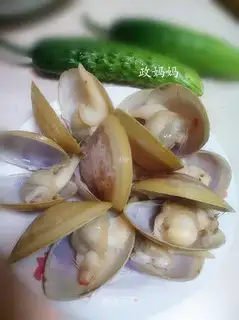
In the vast tapestry of global culinary ingredients, few delicacies carry both cultural significance and nutritional potency like the Coelomactra antiquata, commonly known as "Xi Shi Tong" (西施舌) in Chinese. Named after the legendary beauty Xi Shi of the Spring and Autumn Period, this bivalve mollusk—aptly described as "tongue-shaped" with a smooth, ivory-white flesh—has been prized for centuries in East Asian cuisine for its delicate flavor and purported health benefits. Beyond its culinary allure, Xi Shi Tong is a nutritional powerhouse, rich in protein, vitamins, and minerals, while traditional and modern medicine alike attribute various therapeutic properties to it. However, as with many seafood delicacies, responsible consumption is key to maximizing benefits and minimizing risks. This article explores the nutritional profile, health benefits, and precautions associated with Xi Shi Tong, offering a comprehensive guide to this treasured ingredient.
Nutritional Profile of Xi Shi Tong
Xi Shi Tong belongs to the family Mactridae, thriving in shallow coastal waters of the Western Pacific, particularly along the coasts of China, Japan, and Korea. Its nutritional composition is a testament to its status as a "superfood," combining high-quality protein, essential micronutrients, and bioactive compounds that support overall health.
1. High-Quality Protein
Protein is the building block of life, and Xi Shi Tong excels in this regard. A 100-gram serving of raw Xi Shi Tong provides approximately 15–18 grams of protein, comprising all essential amino acids (lysine, methionine, leucine, etc.) that the human body cannot synthesize independently. This makes it an excellent dietary choice for muscle repair, immune function, and tissue growth. For athletes, older adults, or individuals recovering from illness, its protein bioavailability—aided by the absence of connective tissues—surpasses that of many land-based proteins.
2. Essential Minerals
Xi Shi Tong is a rich source of minerals critical for physiological processes:
- Iron: Each 100-gram serving contains about 1.5–2.0 mg of iron, a mineral vital for hemoglobin production and oxygen transport. The heme iron in seafood is more easily absorbed than non-heme iron from plants, making Xi Shi Tong a valuable ally in preventing iron-deficiency anemia, especially for women and children.
- Zinc: With 2–3 mg per 100 grams, Xi Shi Tong supports immune function, wound healing, and DNA synthesis. Zinc deficiency is linked to weakened immunity and delayed growth, making this mineral a key component of a balanced diet.
- Selenium: A potent antioxidant, selenium (20–30 µg per 100 grams) protects cells from oxidative damage, supports thyroid health, and enhances immune response. Regular consumption may reduce the risk of chronic diseases, including cardiovascular disorders and certain cancers.
- Magnesium and Phosphorus: These minerals are essential for bone health, nerve function, and energy metabolism. Xi Shi Tong provides 30–40 mg of magnesium and 100–150 mg of phosphorus per 100 grams, contributing to strong bones and efficient cellular activity.
3. Vitamins
The vitamin content of Xi Shi Tong further enhances its nutritional value:
- Vitamin B12: Crucial for nerve function and red blood cell formation, vitamin B12 is abundant in Xi Shi Tong (1.5–2.0 µg per 100 grams). This is particularly important for vegetarians and vegans, who often lack B12 in plant-based diets.
- Vitamin A and E: These fat-soluble vitamins act as antioxidants, protecting cells from free radical damage. Vitamin A supports vision and immune health, while vitamin E promotes skin integrity and reduces inflammation.
- B Vitamins (Niacin, Riboflavin, Folate): Xi Shi Tong contains moderate amounts of B vitamins that aid energy metabolism, nervous system function, and DNA synthesis. Folate (10–15 µg per 100 grams) is especially vital during pregnancy for preventing neural tube defects.
4. Low Fat and Rich in Omega-3 Fatty Acids
Xi Shi Tong is remarkably low in fat (1–2 grams per 100 grams), with a significant portion being unsaturated fatty acids, including omega-3s (EPA and DHA). Omega-3s are renowned for their anti-inflammatory properties, supporting heart health by reducing triglyceride levels, lowering blood pressure, and preventing plaque formation in arteries. They also support brain health, improving cognitive function and reducing the risk of depression.
Health Benefits of Xi Shi Tong
The synergy of nutrients in Xi Shi Tong translates into a range of health benefits, validated by both traditional Chinese medicine (TCM) and modern scientific research.
1. Enhances Immune Function
The high protein, zinc, selenium, and vitamin content in Xi Shi Tong strengthens the immune system. Zinc and selenium are critical for the development and function of immune cells, such as T-cells and neutrophils, while vitamin B12 supports antibody production. Regular consumption may reduce the frequency of infections and enhance the body’s ability to fight pathogens.
2. Promotes Cardiovascular Health
Omega-3 fatty acids, potassium, and magnesium in Xi Shi Tong collectively support heart health. Omega-3s reduce inflammation and triglyceride levels, potassium regulates blood pressure by balancing sodium levels, and magnesium maintains a steady heartbeat. Studies suggest that populations with high seafood intake, including those consuming bivalves like Xi Shi Tong, have lower rates of coronary artery disease and stroke.
3. Supports Brain and Nervous System Health
The brain is rich in omega-3 fatty acids, and DHA (a type of omega-3) is a major structural component of brain tissue. Xi Shi Tong’s DHA content supports cognitive function, memory, and learning, while vitamin B12 prevents nerve damage and may reduce the risk of neurodegenerative diseases like Alzheimer’s. Additionally, zinc and selenium protect brain cells from oxidative stress, which is linked to aging and cognitive decline.
4. Aids in Detoxification and Liver Health
In TCM, Xi Shi Tong is considered "cooling" and is used to "clear heat" and "detoxify" the body. Modern research supports this to some extent: the amino acids in Xi Shi Tong, particularly glycine and glutathione, support liver function by aiding in the detoxification of harmful substances. The liver relies on these compounds to metabolize toxins, and regular consumption may enhance its efficiency.
5. Boosts Energy and Combats Fatigue
The B vitamins, iron, and protein in Xi Shi Tong play a key role in energy metabolism. B vitamins help convert food into energy, iron ensures oxygen delivery to muscles (reducing fatigue), and protein supports tissue repair and growth. Individuals with active lifestyles or those suffering from chronic fatigue may benefit from incorporating Xi Shi Tong into their diets.
6. Supports Reproductive Health
Zinc, selenium, and folate are essential for reproductive health. Zinc is critical for sperm production and hormone regulation in men, while folate supports fetal development in women. Omega-3 fatty acids also play a role in reproductive health by reducing inflammation and improving blood flow to reproductive organs.
Precautions and Potential Risks
While Xi Shi Tong offers numerous health benefits, improper consumption can lead to adverse effects. Awareness of these risks ensures safe and enjoyable consumption.
1. Allergic Reactions
Shellfish allergies are among the most common food allergies, and Xi Shi Tong is no exception. Allergic reactions can range from mild (hives, itching) to severe (anaphylaxis, difficulty breathing). Individuals with known shellfish allergies should avoid Xi Shi Tong entirely. First-time consumers should start with a small portion to check for sensitivity.
2. Heavy Metal Contamination
As filter-feeding bivalves, Xi Shi Tong can accumulate heavy metals (such as mercury, lead, and cadmium) from contaminated water. Overconsumption may lead to heavy metal toxicity, causing neurological damage, kidney problems, and developmental issues in children. To minimize risk, purchase Xi Shi Tong from reputable suppliers, ensure it is sourced from clean waters, and limit consumption to 2–3 times per week.
3. Bacterial and Parasitic Infections
Raw or undercooked Xi Shi Tong may harbor harmful bacteria (e.g., Vibrio spp.) or parasites (e.g., Giardia), which can cause food poisoning symptoms like diarrhea, vomiting, and abdominal cramps. Pregnant women, young children, the elderly, and immunocompromised individuals should avoid raw Xi Shi Tong. Always cook it thoroughly: steaming, boiling, or grilling until the flesh is opaque (internal temperature reaches 63°C/145°F) ensures safety.
4. High Purine Content
Xi Shi Tong is moderately high in purines, compounds that break down into uric acid. Excessive uric acid can lead to gout or exacerbate symptoms in individuals with pre-existing gout. Those with gout or kidney problems should consume Xi Shi Tong in moderation or avoid it altogether.
5. Interaction with Medications
Xi Shi Tong’s high vitamin K content may interact with blood-thinning medications (e.g., warfarin), as vitamin K promotes blood clotting. Individuals taking such medications should consult their doctor before increasing Xi Shi Tong intake, as sudden dietary changes can affect medication efficacy.
Culinary Uses and Sustainable Consumption
Xi Shi Tong’s delicate flavor and tender texture make it a versatile ingredient in culinary arts. In Chinese cuisine, it is often steamed with ginger and scallions, stir-fried with vegetables, or added to soups and congee. Its mild taste allows it to absorb flavors easily, making it suitable for both simple and elaborate dishes. To preserve its nutritional value, minimal cooking methods (steaming, poaching) are preferred over deep-frying.
Sustainability is another critical consideration. Overharvesting of wild Xi Shi Tong has led to declining populations in some regions. Consumers should choose farmed Xi Shi Tong or products certified by sustainable seafood organizations (e.g., the Marine Stewardship Council). Additionally, supporting local and seasonal suppliers reduces the carbon footprint associated with transportation.
Conclusion
Xi Shi Tong is more than a culinary delicacy—it is a nutritional powerhouse that supports immune, cardiovascular, brain, and reproductive health. Its rich profile of protein, omega-3s, vitamins, and minerals makes it a valuable addition to a balanced diet. However, responsible consumption—accounting for allergies, contamination risks, and health conditions—is essential to reap its benefits safely. By appreciating both its cultural heritage and scientific value, we can enjoy Xi Shi Tong as a sustainable and healthful ingredient for years to come. Whether steamed, stir-fried, or added to a nourishing soup, this "tongue of beauty" continues to delight palates and nourish bodies, embodying the perfect harmony of taste and wellness.