Introduction
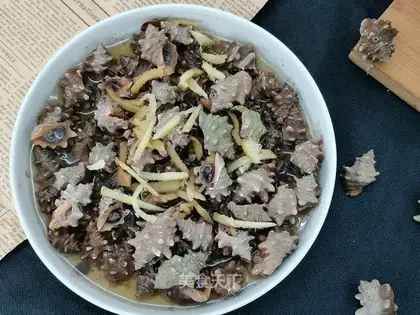
Whelk, commonly known as "yellow螺" (huáng luó) in Chinese, is a type of sea snail belonging to the family Buccinidae. Prized for its tender, flavorful meat and distinct yellowish hue, this marine delicacy has been a staple in coastal cuisines for centuries, particularly in East Asia, Europe, and North America. Beyond its culinary appeal, whelk is increasingly recognized as a nutritional powerhouse, offering a rich profile of protein, vitamins, minerals, and bioactive compounds. However, like many seafood varieties, it comes with specific consumption considerations. This article explores the nutritional value, health benefits, potential risks, and precautions associated with whelk, providing a comprehensive guide for seafood enthusiasts and health-conscious individuals alike.
Nutritional Value of Whelk
Whelk is a low-calorie, nutrient-dense food, making it an excellent addition to a balanced diet. Its nutritional composition is marked by high-quality protein, essential amino acids, and a wealth of micronutrients, all while being relatively low in fat.
1. High-Quality Protein
Protein is essential for muscle repair, immune function, and overall growth, and whelk is an exceptional source. A 100-gram serving of cooked whelk provides approximately 20–25 grams of protein, rivaling that of lean meats like chicken or fish. Unlike some plant-based proteins, whelk contains all nine essential amino acids (histidine, isoleucine, leucine, lysine, methionine, phenylalanine, threonine, tryptophan, and valine), making it a "complete protein" crucial for human health.
2. Essential Minerals
Whelk is particularly rich in minerals that play vital roles in physiological processes:
- Iron: Whelk contains heme iron, the form most easily absorbed by the body. A 100-gram serving provides around 3–5 milligrams of iron, meeting 15–25% of the daily recommended intake for adults. Iron is critical for hemoglobin production, which transports oxygen throughout the body, and deficiency can lead to anemia.
- Zinc: With 2–3 milligrams per 100 grams, whelk is a good source of zinc, a mineral essential for immune function, wound healing, and DNA synthesis. Zinc also supports reproductive health and acts as an antioxidant, protecting cells from oxidative damage.
- Selenium: This trace mineral is abundant in whelk, with 100 grams providing 30–50 micrograms (over 50% of the daily requirement). Selenium is a key component of antioxidant enzymes like glutathione peroxidase, which neutralizes free radicals and reduces inflammation. It also supports thyroid function and may lower the risk of chronic diseases.
- Calcium and Phosphorus: Whelk contributes to bone health, providing 50–100 milligrams of calcium and 100–150 milligrams of phosphorus per 100 grams. These minerals work together to maintain bone density and structure, reducing the risk of osteoporosis.
3. Vitamins
Whelk is a notable source of several vitamins, particularly B vitamins and fat-soluble vitamins:
- Vitamin B12: Essential for nerve function and red blood cell formation, vitamin B12 is found abundantly in whelk (2–3 micrograms per 100 grams), covering 100% of the daily recommended intake. Deficiency in B12 can lead to neurological disorders and anemia.
- Vitamin A and E: Whelk contains small amounts of vitamin A (important for vision and immune health) and vitamin E (a potent antioxidant that protects cell membranes from damage).
- Vitamin B6 and Niacin: These B vitamins support metabolism, energy production, and brain health. A 100-gram serving of whelk provides 10–15% of the daily recommended intake for both.
4. Low in Fat and Calories
Whelk is exceptionally lean, with only 1–2 grams of fat per 100 grams, most of which is unsaturated fat (including heart-healthy omega-3 fatty acids like EPA and DHA). Its low calorie content (around 100–120 calories per 100 grams) makes it an ideal choice for weight management. Omega-3 fatty acids in whelk also offer anti-inflammatory benefits, supporting cardiovascular and cognitive health.
Health Benefits of Whelk
The unique nutritional profile of whelk translates to a range of health benefits, from boosting immunity to supporting heart and brain health.
1. Enhances Immune Function
Whelk’s high zinc and selenium content is a boon for the immune system. Zinc stimulates the production of immune cells (such as T-cells and natural killer cells), while selenium enhances the activity of antioxidant enzymes that protect immune cells from oxidative stress. Additionally, vitamin B12 in whelk supports the production of white blood cells, which defend the body against infections. Regular consumption may reduce the frequency and severity of illnesses like colds and flu.
2. Supports Heart Health
The omega-3 fatty acids (EPA and DHA) in whelk contribute to cardiovascular health by reducing triglyceride levels, lowering blood pressure, and preventing the formation of blood clots. These fatty acids also decrease inflammation in blood vessels, reducing the risk of atherosclerosis (hardening of the arteries). Moreover, whelk’s low saturated fat content and high protein make it a heart-healthy alternative to red meat, which is linked to higher rates of heart disease.
3. Promotes Muscle Growth and Repair
As a complete protein source, whelk is particularly beneficial for athletes, older adults, and individuals recovering from illness or injury. The branched-chain amino acids (BCAAs) leucine, isoleucine, and valine in whelk stimulate muscle protein synthesis, helping to build and maintain muscle mass. This is especially important for older adults, who are at risk of sarcopenia (age-related muscle loss), and for athletes seeking to enhance performance and recovery.
4. Boosts Brain Health and Cognitive Function
The omega-3 fatty acids and vitamin B12 in whelk are critical for brain health. DHA, a major component of omega-3s, is a structural component of brain cell membranes and supports neurodevelopment and cognitive function. Studies suggest that adequate DHA intake may improve memory, focus, and learning, while reducing the risk of age-related cognitive decline and neurodegenerative diseases like Alzheimer’s. Vitamin B12, meanwhile, protects the myelin sheath that covers nerve fibers, ensuring efficient signal transmission between brain cells.
5. Supports Bone Health
Whelk’s calcium, phosphorus, and magnesium content make it valuable for maintaining strong bones and teeth. Calcium is the primary mineral in bone tissue, while phosphorus works with calcium to form hydroxyapatite, the compound that gives bones their strength. Magnesium, though present in smaller amounts, supports calcium absorption and bone mineralization. Regular consumption of whelk, especially in conjunction with vitamin D (which enhances calcium absorption), may reduce the risk of osteoporosis and fractures.
6. Aids in Weight Management
Whelk’s low calorie, high protein, and high fiber content (when consumed with its digestive tract, though typically not in culinary preparations) make it an excellent food for weight loss and maintenance. Protein increases satiety, reducing hunger and overall calorie intake, while the low fat content minimizes excess energy storage. Studies show that high-protein diets can boost metabolism and promote fat loss, making whelk a smart choice for those looking to manage their weight.
Potential Risks and Precautions
While whelk offers numerous health benefits, it is important to consume it in moderation and with awareness of potential risks, particularly for certain populations.
1. Heavy Metal Contamination
Like many seafood species, whelk may accumulate heavy metals such as mercury, cadmium, and lead from polluted marine environments. Mercury, in particular, is a neurotoxin that can impair nervous system development in fetuses and young children, causing cognitive and motor deficits. To minimize risk:
- Choose whelk from reputable sources, such as certified sustainable fisheries or clean, unpolluted waters.
- Limit consumption to 2–3 times per week, especially for pregnant women, nursing mothers, and young children.
- Avoid consuming whelk organs (such as the liver and digestive gland), where heavy metals tend to concentrate.
2. Allergic Reactions
Shellfish allergies are among the most common food allergies, affecting approximately 2–3% of adults. Whelk, being a mollusk, contains proteins (such as tropomyosin) that can trigger allergic reactions in sensitive individuals. Symptoms may range from mild (hives, itching, stomach cramps) to severe (anaphylaxis, difficulty breathing, and shock). People with known shellfish allergies should avoid whelk entirely and carry an epinephrine auto-injector if accidental exposure occurs.
3. High Cholesterol (Myth vs. Reality)
Whelk contains moderate amounts of cholesterol (around 50–70 milligrams per 100 grams), but dietary cholesterol has a minimal impact on blood cholesterol levels for most people. The body regulates its own cholesterol production, and for the majority of individuals, foods high in saturated fat (rather than cholesterol) are the primary driver of elevated blood cholesterol. However, people with hypercholesterolemia (high cholesterol) or those following a cholesterol-lowering diet should consult a healthcare provider before consuming whelk regularly.
4. Parasitic Infections
Raw or undercooked whelk may harbor parasites such as Anisakis, which can cause gastrointestinal illness (symptoms include nausea, vomiting, and abdominal pain). To eliminate this risk:
- Always cook whelk thoroughly: boil, steam, or fry until the meat is opaque and firm (internal temperature reaches 63°C/145°F).
- Avoid consuming raw whelk dishes (such as sushi or ceviche) unless from a trusted source that follows strict safety protocols.
5. Sodium Content
Canned or preserved whelk often contains high levels of sodium as a preservative, which can contribute to high blood pressure and cardiovascular disease in sensitive individuals. Opt for fresh or frozen whelk when possible, and if consuming canned varieties, rinse the meat under water to reduce sodium content.
6. Pregnancy and Breastfeeding
While whelk’s high protein and iron content can benefit pregnant women, the risk of heavy metal contamination and bacterial infections (from raw or undercooked whelk) makes it a food to consume with caution. Pregnant and breastfeeding women should:
- Choose fresh, low-mercury whelk from clean waters.
- Ensure it is cooked thoroughly to eliminate parasites and bacteria.
- Limit intake to 1–2 times per week, as recommended by healthcare providers.
Culinary Uses and Preparation Tips
Whelk’s mild, slightly sweet flavor and firm texture make it a versatile ingredient in various cuisines. Here are some popular ways to prepare it:
1. Boiled or Steamed
Boiling or steaming is the simplest way to prepare whelk, preserving its natural flavor and nutrients. After cooking, the meat can be removed from the shell and used in salads, pasta dishes, or soups. For added flavor, boil whelk in a mixture of water, salt, ginger, and garlic.
2. Grilled or Roasted
Grilling or roasting whelk with herbs, olive oil, and lemon juice enhances its flavor while keeping it healthy. This method is popular in Mediterranean and Asian cuisines, where whelk is often served as an appetizer or main course.
3. Stir-Fried
In Chinese and Southeast Asian cuisines, stir-fried whelk with vegetables, garlic, and soy sauce is a common dish. The meat is typically sliced or diced and cooked quickly over high heat to maintain its tenderness.
4. In Soups or Stews
Whelk adds a rich, savory flavor to soups and stews, such as the Korean haemul-tang (seafood stew) or the French bouillabaisse. Its firm texture holds up well during prolonged cooking, making it ideal for hearty dishes.
5. Pickled or Canned
Pickled whelk is a popular snack in some regions, particularly in Europe and East Asia. However, as mentioned earlier, canned varieties may be high in sodium, so moderation is key.
Conclusion
Whelk is a nutritional treasure trove, offering high-quality protein, essential vitamins and minerals, and beneficial omega-3 fatty acids. Its health benefits—from boosting immunity and supporting heart health to aiding muscle growth and cognitive function—make it a valuable addition to a balanced diet. However, potential risks such as heavy metal contamination, allergic reactions, and parasitic infections necessitate careful sourcing, thorough cooking, and moderation, especially for vulnerable populations like pregnant women and children.
When prepared and consumed responsibly, whelk can be both a delicious and nutritious choice, bridging the gap between culinary enjoyment and wellness. As with any food, knowledge and mindfulness are key to unlocking its benefits while minimizing risks. So, the next time you encounter this humble sea snail on a menu or at the market, consider it not just as a delicacy, but as a powerhouse of nutrition waiting to nourish your body.