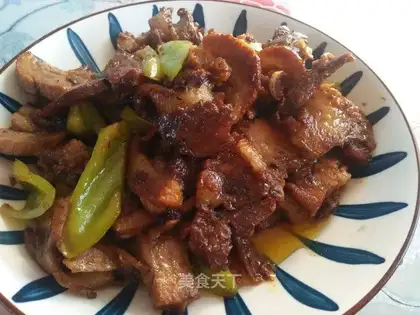
Pig’s head meat, a traditional delicacy in many cultures, has long been celebrated for its rich flavor and versatility in culinary arts. Often used to make dishes like braised pig’s head, head cheese, or soups, it is not only a source of culinary satisfaction but also a nutrient-dense food. However, like offal and other cuts of pork, it carries both nutritional advantages and potential risks when consumed improperly. This article explores the nutritional profile of pig’s head meat, its health benefits, and important precautions to ensure safe and enjoyable consumption.
Nutritional Value of Pig’s Head Meat
Pig’s head meat is a rich source of macronutrients, vitamins, and minerals, though its nutritional composition varies depending on the cut (e.g., cheek, tongue, ear, or brain) and preparation method. A 100-gram serving of cooked pig’s head meat typically contains:
1. High-Quality Protein
Protein is essential for muscle repair, immune function, and overall growth. Pig’s head meat provides approximately 20–25 grams of protein per 100 grams, with a complete amino acid profile including all nine essential amino acids (lysine, methionine, leucine, etc.). This makes it comparable to other lean cuts of pork, though its fat content is slightly higher due to the proximity to the head’s fatty tissues.
2. Vitamins
- B Vitamins: Pig’s head meat is particularly rich in B vitamins, which play a critical role in energy metabolism, nervous system function, and red blood cell formation. Notably, it contains high levels of:
- Vitamin B1 (Thiamine): Important for carbohydrate metabolism and nerve health.
- Vitamin B12 (Cobalamin): Essential for DNA synthesis and nerve cell maintenance, often lacking in plant-based diets.
- Niacin (B3): Supports skin health, digestion, and energy production.
- Vitamin D: Small amounts may be present, especially in meat from pasture-raised pigs, though this is not a primary source.
3. Minerals
- Iron: Pig’s head meat provides heme iron, which is more easily absorbed by the body than non-heme iron (found in plants). A 100-gram serving may contain 1.5–2.5 mg of iron, contributing to the prevention of anemia.
- Zinc: Essential for immune function, wound healing, and DNA synthesis, with approximately 3–4 mg per 100 grams.
- Phosphorus: Supports bone health and cellular energy production, with around 200–250 mg per serving.
- Selenium: A powerful antioxidant that protects cells from damage, with levels varying based on the pig’s diet.
4. Fat Profile
While pig’s head meat is higher in fat than lean cuts (e.g., loin), its fat content is primarily composed of monounsaturated and saturated fats, with smaller amounts of polyunsaturated fats. The cheeks and ears contain more collagen, which breaks down into gelatin during slow cooking, adding moisture and nutritional value (e.g., supporting joint health).
5. Collagen and Gelatin
Slow cooking pig’s head meat extracts collagen, which converts to gelatin—a protein that supports gut health, joint mobility, and skin elasticity. This makes dishes like head cheese or braised pig’s head particularly beneficial for individuals seeking collagen-rich foods.
Health Benefits of Pig’s Head Meat
When consumed in moderation and as part of a balanced diet, pig’s head meat offers several health benefits:
1. Supports Muscle Maintenance and Repair
The high-quality protein in pig’s head meat aids in muscle synthesis, making it a valuable food for athletes, older adults, or those recovering from illness. Its amino acid profile promotes satiety, helping with weight management by reducing overeating.
2. Boosts Energy and Metabolism
B vitamins, especially B1, B2, and B12, are crucial for converting food into energy. For example, vitamin B12 helps prevent fatigue and neurological issues, particularly in individuals with deficiencies (e.g., vegetarians or those with absorption problems).
3. Enhances Immune Function
Zinc and selenium in pig’s head meat strengthen the immune system. Zinc supports the development of immune cells, while selenium acts as an antioxidant, reducing inflammation and protecting against infections.
4. Promotes Skin and Joint Health
The gelatin derived from collagen-rich tissues (e.g., ears, skin, and cartilage) supports skin elasticity and may reduce joint pain. Some studies suggest gelatin can improve hydration and reduce wrinkles, though more research is needed on its long-term effects.
5. Prevents Anemia
Heme iron in pig’s head meat is highly bioavailable, making it an effective food for individuals with iron deficiency anemia. Pairing it with vitamin C-rich foods (e.g., bell peppers or citrus) can further enhance iron absorption.
Precautions and Potential Risks
While pig’s head meat offers nutritional benefits, it also contains components that require caution, particularly for certain populations.
1. High Saturated Fat and Cholesterol
Pig’s head meat is rich in saturated fat (around 5–8 grams per 100 grams) and cholesterol (50–70 mg per 100 grams). Excessive intake of saturated fat can raise LDL (“bad”) cholesterol levels, increasing the risk of heart disease and stroke. Individuals with hypercholesterolemia, cardiovascular issues, or a family history of heart disease should limit consumption to 1–2 times per month.
2. Sodium Content
Processed pig’s head products (e.g., cured meats, head cheese) often contain high levels of sodium to preserve flavor and texture. A 100-gram serving of cured pig’s head meat may have 1,000–1,500 mg of sodium, exceeding the American Heart Association’s recommendation of <2,300 mg per day. High sodium intake can contribute to hypertension and kidney strain.
3. Risk of Foodborne Illness
Pig’s head meat, like all pork, must be cooked thoroughly to kill harmful bacteria such as Salmonella, E. coli, and Yersinia. Undercooked meat, especially the brain or tongue, may also transmit parasites like Trichinella. The U.S. Department of Agriculture (USDA) recommends cooking pork to an internal temperature of 145°F (63°C) with a 3-minute rest.
4. Purine Content
Pig’s head meat is high in purines, which break down into uric acid in the body. Individuals with gout or kidney problems should avoid excessive intake, as high uric acid levels can trigger gout attacks or worsen kidney function.
5. Brain Consumption
The pig’s brain is a delicacy in some cuisines but is extremely high in cholesterol (around 2,000 mg per 100 grams) and may contain heavy metals (e.g., lead or cadmium) if the pig was exposed to environmental toxins. Due to these risks, the brain is often omitted from modern recipes, and health authorities advise against frequent consumption.
6. Allergies and Intolerances
While rare, some individuals may be allergic to pork proteins. Symptoms include hives, swelling, or digestive issues. Additionally, those with religious or cultural restrictions (e.g., Muslims, Jews, or Hindus) avoid pork entirely.
Safe Consumption Practices
To enjoy pig’s head meat healthily, follow these guidelines:
1. Choose Lean Cuts: Opt for cheeks or tongue over fattier parts like the ears or jowls, and trim visible fat before cooking.
2. Limit Processed Forms: Avoid cured or smoked versions (e.g., head cheese) due to high sodium. Instead, prepare fresh meat at home with herbs and spices for flavor.
3. Cook Thoroughly: Use a meat thermometer to ensure the internal temperature reaches 145°F (63°C). Avoid rare or undercooked dishes.
4. Moderation: Consume pig’s head meat no more than once a week, and pair it with vegetables, whole grains, and healthy fats (e.g., olive oil) to balance the meal.
5. Special Populations: Pregnant women, children, and individuals with chronic conditions (e.g., diabetes, heart disease, or gout) should consult a doctor before including it in their diet.
Conclusion
Pig’s head meat is a nutrient-rich food that offers protein, vitamins, minerals, and collagen, supporting muscle health, energy metabolism, and immune function. However, its high saturated fat, cholesterol, and sodium content require mindful consumption, especially for those with preexisting health conditions. By choosing fresh cuts, cooking thoroughly, and eating in moderation, individuals can savor this traditional delicacy while minimizing risks. As with any food, balance and moderation are key to reaping its benefits safely.