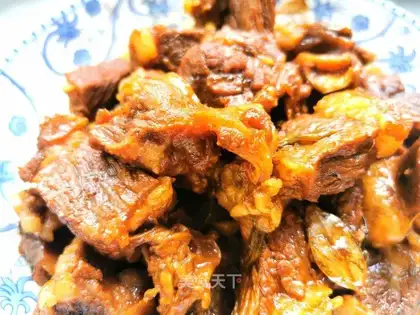
Beef brisket, a cut of meat from the breast or lower chest of a cow, has long been celebrated as a culinary centerpiece across cultures—from slow-smoked Texas barbecue to tender Korean soups and rich Jewish pot roasts. Beyond its versatility in cooking, this flavorful cut offers a robust nutritional profile, numerous health benefits, and specific considerations for consumption. Understanding its nutritional value, health-promoting properties, and potential risks can help individuals make informed choices to enjoy beef brisket as part of a balanced diet.
I. Nutritional Value of Beef Brisket
Beef brisket is a nutrient-dense meat, rich in high-quality protein, essential vitamins, and minerals. Its nutritional composition varies slightly based on fat content (e.g., "point cut" vs. "flat cut"), but a 3-ounce (85g) serving of cooked, lean beef brisket typically contains:
1. High-Quality Protein
Protein is vital for muscle repair, immune function, and overall growth. Beef brisket provides approximately 22 grams of protein per serving, offering all nine essential amino acids that the body cannot produce independently. This makes it an excellent choice for athletes, individuals recovering from illness, or those looking to maintain muscle mass.
2. Essential Vitamins
- Vitamin B12: Beef brisket is one of the best dietary sources of vitamin B12, a nutrient crucial for nerve function, DNA synthesis, and red blood cell production. A single serving can meet over 100% of the daily recommended intake, making it particularly beneficial for vegetarians or individuals at risk of B12 deficiency.
- Niacin (Vitamin B3): Supports energy metabolism and skin health. A 3-ounce serving provides about 30% of the daily value.
- Vitamin B6: Aids in brain development and immune function, with brisket contributing around 25% of the daily requirement per serving.
- Selenium: A powerful antioxidant that protects cells from damage; beef brisket provides approximately 30% of the daily value per serving.
3. Key Minerals
- Iron: Beef brisket is a rich source of heme iron, the form of iron most easily absorbed by the body. A 3-ounce serving supplies about 15% of the daily iron requirement, making it valuable for preventing iron-deficiency anemia, especially in women and children.
- Zinc: Essential for immune function, wound healing, and DNA synthesis. Beef brisket provides roughly 35% of the daily zinc value per serving.
- Phosphorus: Supports bone health and energy production, with brisket contributing around 20% of the daily requirement.
4. Fats and Fatty Acids
While beef brisket contains saturated fat (about 8 grams per serving), it also provides monounsaturated fats, which are heart-healthy when consumed in moderation. Additionally, it contains small amounts of conjugated linoleic acid (CLA), a fatty acid linked to potential benefits such as reduced body fat and improved immune function.
II. Health Benefits of Beef Brisket
When consumed as part of a balanced diet, beef brisket offers several health advantages, thanks to its nutrient density.
1. Supports Muscle Mass and Physical Performance
The high-quality protein in beef brisket provides the amino acids needed for muscle protein synthesis, making it an ideal food for athletes, older adults (to combat sarcopenia), and individuals engaging in strength training. Its vitamin B12 content further enhances energy production, supporting physical endurance.
2. Boosts Immune Function
Zinc and selenium in beef brisket play critical roles in immune health. Zinc deficiency is linked to impaired immune responses, while selenium helps regulate inflammation and protect against oxidative stress. Regular consumption of brisket can help maintain optimal levels of these minerals, reducing the risk of infections.
3. Promotes Brain Health
Vitamin B12 is essential for maintaining the myelin sheath that protects nerve fibers and supports cognitive function. Adequate B12 intake has been associated with a lower risk of neurodegenerative diseases, such as Alzheimer’s. Beef brisket’s B12 content makes it a valuable food for preserving brain health, especially in older adults.
4. Enhances Energy Metabolism
The B vitamins (B3, B6, and B12) in beef brisket act as coenzymes in energy metabolism, helping the body convert food into usable energy. This can reduce fatigue and improve overall vitality, particularly for individuals with high energy demands, such as athletes or busy professionals.
5. Supports Red Blood Cell Production
Heme iron and vitamin B12 work synergistically to produce red blood cells, which transport oxygen throughout the body. For individuals with iron-deficiency anemia, incorporating beef brisket into the diet can help alleviate symptoms like fatigue, weakness, and shortness of breath.
III. Considerations and Potential Risks
While beef brisket offers numerous benefits, it is important to consume it in moderation and consider certain dietary and health factors.
1. Saturated Fat and Heart Health
Beef brisket contains saturated fat, which, when consumed in excess, may increase LDL ("bad") cholesterol levels and raise the risk of heart disease. To mitigate this, opt for leaner cuts (e.g., flat cut over point cut), trim visible fat before cooking, and limit portion sizes (3–4 ounces per serving). Pairing brisket with fiber-rich vegetables (e.g., broccoli, beans) can also help balance its fat content.
2. Sodium Content
Processed beef brisket (e.g., corned beef, cured brisket) is often high in sodium due to preservation methods. Excessive sodium intake is linked to high blood pressure and cardiovascular issues. For individuals with hypertension or kidney disease, choosing fresh, unprocessed brisket and limiting added salt during cooking is advisable.
3. Purine Levels and Gout
Beef brisket is moderately high in purines, natural compounds that break down into uric acid. In people with gout or a history of kidney stones, high purine intake can trigger flare-ups. Such individuals should consume brisket sparingly and prioritize low-purine alternatives like poultry or fish.
4. Cooking Methods Matter
Grilling or charring beef brisket at high temperatures can produce heterocyclic amines (HCAs) and polycyclic aromatic hydrocarbons (PAHs), compounds linked to cancer risk. To minimize these, use lower-temperature cooking methods (e.g., braising, slow-cooking, or sous-vide), marinate the meat (which reduces HCA formation), and avoid charring.
5. Dietary Balance
While beef brisket is nutritious, it should not dominate the diet. The World Health Organization recommends limiting red meat intake to no more than 500 grams (cooked weight) per week to reduce the risk of colorectal cancer. Balance brisket with plant-based proteins (e.g., lentils, tofu) and a variety of fruits, vegetables, and whole grains for optimal health.
IV. Culinary Tips for Healthier Consumption
To maximize the health benefits of beef brisket while minimizing risks, consider these preparation tips:
- Choose Lean Cuts: Opt for the flat cut, which has less fat than the point cut.
- Trim Fat: Remove excess fat before cooking to reduce saturated fat content.
- Use Healthy Cooking Methods: Braise, stew, or slow-cook brisket with herbs and spices (e.g., rosemary, garlic) instead of grilling.
- Pair with Fiber-Rich Foods: Serve with whole grains (e.g., quinoa, brown rice) and vegetables (e.g., kale, carrots) to enhance nutrient absorption and promote satiety.
- Limit Processed Varieties: Avoid cured or smoked brisket (e.g., pastrami) due to high sodium and preservatives.
Conclusion
Beef brisket is a nutrient-rich meat that offers a wealth of health benefits, from supporting muscle growth and immune function to promoting brain health and energy metabolism. However, its saturated fat, sodium, and purine content require mindful consumption, particularly for individuals with heart conditions, hypertension, or gout. By choosing lean cuts, adopting healthier cooking methods, and balancing it with a diet rich in plant-based foods, beef brisket can be enjoyed as a flavorful and nutritious part of a healthy lifestyle. As with all foods, moderation and variety are key to reaping its benefits while minimizing potential risks.