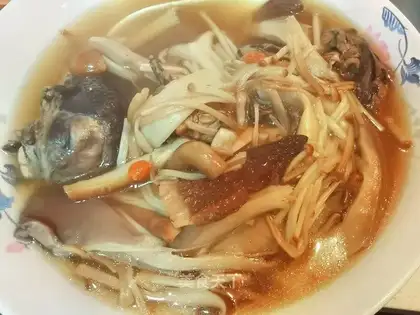
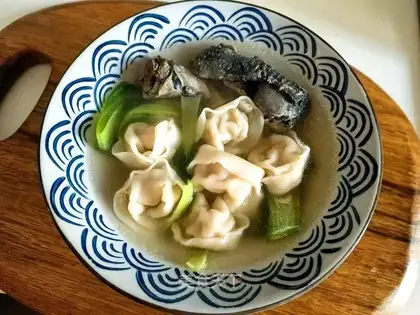
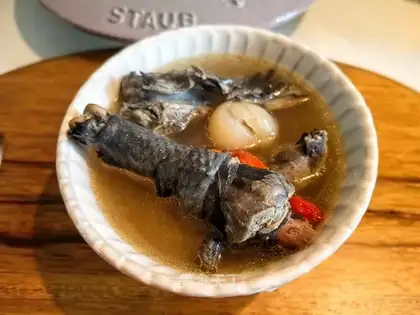
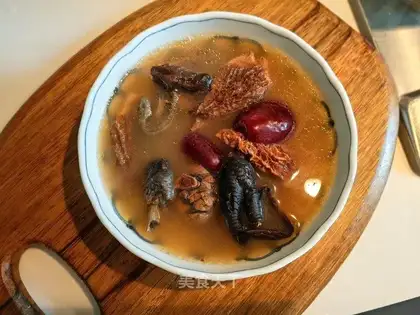
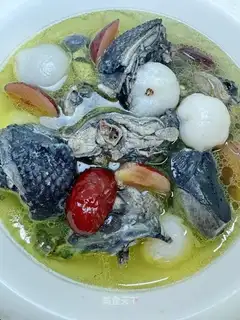
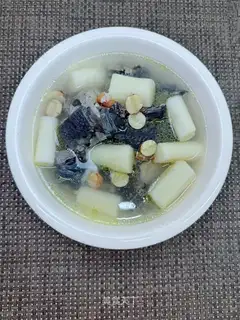
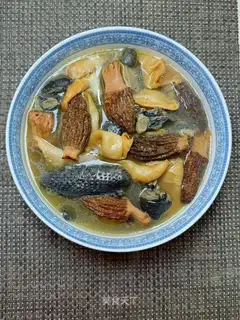
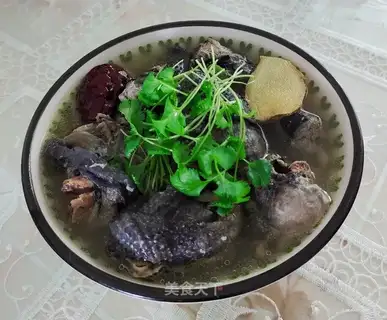
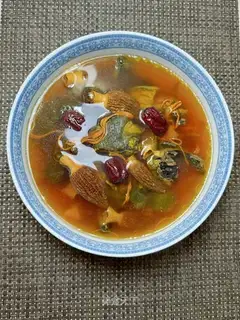
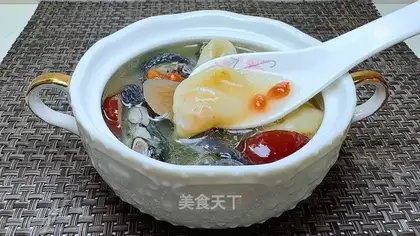
Silkie chicken (乌鸡), often referred to as "black-boned chicken" for its distinctive dark pigmentation, is a prized culinary and medicinal ingredient in Eastern cultures, particularly Traditional Chinese Medicine (TCM). For centuries, this unique poultry has been celebrated for its exceptional nutritional profile and purported healing properties. With its striking appearance—black skin, bones, and organs—Silkie chicken stands out not only for its aesthetic uniqueness but also for its dense concentration of bioactive compounds. This article explores the nutritional value of Silkie chicken, its evidence-based and traditional health benefits, and important precautions for consumption, providing a comprehensive guide to incorporating this "superfood" into a balanced diet.
I. Nutritional Profile of Silkie Chicken
Silkie chicken’s nutritional superiority stems from its unique composition, which sets it apart from conventional poultry. A 100-gram serving of cooked Silkie chicken (without skin) contains approximately:
- Protein: 22-25 grams, featuring a complete amino acid profile with high levels of lysine, methionine, and cysteine, essential for muscle repair, immune function, and antioxidant production.
- Fats: 1.5-3 grams, with a favorable ratio of unsaturated to saturated fats, including oleic acid (a heart-healthy monounsaturated fat) and omega-3 fatty acids, which reduce inflammation.
- Vitamins: Rich in B vitamins (B6, B12, niacin), which support energy metabolism and nervous system health, and vitamin E, a potent antioxidant that protects cells from oxidative stress. Notably, Silkie chicken contains 2-3 times more vitamin E than regular chicken.
- Minerals: Abundant in iron (2-3 mg per 100g), crucial for hemoglobin synthesis and preventing anemia; calcium (20-30 mg), vital for bone health; and zinc (1.5-2 mg), which enhances immune response and wound healing. Its high iron content makes it particularly beneficial for individuals with iron deficiency.
- Bioactive Compounds: The defining feature of Silkie chicken is its concentration of melanin—the pigment responsible for its dark color. Melanin is a powerful antioxidant that scavenges free radicals, reduces oxidative stress, and may protect against UV radiation and chronic diseases. Additionally, it contains glycosaminoglycans (GAGs), such as chondroitin sulfate, which support joint health and cartilage repair.
These nutrients collectively make Silkie chicken a nutrient-dense food, offering a holistic blend of macronutrients, micronutrients, and bioactive compounds that contribute to overall health.
II. Health Benefits of Silkie Chicken
Silkie chicken’s health benefits are rooted in both traditional wisdom and modern scientific research. In TCM, it is classified as a "warming" food (性温) that nourishes the qi (vital energy), blood, and yin, making it a staple for restoring balance and vitality. Below are its key health benefits, supported by both traditional and contemporary evidence.
1. Enhances Immune Function
Silkie chicken is a cornerstone of immune-boosting diets, particularly in TCM. Its high zinc content and bioactive peptides stimulate the production of immune cells, such as T-lymphocytes and natural killer (NK) cells, while its antioxidants (melanin, vitamin E) reduce inflammation and oxidative damage, which can weaken the immune system.
A 2018 study published in the Journal of Ethnopharmacology found that peptides extracted from Silkie chicken enhanced macrophage activity and increased antibody production in mice, suggesting potential immunomodulatory effects. For humans, regular consumption may help reduce the frequency of infections, especially in vulnerable groups like the elderly or immunocompromised individuals.
2. Supports Women’s Health and Pregnancy
In TCM, Silkie chicken is revered for its ability to "nourish blood and regulate menstruation," making it a popular remedy for women’s health issues. Its high iron content combats iron-deficiency anemia, a common concern during menstruation and pregnancy, while its amino acids (e.g., arginine) support placental development and fetal growth.
A 2020 study in Nutrients highlighted that pregnant women who consumed iron-rich foods like Silkie chicken had a lower risk of anemia and preterm birth. Additionally, its warming properties are believed to alleviate cold hands and feet, a frequent complaint among women with poor circulation.
3. Anti-Aging and Skin Health
The melanin and antioxidants in Silkie chicken play a key role in combating aging. Melanin neutralizes free radicals, which cause cellular damage and wrinkles, while vitamin E and selenium protect skin elasticity and hydration. TCM practitioners also recommend Silkie chicken for "brightening the complexion" and reducing hyperpigmentation, as it is thought to improve blood flow to the skin.
A 2019 Journal of Cosmetic Dermatology study found that mice fed a Silkie chicken extract showed reduced UV-induced skin damage and increased collagen production, indicating potential anti-aging benefits. For humans, incorporating Silkie chicken into the diet may promote a youthful, radiant complexion.
4. Improves Bone and Joint Health
Silkie chicken’s high calcium, phosphorus, and chondroitin sulfate content make it beneficial for bone and joint health. Calcium and phosphorus are essential for maintaining bone density, while chondroitin sulfate—a component of cartilage—reduces inflammation and alleviates symptoms of osteoarthritis.
In TCM, Silkie chicken is often cooked with herbs like dang gui (angelica sinensis) or goji berries to enhance its bone-strengthening effects. A 2017 study in Osteoporosis International noted that postmenopausal women who consumed collagen-rich poultry (including Silkie chicken) had a slower rate of bone loss, reducing fracture risk.
5. Aids Recovery and Reduces Fatigue
Thanks to its high-quality protein and amino acids, Silkie chicken is an excellent food for post-illness recovery or post-exercise muscle repair. In TCM, it is used to "restore depleted qi" and reduce fatigue, particularly after chronic illness or strenuous physical activity.
The amino acid tryptophan in Silkie chicken also supports serotonin production, a neurotransmitter that regulates mood and sleep, helping to alleviate stress and improve sleep quality—a critical factor in recovery.
III. Precautions and Contraindications
While Silkie chicken offers numerous health benefits, it is not suitable for everyone. Certain populations should consume it with caution or avoid it altogether, and proper preparation is essential to maximize its benefits and minimize risks.
1. Individuals with "Heat" Constitution in TCM
In TCM, foods are classified as "hot" (热), "cold" (寒), or "neutral" (平) based on their effects on the body’s balance. Silkie chicken is considered a "warming" food, making it unsuitable for individuals with a "heat" constitution (热性体质), who may experience symptoms like acne, sore throat, mouth ulcers, or constipation. Overconsumption can exacerbate these conditions by increasing internal "heat."
2. Acute Infections or Fever
During acute inflammatory conditions, such as a cold, flu, or fever, TCM advises avoiding "warming" foods like Silkie chicken. These foods can trap pathogens in the body and prolong recovery. Instead, lighter, cooling foods (e.g., mung bean soup or cucumber) are recommended until symptoms subside.
3. High Cholesterol or Cardiovascular Disease
While Silkie chicken contains healthy fats, its skin is relatively high in cholesterol (approximately 60-70 mg per 100g). Individuals with high cholesterol, heart disease, or a family history of cardiovascular issues should remove the skin before consumption and limit intake to 2-3 times per week to avoid excessive saturated fat and calorie intake.
4. Kidney Disease
Silkie chicken is rich in protein and purines, which can strain kidney function in individuals with chronic kidney disease (CKD). The kidneys may struggle to metabolize the high levels of protein and uric acid, potentially worsening kidney damage. Patients with CKD should consult a healthcare provider before including Silkie chicken in their diet.
5. Allergies and Food Sensitivities
Though rare, poultry allergies can occur. Individuals with a known allergy to chicken should avoid Silkie chicken, as cross-reactivity is possible. Symptoms may include hives, swelling, or digestive distress.
6. Proper Preparation
To maximize nutritional benefits and ensure safety:
- Choose fresh, high-quality Silkie chicken: Look for plump, odor-free poultry with intact skin. Avoid frozen or discolored birds.
- Remove excess fat: Trim visible fat and the skin to reduce calorie and cholesterol content.
- Cook thoroughly: Silkie chicken should be cooked to an internal temperature of 74°C (165°F) to kill harmful bacteria (e.g., Salmonella).
- Pair with balanced ingredients: In TCM, Silkie chicken is often cooked with herbs (e.g., ginger, astragalus) or vegetables (e.g., carrots, goji berries) to enhance its warming or nourishing effects. Avoid excessive salt or sugar, which can negate its health benefits.
IV. Conclusion
Silkie chicken is a nutritional powerhouse that bridges traditional medicine and modern nutrition. Its rich profile of protein, vitamins, minerals, and bioactive compounds—including melanin and chondroitin sulfate—makes it a valuable food for boosting immunity, supporting women’s health, promoting anti-aging, and aiding recovery. However, its "warming" nature and specific nutrient composition require caution for individuals with heat constitution, acute infections, or chronic diseases like kidney or heart disease.
When consumed in moderation and prepared thoughtfully, Silkie chicken can be a delicious and therapeutic addition to a balanced diet. Whether simmered in a traditional herbal soup or roasted with aromatic spices, this unique poultry continues to earn its reputation as a "healing food" that nourishes the body and mind. As with any dietary choice, moderation and awareness of individual health needs are key to unlocking its full potential.