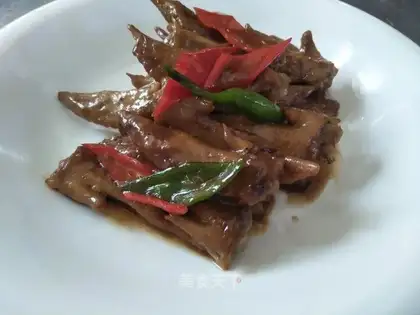
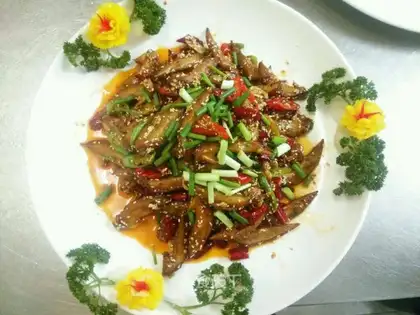
Chicken wing tips, the slender, cartilage-rich segments at the extreme end of chicken wings, are often overlooked in favor of the meatier "drumettes" or "flats." Yet these tiny, gelatinous morsels have long been staples in culinary traditions worldwide—from sticky Asian street snacks to hearty broths and spicy barbecues. Beyond their culinary versatility, wing tips pack a surprising nutritional punch, offering unique compounds that support joint health, skin vitality, and more. However, like all animal parts, they come with considerations, particularly for those with specific dietary needs or health concerns. This article explores the nutritional profile of chicken wing tips, their evidence-based health benefits, and important precautions to keep in mind when enjoying them.
Nutritional Value of Chicken Wing Tips
Chicken wing tips are a nutrient-dense food, though their composition differs markedly from the muscle tissue of chicken breasts or thighs. While they are lower in protein and higher in fat and connective tissue, they excel in providing specific macronutrients, micronutrients, and bioactive compounds that are often scarce in other cuts of meat.
Macronutrient Breakdown
A 100-gram serving of cooked chicken wing tips (approximately 5–6 tips) contains roughly:
- Calories: 280–300 kcal, primarily from fat (about 18–20 grams), with a small portion from protein (15–17 grams).
- Protein: Though less concentrated than in chicken breast (which contains ~31 grams of protein per 100 grams), wing tip protein is high in essential amino acids, including lysine, leucine, and valine—critical for muscle repair, immune function, and hormone synthesis.
- Fat: Wing tips are richer in fat, with a mix of saturated, monounsaturated, and polyunsaturated fats. Notably, they contain small amounts of arachidonic acid (an omega-6 fatty acid) and conjugated linoleic acid (CLA), a polyunsaturated fat studied for its potential metabolic benefits.
- Carbohydrates: Negligible (less than 1 gram per serving), making them a low-carb option for ketogenic or low-glycemic diets.
Micronutrients: Vitamins and Minerals
Where wing tips truly shine is in their micronutrient content, particularly vitamins and minerals that support bone, skin, and immune health:
- Collagen and Gelatin: Wing tips are one of the best dietary sources of collagen, the primary structural protein in skin, bones, and connective tissues. When slow-cooked (e.g., in broths or stews), collagen breaks down into gelatin, which is rich in amino acids like glycine, proline, and hydroxyproline. These compounds are essential for maintaining skin elasticity, joint cartilage, and gut lining integrity.
- Chondroitin and Glucosamine: Like other cartilage-rich parts of the chicken (e.g., feet, knuckles), wing tips contain small amounts of chondroitin sulfate and glucosamine—key components of joint cartilage. These compounds are often sold as supplements for osteoarthritis, but dietary sources may offer synergistic benefits when consumed as part of a whole-food diet.
- Minerals: Wing tips provide significant amounts of calcium (about 20–30 mg per 100 grams, though more can be leached into broth during cooking), phosphorus (150–200 mg), and magnesium (15–20 mg), all vital for bone health. They also contain iron (0.8–1.2 mg), supporting red blood cell production, and zinc (1.5–2 mg), which boosts immune function and wound healing.
- B Vitamins: They are a good source of niacin (B3) (5–6 mg per 100 grams), which aids energy metabolism and nervous system function, and vitamin B12 (0.5–0.8 mcg), crucial for nerve health and DNA synthesis.
Unique Bioactive Compounds
Beyond basic macronutrients and micronutrients, wing tips contain bioactive compounds with potential health-promoting properties:
- Glycosaminoglycans (GAGs): These long-chain carbohydrates, including chondroitin and hyaluronic acid, help retain moisture in skin and lubricate joints. While GAGs are best absorbed as supplements, dietary sources from slow-cooked wing tips may support joint and skin health over time.
- Antioxidants: Wing tips contain small amounts of selenium (10–15 mcg per 100 grams), a powerful antioxidant that protects cells from oxidative stress, and glutathione, a "master antioxidant" that supports liver detoxification.
Health Benefits of Chicken Wing Tips
The nutritional profile of wing tips translates to several evidence-based health benefits, particularly for joint health, skin vitality, and gut function.
1. Supports Joint Health and Reduces Arthritis Symptoms
Collagen, chondroitin, and glucosamine in wing tips are well-studied for their role in maintaining joint integrity. Collagen provides the "scaffold" for cartilage, while chondroitin and glucosamine help retain water and cushion joints. A 2017 review in The Journal of Nutrition found that dietary collagen supplementation reduced joint pain and stiffness in people with osteoarthritis, with benefits comparable to some over-the-counter pain relievers. While wing tips are not a "cure" for arthritis, regular consumption—especially in broth form—may complement other treatments by supporting natural collagen production.
2. Promotes Skin Health and Anti-Aging
The collagen and gelatin in wing tips are a boon for skin health. Collagen accounts for 70–80% of skin’s dry weight, and its production declines with age, leading to wrinkles and sagging. A 2014 study in Nutrition Research found that women who consumed collagen supplements (derived from similar animal sources) showed improved skin elasticity, hydration, and roughness after 8 weeks. For those who prefer whole foods, slow-cooked wing tip broth offers a natural source of collagen, which the body breaks down into amino acids to rebuild skin proteins. Additionally, the antioxidants in wing tips (e.g., selenium) protect skin from UV damage and pollution, further slowing signs of aging.
3. Aids Digestive and Gut Health
Gelatin, derived from collagen, has been shown to support gut lining integrity. The amino acid glycine, abundant in gelatin, reduces inflammation in the gut and helps maintain the mucosal barrier, which prevents "leaky gut" (a condition where undigested food particles and toxins enter the bloodstream). A 2015 study in Journal of Parenteral and Enteral Nutrition found that gelatin supplementation improved gut barrier function in patients with inflammatory bowel disease (IBD). For individuals with mild digestive issues, wing tip broth may be a soothing, nutrient-dense option that supports gut health without triggering sensitivities (unlike high-fiber foods, which can aggravate conditions like IBD flares).
4. Boosts Immune Function
Wing tips are a surprising source of immune-supporting nutrients. Zinc, for example, is critical for the development and function of immune cells, such as T-cells and natural killer (NK) cells. A 2020 review in Frontiers in Immunology noted that zinc deficiency impairs immune response, increasing susceptibility to infections. Wing tips also provide vitamin B12, which supports the production of white blood cells, and selenium, which enhances the activity of antioxidants that protect immune cells from oxidative stress. For individuals recovering from illness or those with weakened immunity (e.g., the elderly), wing tips can be a valuable addition to a balanced diet.
5. Supports Weight Management
While wing tips are higher in fat than lean cuts of chicken, their protein and collagen content may aid weight management. Protein increases satiety (the feeling of fullness) more than carbohydrates or fats, reducing overall calorie intake. A 2019 study in The American Journal of Clinical Nutrition found that high-protein diets led to greater weight loss and fat retention compared to low-protein diets. Additionally, collagen peptides have been shown to boost metabolism slightly by increasing the body’s energy expenditure at rest. For those following a calorie-controlled diet, wing tips can be a satisfying, protein-rich option that prevents overeating—provided they are prepared with healthy cooking methods (e.g., baking, grilling) rather than deep-frying.
Precautions and Potential Risks
While wing tips offer numerous health benefits, they are not suitable for everyone. Certain dietary restrictions, cooking methods, and health conditions require caution when consuming them.
1. High in Fat and Calories
Wing tips are significantly higher in fat (18–20 grams per 100 grams) and calories (280–300 kcal) than lean cuts like chicken breast (3–4 grams of fat, 165 kcal per 100 grams). For individuals trying to lose weight or manage high cholesterol, portion control is key. A single serving (5–6 tips) should be limited to 2–3 times per week, and cooking methods that add extra fat (e.g., deep-frying, sautéing in butter) should be avoided in favor of baking, grilling, or poaching.
2. Sodium Content in Processed Preparations
Many popular wing tip dishes—such as buffalo wings, soy-sauce-marinated tips, or store-bought broths—are high in sodium. A single serving of buffalo wings can contain 800–1200 mg of sodium, exceeding the American Heart Association’s recommended daily limit of 2300 mg (and 1500 mg for those with hypertension). High sodium intake increases blood pressure and raises the risk of heart disease and stroke. To minimize sodium, opt for homemade broths (using minimal salt) and seasonings like herbs, spices, and lemon juice instead of soy sauce or commercial marinades.
3. Purine Content and Gout Risk
Wing tips, like all animal proteins, contain purines, compounds that break down into uric acid in the body. High uric acid levels can trigger gout, a painful form of arthritis characterized by joint inflammation. Individuals with gout or a history of kidney stones (which can also be caused by high uric acid) should limit purine intake to 100–150 mg per day. A 100-gram serving of wing tips contains 150–200 mg of purines, making them a high-purine food. For those with gout, wing tips should be avoided entirely or consumed only occasionally (e.g., once a month) in small portions.
4. Allergies and Sensitivities
While chicken allergies are less common than allergies to eggs, dairy, or nuts, they can still occur. Symptoms of a chicken allergy may include hives, swelling, digestive upset, or anaphylaxis in severe cases. Additionally, some people may be sensitive to collagen or gelatin, experiencing bloating or diarrhea after consuming collagen-rich foods like wing tips. Individuals with known chicken allergies or collagen sensitivities should avoid wing tips altogether.
5. Contamination and Food Safety
Chicken, including wing tips, can be contaminated with harmful bacteria such as Salmonella or Campylobacter if not handled or cooked properly. To reduce the risk of foodborne illness:
- Always buy fresh wing tips from reputable sources and check the expiration date.
- Store wing tips at 40°F (4°C) or below, and use them within 1–2 days of purchase.
- Cook wing tips to an internal temperature of 165°F (74°C) to kill bacteria (use a meat thermometer to ensure accuracy).
- Avoid cross-contamination by keeping raw wing tips separate from ready-to-eat foods (e.g., salads, fruits) and washing hands, utensils, and surfaces after handling raw chicken.
Culinary Tips for Enjoying Wing Tips Healthily
To maximize the health benefits of wing tips while minimizing risks, preparation is key. Here are some tips for incorporating them into a balanced diet:
- Choose Low-Fat Cooking Methods: Bake or grill wing tips instead of deep-frying. For added flavor, marinate them in herbs (e.g., rosemary, thyme), garlic, and lemon juice before cooking.
- Make Bone Broth: Slow-cook wing tips with vegetables (e.g., carrots, celery) and herbs for 6–8 hours to make nutrient-dense broth. The broth will be rich in collagen, gelatin, and minerals, making it a soothing drink or base for soups.
- Pair with Vegetables: Serve wing tips with roasted vegetables (e.g., broccoli, bell peppers) or a side salad to increase fiber and nutrient intake. This balances the higher fat content of the wing tips and adds antioxidants.
- Limit Processed Sauces: Avoid store-bought sauces (e.g., BBQ sauce, sweet chili sauce) that are high in sugar and sodium. Instead, make your own using natural sweeteners (e.g., honey, maple syrup) and low-sodium seasonings.
Conclusion
Chicken wing tips are a nutritional powerhouse, offering unique benefits for joint health, skin vitality, gut function, and immunity. Their high collagen, gelatin, and mineral content makes them a valuable addition to a balanced diet, particularly for those looking to support connective tissue health or recover from illness. However, their high fat, purine, and sodium content requires moderation, especially for individuals with obesity, gout, or hypertension. By choosing healthy cooking methods, controlling portions, and pairing them with nutrient-dense foods, wing tips can be enjoyed as both a delicious and nourishing part of a varied diet. Whether simmered in broth, grilled with herbs, or baked with spices, these tiny, gelatinous tips prove that good things often come in small packages.