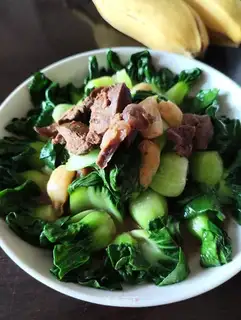
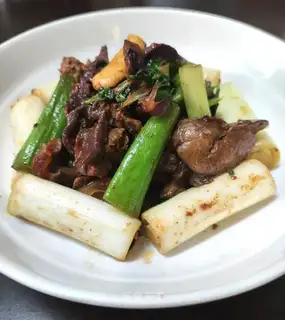
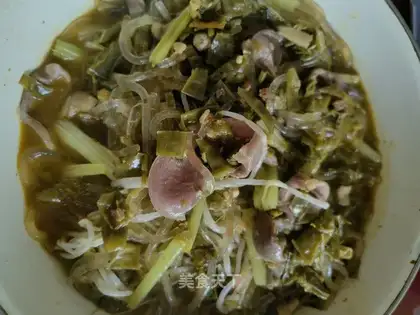
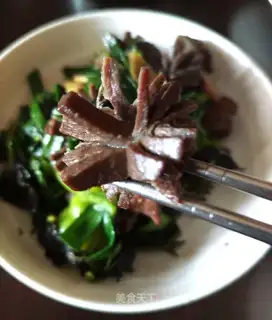
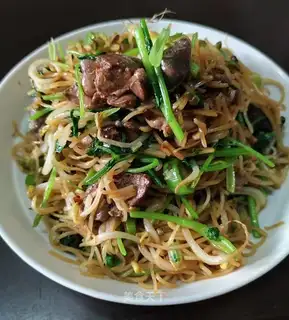
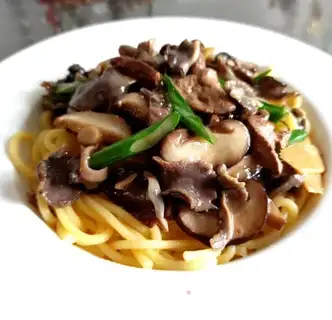
Chicken offal, often referred to as "variety meats" or "organ meats," encompasses the internal organs of the chicken, including the heart, liver, gizzards, kidneys, and neck. While long overlooked in mainstream Western diets in favor of muscle meat, these ingredients have been prized in culinary traditions worldwide for their rich flavors, versatility, and dense nutrient profiles. From hearty stews in Eastern Europe to spicy stir-fries in Asia, chicken offal offers a unique combination of proteins, vitamins, and minerals. However, its consumption also requires caution due to potential risks associated with improper handling or overconsumption. This article explores the nutritional value of chicken offal, its health benefits, and key precautions to ensure safe and enjoyable consumption.
Nutritional Value of Chicken Offal
Chicken offal is a nutritional powerhouse, packed with essential nutrients that are often less concentrated in muscle meat. The specific nutrient profile varies by organ, but collectively, they provide high-quality protein, vitamins (especially B vitamins and fat-soluble vitamins), minerals, and bioactive compounds.
1. High-Quality Protein
All offal cuts are rich in complete proteins, containing all nine essential amino acids necessary for human health. For example, chicken heart and gizzard are particularly protein-dense, with approximately 20-25 grams of protein per 100 grams (cooked). Protein is vital for muscle repair, immune function, and enzyme production, making offal an excellent choice for individuals with high protein needs, such as athletes or those recovering from illness.
2. Abundant B Vitamins
Chicken offal is one of the best natural sources of B vitamins, which play a critical role in energy metabolism, nervous system function, and red blood cell formation.
- Vitamin B12 (Cobalamin): Chicken liver is exceptionally high in vitamin B12, with a single 100-gram serving providing over 1000% of the daily recommended intake. Vitamin B12 is essential for nerve health and DNA synthesis, and its deficiency can lead to anemia or neurological disorders.
- Riboflavin (B2) and Niacin (B3): These vitamins are abundant in gizzards and hearts, supporting energy production and skin health.
- Folate (B9): Liver and kidneys contain significant amounts of folate, which is crucial for cell division and fetal development during pregnancy.
3. Essential Minerals
Offal is a concentrated source of minerals that are often lacking in typical diets:
- Iron: Chicken liver is one of the best sources of heme iron, the type most easily absorbed by the body. A 100-gram serving provides over 30 mg of iron, far exceeding the 8 mg recommended for adult men and 18 mg for women. Iron is vital for oxygen transport and preventing iron-deficiency anemia.
- Zinc: Gizzards and kidneys are rich in zinc, a mineral important for immune function, wound healing, and DNA synthesis. A 100-gram serving of gizzard contains approximately 3-4 mg of zinc, meeting 30-40% of the daily requirement.
- Copper and Selenium: These trace minerals are found in offal and act as antioxidants, protecting cells from damage. Selenium, in particular, supports thyroid function and immune health.
4. Fat-Soluble Vitamins
Chicken liver is a standout source of fat-soluble vitamins:
- Vitamin A: A 100-gram serving of liver provides over 600% of the daily recommended intake of vitamin A, in the form of retinol, which is essential for vision, immune function, and skin health.
- Vitamin D: Some offal cuts, particularly liver, contain small amounts of vitamin D, which supports bone health and calcium absorption.
- Vitamin K: Liver provides vitamin K2, which helps regulate calcium deposition in bones and blood vessels, reducing the risk of osteoporosis and arterial calcification.
Health Benefits of Chicken Offal
The dense nutrient profile of chicken offal translates to several health benefits when consumed as part of a balanced diet.
1. Supports Energy and Metabolism
The high levels of B vitamins (especially B12, B6, and niacin) in offal are critical for converting food into energy. These vitamins act as coenzymes in metabolic pathways, helping the body break down carbohydrates, fats, and proteins efficiently. For individuals with fatigue or high energy demands, such as athletes or busy professionals, incorporating offal into meals can help boost energy levels.
2. Enhances Immune Function
Offal’s rich content of zinc, vitamin A, and vitamin C (found in small amounts in liver) strengthens the immune system. Zinc is essential for the development and function of immune cells, while vitamin A maintains the integrity of mucosal barriers (e.g., in the respiratory and digestive tracts), preventing pathogen invasion. Regular consumption of offal may reduce the frequency and severity of infections.
3. Promotes Healthy Blood and Prevents Anemia
The combination of heme iron, vitamin B12, and folate in offal makes it a powerful food for preventing and treating anemia. Heme iron is absorbed 2-3 times more efficiently than non-heme iron (found in plant foods), making it particularly beneficial for individuals with iron-deficiency anemia, such as pregnant women or menstruating individuals. Vitamin B12 and folate, in turn, support red blood cell production and prevent megaloblastic anemia.
4. Supports Brain and Nervous System Health
Vitamin B12, abundant in chicken liver and heart, is vital for maintaining the myelin sheath that protects nerve fibers. A deficiency in B12 can lead to neurological symptoms such as numbness, memory loss, or depression. Additionally, choline (found in liver) supports brain development and function, making offal a beneficial food for pregnant women and children.
5. Boosts Skin and Eye Health
Vitamin A in offal is essential for skin cell regeneration and repair, helping to maintain elasticity and prevent conditions like dry skin or acne. For eye health, vitamin A (as retinol) and antioxidants like selenium protect against age-related macular degeneration (AMD) and cataracts by reducing oxidative stress in the retina.
Precautions and Potential Risks
While chicken offal offers numerous health benefits, it must be consumed with caution due to potential risks associated with its nutrient density and sourcing.
1. Moderation is Key: Avoid Overconsumption
Chicken offal is highly nutritious but should be eaten in moderation to avoid excessive intake of certain nutrients:
- Vitamin A Toxicity: Consuming large amounts of liver (more than 100 grams per week) can lead to hypervitaminosis A, a condition characterized by nausea, headache, and, in severe cases, liver damage or bone deformities.
- Cholesterol: Offal is high in dietary cholesterol (e.g., liver contains 350 mg per 100 grams). However, recent research suggests that dietary cholesterol has a minimal impact on blood cholesterol levels for most people. Still, individuals with hypercholesterolemia or cardiovascular disease should limit intake to 1-2 servings per week.
- Purines: Kidneys and gizzards are high in purines, which can exacerbate gout in susceptible individuals. Those with gout should avoid these cuts or consume them sparingly.
2. Proper Handling and Cooking to Avoid Foodborne Illness
Offal is highly perishable and can harbor harmful bacteria such as Salmonella, E. coli, or Campylobacter if not handled or cooked properly:
- Sourcing: Purchase fresh offal from reputable suppliers, ensuring it is stored at or below 4°C (39°F) and used within 1-2 days of purchase.
- Cleaning: Thoroughly rinse offal under cold water and remove any excess fat, membranes, or bile (especially in liver) to improve taste and reduce contamination.
- Cooking: Offal must be cooked to an internal temperature of 75°C (165°F) to kill pathogens. Avoid rare or undercooked offal, particularly for vulnerable groups such as pregnant women, children, or immunocompromised individuals.
3. Contaminant and Additive Concerns
Offal, particularly liver, can accumulate toxins from the animal’s environment, such as heavy metals (e.g., lead, cadmium) or pesticides. To minimize risk, choose organic or free-range chicken offal, which is less likely to contain harmful residues. Additionally, avoid offal from animals treated with antibiotics or hormones, as these substances may be present in the organs.
4. Individual Health Considerations
Certain populations should limit or avoid offal consumption:
- Pregnant Women: While liver provides folate, excessive vitamin A intake is linked to birth defects. Pregnant women should limit liver to 1 small serving per week and avoid other offal cuts unless advised by a healthcare provider.
- Individuals with Kidney or Liver Disease: The high protein and purine content in offal can strain the kidneys or worsen liver conditions in those with pre-existing diseases.
- People with Gout: As mentioned earlier, purine-rich offal (kidneys, gizzards) can trigger gout attacks.
Culinary Uses and Incorporation into a Balanced Diet
Chicken offal is a versatile ingredient that can be prepared in numerous ways to enhance flavor and nutrition. Common culinary methods include:
- Stir-frying: Gizzards and hearts are often stir-fried with vegetables and spices (e.g., garlic, ginger, chili) for a quick, protein-rich meal.
- Stews and Soups: Liver, kidneys, and neck add depth and nutrients to slow-cooked dishes like chicken gizzard soup or liver pâté.
- Grilling or Roasting: Marinated hearts or liver can be grilled or roasted for a crispy, flavorful side dish.
- Pâtés and Terrines: Liver is the primary ingredient in pâté, a spreadable delicacy often served with bread or crackers.
To incorporate offal into a balanced diet, start with small portions (e.g., 50-100 grams per serving) 1-2 times per week. Pair it with fiber-rich vegetables (e.g., broccoli, spinach) to enhance nutrient absorption and balance the meal. For those new to offal, milder cuts like gizzards or hearts are a good starting point, as they have a less intense flavor than liver.
Conclusion
Chicken offal is a nutrient-dense food that offers a range of health benefits, from supporting energy metabolism and immune function to preventing anemia and promoting brain health. Its high content of protein, B vitamins, iron, and vitamin A makes it a valuable addition to a balanced diet, particularly for individuals with increased nutrient needs. However, moderation, proper handling, and cooking are essential to avoid potential risks such as vitamin A toxicity or foodborne illness. When sourced and prepared responsibly, chicken offal can be a delicious and nutritious component of a diverse and healthy eating pattern. As with any food, listening to your body and consulting a healthcare provider or nutritionist can help tailor offal consumption to your individual health needs and goals.