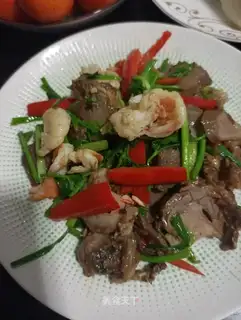
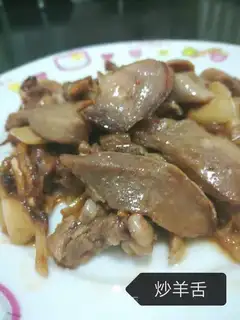
Lamb, a staple in cuisines across the Mediterranean, Middle East, and parts of Asia, has long been celebrated for its rich flavor and versatility. While cuts like chops, ribs, and loin often take center stage, lamb tongue—an offal cut with a tender texture and unique taste—remains a hidden gem for many. Revered for its culinary potential and nutritional profile, lamb tongue offers a range of health benefits when consumed mindfully. However, like organ meats, it also requires careful preparation and awareness of potential dietary restrictions. This article explores the nutritional value of lamb tongue, its health benefits, key considerations for consumption, and tips for incorporating it into a balanced diet.
Nutritional Profile of Lamb Tongue
Lamb tongue is a nutrient-dense food, packed with high-quality protein, essential vitamins, and minerals, though it is also relatively high in fat and cholesterol. A 100-gram serving of cooked lamb tongue (approximately half a medium-sized tongue) contains roughly:
- Protein: 25–27 grams, providing all nine essential amino acids necessary for muscle repair, immune function, and enzyme production. This makes it an excellent protein source, comparable to lean cuts of meat like chicken breast or sirloin.
- Fat: 15–18 grams, with a mix of saturated, monounsaturated, and polyunsaturated fats. While it contains more fat than lean muscle meats, the fat profile includes oleic acid (a heart-healthy monounsaturated fat also found in olive oil) and small amounts of omega-3 fatty acids.
- Cholesterol: ~100–120 milligrams, higher than lean cuts but still within moderate limits for most healthy individuals when consumed as part of a varied diet.
- Vitamins:
- Vitamin B12: ~3.5 micrograms (over 100% of the Daily Value), critical for nerve function, red blood cell formation, and DNA synthesis.
- Niacin (B3): ~4.5 mg (28% DV), supporting energy metabolism and skin health.
- Riboflavin (B2): ~0.4 mg (24% DV), essential for energy production and antioxidant defense.
- Vitamin A: ~150–200 IU (3–4% DV), present in smaller amounts but contributing to vision and immune health.
- Minerals:
- Iron: ~3.5 mg (19% DV), in the heme form (easily absorbed by the body), vital for preventing anemia and oxygen transport.
- Zinc: ~4.5 mg (41% DV), important for immune function, wound healing, and DNA synthesis.
- Selenium: ~25 micrograms (36% DV), a powerful antioxidant that supports thyroid health and reduces oxidative stress.
- Phosphorus: ~250 mg (20% DV), key for bone health and energy metabolism.
This combination of nutrients makes lamb tongue a valuable addition to diets focused on whole, unprocessed foods, particularly for individuals needing boosts in protein, B vitamins, or iron.
Health Benefits of Lamb Tongue
The nutritional composition of lamb tongue translates to several health benefits, from muscle maintenance to cognitive support.
1. High-Quality Protein for Muscle and Tissue Repair
Protein is the building block of muscles, skin, bones, and cartilage, and lamb tongue provides a complete amino acid profile. Its high protein content makes it ideal for athletes, older adults (to combat age-related muscle loss), or anyone recovering from injury. The leucine, isoleucine, and valine in lamb tongue—branched-chain amino acids (BCAAs)—further support muscle protein synthesis, enhancing strength and recovery.
2. Rich in B Vitamins for Energy and Brain Health
Lamb tongue is a powerhouse of B vitamins, particularly B12 and B3. Vitamin B12 is almost exclusively found in animal products, and deficiency can lead to anemia, fatigue, and neurological damage. A single serving of lamb tongue covers daily B12 needs, making it a crucial food for vegetarians or vegans who may struggle to obtain enough from plant sources. Niacin (B3) helps convert food into energy and supports brain function, while riboflavin (B2) protects cells from oxidative damage.
3. Boosts Immune Function with Zinc and Selenium
Zinc and selenium are minerals that play pivotal roles in immune health. Zinc deficiency impairs immune cell development, increasing susceptibility to infections, while selenium enhances the activity of antioxidants like glutathione, which neutralizes harmful free radicals. Lamb tongue’s high zinc and selenium content make it a valuable food for strengthening immune defenses, especially during cold and flu season.
4 Supports Cognitive Health and Nerve Function
The combination of vitamin B12, iron, and omega-3 fatty acids (in small amounts) in lamb tongue benefits brain health. B12 helps maintain the myelin sheath that protects nerve fibers, while iron ensures adequate oxygen supply to brain tissue. Studies suggest that adequate B12 intake may reduce the risk of cognitive decline and neurodegenerative diseases like Alzheimer’s.
5. Promotes Healthy Skin and Hair
Niacin and riboflavin support skin health by maintaining the skin’s barrier function and reducing inflammation. Additionally, the protein in lamb tongue provides amino acids like proline and glycine, which are essential for collagen production— a protein that keeps skin firm and elastic. Zinc also aids in wound healing and may help alleviate acne and other skin conditions.
Culinary Uses and Preparation Tips
Lamb tongue is prized for its tender, melt-in-your-mouth texture when cooked properly. Unlike muscle meats, which can become tough if overcooked, tongue benefits from slow cooking, which breaks down collagen and enhances its flavor. Here’s a basic guide to preparing lamb tongue:
1. Cleaning: Soak the tongue in cold water for 1–2 hours to remove excess blood. Trim any fat or uneven parts.
2. Boiling/Simmering: Place the tongue in a pot with water, salt, aromatics (onion, garlic, bay leaves, peppercorns), and a splash of vinegar (to tenderize). Simmer for 2–3 hours, or until fork-tender.
3. Peeling: Once cooled, the outer skin (epithelium) can be easily peeled off, revealing the smooth, pink flesh underneath.
4. Cooking Methods: Peeled tongue can be sliced and served cold in salads, pan-fried with herbs, added to stews, or braised in sauces. In Mediterranean cuisine, it is often marinated in olive oil, lemon, and oregano, while in Asian dishes, it may be stir-fried with vegetables or spices.
Its mild, slightly sweet flavor makes it versatile, allowing it to absorb marinades and spices well. When cooked correctly, lamb tongue can be a gourmet delight, often featured in charcuterie boards, traditional stews, or upscale appetizers.
Potential Risks and Consumption Considerations
While lamb tongue offers numerous health benefits, it is not without risks, particularly for certain populations. Understanding these considerations is key to enjoying it safely.
1. High Cholesterol and Saturated Fat
Lamb tongue contains more cholesterol and saturated fat than lean cuts of meat. For individuals with high cholesterol, heart disease, or a history of stroke, moderation is essential. The American Heart Association recommends limiting dietary cholesterol to 300 milligrams per day for most adults and 200 milligrams for those with heart conditions. A single serving of lamb tongue may exceed this limit, so it should be consumed occasionally rather than daily.
2. Purine Content and Gout Risk
Organ meats, including tongue, are high in purines, compounds that break down into uric acid. In excess, uric acid can form crystals in joints, causing gout—a painful form of arthritis. Individuals with gout or high uric acid levels should avoid lamb tongue or consult a healthcare provider before including it in their diet.
3. Sodium and Additives
Canned or processed lamb tongue may contain added sodium or preservatives (e.g., nitrates), which can increase blood pressure and risk of cardiovascular disease. Opt for fresh tongue and prepare it at home to control sodium intake.
4. Food Safety and Preparation
As with all organ meats, proper cooking is critical to kill harmful bacteria like Salmonella or E. coli. Always ensure the tongue is cooked to an internal temperature of 165°F (74°C) and avoid cross-contamination by using separate cutting boards and utensils for raw and cooked meat.
5. Dietary Restrictions
Lamb tongue is unsuitable for vegans and vegetarians, as it is an animal product. Additionally, individuals with religious restrictions on consuming pork (e.g., Muslims, Jews) should note that lamb is permissible in these faiths, but cross-contamination with pork during processing must be avoided.
Who Should Limit or Avoid Lamb Tongue?
While lamb tongue is safe for most healthy individuals, the following groups should exercise caution or avoid it:
- People with Heart Disease or High Cholesterol: Due to its high cholesterol and saturated fat content.
- Gout Sufferers: High purine levels can trigger gout attacks.
- Those with Kidney Disease: Excess protein and phosphorus may strain kidney function.
- Pregnant Women: Organ meats can contain high levels of vitamin A (retinol), which, in excess, may cause birth defects. However, moderate consumption as part of a balanced diet is generally safe.
Conclusion
Lamb tongue is a nutrient-rich, flavorful food that offers a unique combination of high-quality protein, B vitamins, iron, and zinc. When consumed in moderation and prepared properly, it can support muscle health, immune function, and cognitive well-being. However, its high cholesterol, saturated fat, and purine levels mean it should be enjoyed mindfully, particularly by individuals with heart disease, gout, or kidney issues.
For those willing to explore beyond conventional cuts of meat, lamb tongue is a culinary adventure—tender, versatile, and packed with nutrients. By understanding its benefits and risks, consumers can incorporate this offal delicacy into a balanced diet, savoring both its taste and its health-boosting properties. Whether served cold in a salad, slow-cooked in a stew, or pan-fried with herbs, lamb tongue is a testament to the idea that some of the most nutritious foods are also the most overlooked.