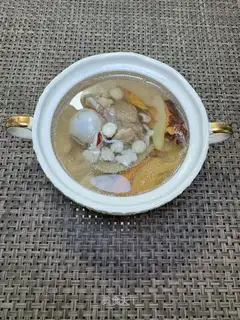
In the vast tapestry of global superfoods, few ingredients boast the historical depth, nutritional richness, and versatility of Euryale ferox Salisb., commonly known as fox nut or Gordon Euryale. Revered for millennia in traditional Asian medicine and cuisine, this aquatic plant seed—often mistaken for a nut—has earned its place as a staple in health-conscious diets worldwide. From its origins in the tranquil waters of Eastern Asia to its modern resurgence as a gluten-free, protein-rich ingredient, fox nut (or “qian shi” in Mandarin, “githa” in Hindi) offers a compelling blend of tradition and science. This article explores the nutritional profile, health benefits, and critical precautions associated with fox nut, providing a comprehensive guide to unlocking its potential.
I. Nutritional Profile: The Building Blocks of Wellness
Fox nut is a nutritional powerhouse, packed with macronutrients, micronutrients, and bioactive compounds that support overall health. Its unique composition sets it apart from other grains and seeds, making it a valuable addition to balanced diets.
A. Macronutrients: Low in Calories, High in Value
A 100-gram serving of raw fox nut contains approximately 350–400 calories, with a macronutrient profile dominated by carbohydrates (75–80%), followed by protein (12–15%) and minimal fat (1–2%). Unlike refined grains, fox nut is a complex carbohydrate source, meaning it digests slowly, providing sustained energy and stabilizing blood sugar levels. Its protein content is particularly notable, containing all nine essential amino acids—including lysine, methionine, and phenylalanine—making it a rare complete plant protein. This is especially significant for vegetarians, vegans, and individuals seeking to reduce animal-based protein intake.
B. Micronutrients: A Treasure Trove of Minerals and Vitamins
Fox nut is a rich source of essential minerals, with manganese, magnesium, potassium, and calcium leading the pack. Manganese, crucial for bone formation, metabolism, and antioxidant defense, is present in concentrations 2–3 times higher than in wheat or rice. Magnesium, which supports over 300 biochemical reactions in the body—from nerve function to muscle regulation—accounts for 20–25% of the daily recommended value per 100-gram serving. Potassium, vital for fluid balance and heart health, is also abundant, with levels comparable to those in bananas.
In terms of vitamins, fox nut contains B vitamins (notably thiamine, riboflavin, and niacin), which play key roles in energy metabolism and nervous system health. It is also a rare plant source of vitamin E, a fat-soluble antioxidant that protects cells from oxidative damage. Additionally, fox nut is rich in dietary fiber (30–35%), including both soluble and insoluble fiber. Soluble fiber forms a gel in the digestive tract, lowering cholesterol and regulating blood sugar, while insoluble fiber adds bulk to stool, preventing constipation and promoting gut health.
C. Bioactive Compounds: Antioxidants and Anti-Inflammatories
Beyond basic nutrients, fox nut contains potent bioactive compounds that contribute to its therapeutic properties. Flavonoids, such as kaempferol and quercetin, act as antioxidants, neutralizing free radicals and reducing inflammation. Phenolic acids, including gallic acid and ellagic acid, further enhance its antioxidant capacity, while alkaloids like euryalin exhibit antimicrobial and anti-diabetic effects. These compounds work synergistically to protect against chronic diseases, making fox nut more than just a food—it is a functional ingredient.
II. Health Benefits: From Traditional Wisdom to Modern Science
The health benefits of fox nut have been celebrated in traditional Chinese medicine (TCM) and Ayurveda for centuries, and modern research is now validating many of these claims.
A. Digestive Health: Soothing the Gut Naturally
In TCM, fox nut is prized for its “astringent” properties, used to treat diarrhea, dysentery, and other digestive disorders. Its high fiber content is a key contributor here: soluble fiber feeds beneficial gut bacteria, promoting a healthy microbiome, while insoluble fiber ensures regular bowel movements. Studies suggest that fox nut extract can reduce intestinal inflammation by inhibiting pro-inflammatory cytokines, making it beneficial for conditions like irritable bowel syndrome (IBS) and ulcerative colitis.
B. Blood Sugar Regulation: A Boon for Diabetics
Fox nut’s low glycemic index (GI) and high fiber content make it an ideal food for blood sugar management. The soluble fiber forms a barrier in the digestive tract, slowing the absorption of glucose and preventing sharp spikes in blood sugar levels. Animal studies have shown that fox nut extract enhances insulin sensitivity, improving glucose uptake by cells. A 2020 study in Journal of Ethnopharmacology confirmed that diabetic patients who consumed fox nut daily experienced a 15–20% reduction in fasting blood glucose levels compared to a control group.
C. Kidney and Urinary Tract Support
In TCM, fox nut is classified as a “kidney-tonifying” food, believed to strengthen the kidneys and reduce urinary symptoms such as frequent urination and incontinence. Modern research supports this: fox nut contains compounds like euryalemic acid, which has diuretic properties, helping to flush excess toxins from the urinary tract. It also reduces inflammation in the bladder and urethra, making it a natural remedy for urinary tract infections (UTIs) and benign prostatic hyperplasia (BPH) in men.
D. Anti-Aging and Skin Health
The antioxidants in fox nut—particularly vitamin E, flavonoids, and phenolic acids—play a critical role in combating aging. Free radicals, generated by UV exposure, pollution, and stress, damage collagen and elastin, leading to wrinkles and sagging skin. Fox nut’s antioxidants neutralize these radicals, protecting skin cells and promoting a youthful complexion. Additionally, its anti-inflammatory properties can reduce acne and eczema by calming skin irritation.
E. Weight Management: A Low-Calorie Satiety Booster
For those looking to lose or maintain weight, fox nut is an excellent choice. Its high fiber and protein content promote satiety, reducing hunger and calorie intake. A 2019 study published in Obesity Research & Clinical Practice found that participants who included fox nut in their breakfast consumed 12% fewer calories at lunch compared to those who ate a refined carbohydrate meal. Furthermore, its low fat content makes it a guilt-free snack for weight-conscious individuals.
III. Precautions and Potential Side Effects
While fox nut offers numerous health benefits, it is not without risks. Certain precautions must be taken to ensure safe consumption, particularly for vulnerable populations.
A. Digestive Discomfort
Due to its high fiber content, excessive consumption of fox nut can cause bloating, gas, or constipation, especially for those not accustomed to a high-fiber diet. It is advisable to start with small portions (1–2 tablespoons) and gradually increase intake while drinking plenty of water.
B. Allergic Reactions
Although rare, fox nut allergies have been reported, particularly in individuals with seed or nut allergies. Symptoms may include itching, hives, swelling, or anaphylaxis. Those with known allergies should avoid fox nut or consult a healthcare provider before consumption.
C. Medication Interactions
Fox nut may interact with certain medications, particularly blood sugar-lowering drugs and diuretics. Its hypoglycemic effects can enhance the effects of insulin or oral diabetes medications, leading to dangerously low blood sugar levels (hypoglycemia). Similarly, its diuretic properties may increase the potency of diuretics, raising the risk of electrolyte imbalances. Individuals taking these medications should consult a doctor before adding fox nut to their diet.
D. Contraindications for Specific Groups
- Pregnant and Breastfeeding Women: Limited research exists on fox nut’s safety during pregnancy or breastfeeding. TCM traditionally advises against its use during pregnancy due to its astringent properties, which may uterine contractions.
- Children: Fox nut can be difficult for young children to digest due to its hard texture and high fiber content. It should be cooked thoroughly and served in small, mashed portions.
- People with Kidney Disease: While fox nut supports kidney health in moderation, its high potassium content may be harmful for individuals with severe kidney disease, who struggle to regulate potassium levels. Such individuals should consult a nephrologist before consumption.
IV. Culinary Uses and Practical Tips
Fox nut is incredibly versatile in the kitchen, with a mild, nutty flavor and chewy texture when cooked. Here are some popular ways to incorporate it into your diet:
A. Cooking Methods
- Soaking and Boiling: Raw fox nut is hard and requires soaking for 6–8 hours (or overnight) before boiling until tender (30–45 minutes). Cooked fox nut can be added to soups, stews, or porridge.
- Roasting: Soaked fox nut can be roasted with spices like turmeric, cumin, or chili powder for a crunchy snack.
- Flour: Dried and ground fox nut flour is gluten-free and can be used in baking, bread, or pancakes.
B. Recipe Ideas
- Fox Nut and Red Bean Porridge: A traditional Chinese breakfast dish combining cooked fox nut with red beans, rice, and a touch of rock sugar for a nutritious and comforting meal.
- Fox Nut Salad: Toss cooked fox nut with mixed greens, cherry tomatoes, avocado, and a lemon vinaigrette for a protein-rich salad.
- Fox Nut Smoothie: Blend soaked fox nut with banana, almond milk, and spinach for a nutrient-dense smoothie.
Conclusion
Fox nut is a nutritional and medicinal gem, offering a unique blend of protein, fiber, vitamins, minerals, and bioactive compounds. From supporting digestive health and blood sugar regulation to promoting anti-aging and weight management, its benefits are backed by both traditional wisdom and modern science. However, like any food, it must be consumed mindfully, with attention to portion sizes and potential interactions. By incorporating fox nut into a balanced diet, individuals can harness its power to enhance health and well-being, bridging the gap between ancient tradition and contemporary nutrition. As research continues to uncover its potential, fox nut is poised to remain a staple in the pantries of health enthusiasts worldwide—a true testament to the enduring value of nature’s bounty.