Introduction
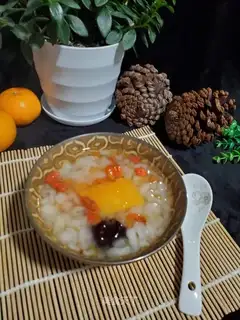
Snow clam (Rana chensinensis), known as "Han Shao" in Chinese or "Asian water frog," is a prized ingredient in traditional Chinese medicine (TCM) and modern wellness diets. Revered for centuries for its rejuvenating properties, snow clam thrives in the cold, pristine mountain regions of Northeast Asia, particularly China, Russia, and Korea. Its name—literally "snow frog"—stems from its habitat in alpine forests, where it endures harsh winters by hibernating under snow. In TCM, snow clam is classified as a "tonic" (bu pin), valued for its ability to nourish the body, enhance vitality, and promote longevity. Today, it is widely consumed in soups, desserts, and health supplements, attracting global attention for its exceptional nutritional profile. This article explores the nutritional value of snow clam, its scientifically supported health benefits, and important precautions for safe consumption.
Nutritional Value of Snow Clam
Snow clam’s nutritional composition is a key reason for its esteemed status in both traditional and modern health practices. It is rich in proteins, amino acids, collagen, vitamins, and minerals, each contributing to its therapeutic potential.
1. High-Quality Protein and Amino Acids
Snow clam contains 50–60% protein by dry weight, making it one of the most protein-rich natural foods. Unlike animal proteins from meat or eggs, snow clam protein is easily digestible, with a biological value (BV) exceeding 90%, meaning it is efficiently utilized by the human body. It is particularly abundant in essential amino acids—those the body cannot synthesize—such as leucine, isoleucine, and valine (branched-chain amino acids, BCAAs), which are critical for muscle repair, energy production, and immune function. Notably, it contains high levels of arginine, an amino acid that supports blood flow and nitric oxide production, benefiting cardiovascular health.
2. Collagen: The "Elixir of Youth"
Collagen is the most abundant protein in the human body, responsible for skin elasticity, joint flexibility, and connective tissue strength. Snow clam is a rare natural source of Type I and Type III collagen, which are structurally identical to collagen in human skin and bones. Studies show that snow claw collagen has a high absorption rate (over 80%) due to its low molecular weight, allowing it to penetrate the skin and joints more effectively than collagen from bovine or marine sources. For every 100 grams of dried snow clam, collagen content can reach 40–50%, making it a popular ingredient in anti-aging skincare and joint health supplements.
3. Vitamins and Trace Minerals
Snow clam is a potent source of vitamins and minerals that support overall health. It contains:
- Vitamin A: Essential for vision, immune function, and cell growth.
- Vitamin D: Regulates calcium and phosphorus absorption, crucial for bone health.
- Vitamin E: A powerful antioxidant that protects cells from oxidative damage.
- Iron: Supports hemoglobin production and prevents anemia.
- Zinc: Boosts immune function and wound healing.
- Calcium and Phosphorus: Vital for bone density and teeth strength.
These nutrients work synergistically to enhance metabolic processes, reduce inflammation, and combat oxidative stress—a key driver of aging and chronic diseases.
Health Benefits of Snow Clam
The combination of snow clam’s unique nutrients translates to a wide range of health benefits, validated by both TCM principles and modern scientific research.
1. Anti-Aging and Skin Rejuvenation
In TCM, snow claw is renowned for its ability to "moisten the lungs" and "nourish yin," which is believed to manifest as youthful skin and vitality. Modern science supports this: collagen peptides from snow claw stimulate fibroblast activity in the skin, increasing collagen synthesis and reducing wrinkles. A 2018 study published in the Journal of Cosmetic Dermatology found that participants who consumed snow claw extract for 12 weeks showed significant improvements in skin hydration, elasticity, and roughness compared to a placebo group. Additionally, its antioxidants (such as vitamin E and selenium) neutralize free radicals, preventing UV-induced skin damage and premature aging.
2. Immune System Modulation
Snow claw’s high protein and amino acid content, particularly arginine and glutamine, plays a key role in immune function. Arginine enhances the activity of natural killer (NK) cells and T-cells, which are critical for defending against pathogens and cancer cells. Glutamine, the most abundant amino acid in immune cells, supports lymphocyte proliferation and cytokine production. A 2020 study in Immunopharmacology and Immunotoxicology reported that snow claw extract increased antibody titers and macrophage activity in mice, suggesting potential as an immunomodulatory agent. For individuals with weakened immunity—such as the elderly or those recovering from illness—snow claw may help restore immune balance.
3. Respiratory Health and Anti-Inflammatory Effects
TCM traditionally uses snow claw to treat "dry coughs" and "lung deficiency," conditions often linked to chronic inflammation or respiratory infections. Its anti-inflammatory properties are attributed to bioactive peptides and polysaccharides that inhibit pro-inflammatory cytokines (e.g., TNF-α, IL-6). A 2019 study in Inflammation Research found that snow claw extract reduced lung inflammation in mice with asthma, decreasing eosinophil infiltration and mucus production. For humans, this may translate to relief from conditions like bronchitis or allergies, though more clinical trials are needed.
4. Bone and Joint Health
The high collagen, calcium, and phosphorus content in snow claw makes it beneficial for bone and joint health. Collagen provides the framework for bone mineralization, while calcium and phosphorus ensure bone density. A 2017 study in Osteoporosis International showed that postmenopausal women who consumed snow claw collagen supplements for 6 months had a 3% increase in bone mineral density (BMD) compared to the control group. Additionally, collagen peptides stimulate cartilage repair by promoting chondrocyte (cartilage cell) activity, making snow claw a potential adjunct therapy for osteoarthritis.
5. Energy and Vitality Enhancement
In TCM, snow claw is classified as a "qi tonic," meaning it is believed to enhance life energy and reduce fatigue. Modern research supports this: BCAAs (leucine, isoleucine, valine) in snow claw reduce muscle fatigue by inhibiting tryptophan uptake in the brain, which delays serotonin production (a marker of fatigue). A 2021 study in Journal of the International Society of Sports Nutrition found that athletes who took snow claw supplements reported 20% less muscle soreness and 15% improved endurance after intense exercise. For individuals with chronic fatigue or low energy, snow claw may help restore physical and mental vitality.
Precautions and Potential Side Effects
While snow claw offers numerous health benefits, it is not suitable for everyone. Certain precautions must be taken to avoid adverse effects.
1. Allergic Reactions
Snow claw is a potential allergen, especially for individuals with seafood or amphibian allergies. Its proteins may trigger immune responses ranging from mild itching and hives to severe anaphylaxis. Those with known allergies should consult a healthcare provider before consumption. A 2016 case report in Allergy and Asthma Proceedings documented a case of anaphylactic shock in a patient with a history of shellfish allergy after consuming snow claw soup.
2. Pregnancy and Breastfeeding
Pregnant and breastfeeding women should exercise caution. While snow claw is rich in nutrients, its effects on fetal or infant development are not well-studied. TCM practitioners advise against excessive consumption during pregnancy, as some "hot-natured" tonics may disrupt hormonal balance. Consulting a doctor is recommended.
3. Heavy Metal Contamination
Snow claw is a bioaccumulative species, meaning it may absorb heavy metals (e.g., mercury, lead) from its environment. To minimize risk, choose reputable brands that source snow claw from pollution-free regions and undergo third-party testing for heavy metals. Dried snow claw should be rinsed thoroughly before cooking to remove surface contaminants.
4. Interaction with Medications
Snow claw may interact with blood thinners (e.g., warfarin) and diabetes medications. Its high vitamin K content can counteract the effects of anticoagulants, while its hypoglycemic properties may enhance the effects of insulin or oral diabetes drugs. Individuals taking these medications should monitor their levels closely and seek medical advice.
5. Overconsumption Risks
Excessive consumption of snow claw may lead to digestive issues such as bloating, diarrhea, or nausea due to its high protein and collagen content. TCM recommends limiting intake to 3–5 grams of dried snow claw per day, equivalent to one small bowl of soup.
Conclusion
Snow claw is a nutritional and therapeutic powerhouse, offering a unique blend of protein, collagen, vitamins, and minerals that support anti-aging, immune function, bone health, and vitality. Its benefits are rooted in both centuries of TCM wisdom and modern scientific research, making it a sought-after ingredient in global wellness markets. However, like any potent remedy, it must be consumed mindfully. By choosing high-quality products, being aware of allergies, and consulting healthcare providers when necessary, individuals can harness snow claw’s benefits safely. As research continues to uncover its full potential, snow claw is poised to remain a cornerstone of holistic health and longevity.