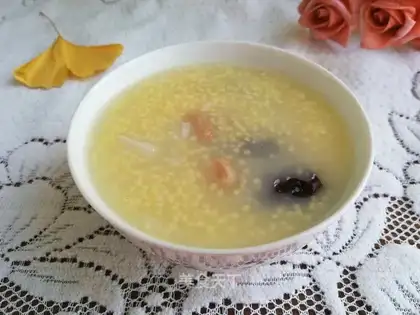
In the vast landscape of global superfoods, few ingredients boast the unique cultural heritage and nutritional profile of yinmi (阴米), or "dark rice." This traditional Chinese staple, often referred to as "fermented black glutinous rice," has been a cornerstone of regional diets for centuries, particularly in Southern China’s Guizhou, Hunan, and Guangxi provinces. While it may be lesser-known outside its native regions, yinmi is gaining recognition for its impressive array of nutrients, medicinal properties, and culinary versatility. This article explores the nutritional value of yinmi, its health benefits, and important precautions to consider when incorporating it into your diet.
1. Nutritional Value of Yinmi: A Treasure Trove of Bioactive Compounds
Yinmi is not merely a type of rice but a fermented product made from glutinous rice (Oryza sativa var. glutinosa) that has been soaked, steamed, and then fermented with specific strains of monascus fungi (Monascus purpureus or Monascus ruber). This fermentation process transforms the rice’s nutritional composition, enhancing its bioavailability and creating a dense concentration of beneficial compounds.
Macronutrients and Micronutrients
As a whole grain, yinmi is rich in complex carbohydrates, which provide sustained energy and support digestive health. A 100-gram serving of cooked yinmi contains approximately:
- Carbohydrates: 75–80 grams (mostly starch, with a low glycemic index due to fermentation).
- Protein: 7–9 grams, including essential amino acids like lysine and tryptophan, which are often limited in refined grains.
- Dietary Fiber: 2–4 grams, promoting gut health and satiety.
Yinmi is also a notable source of micronutrients:
- B Vitamins: Fermentation increases levels of vitamin B1 (thiamine), B2 (riboflavin), and B6, which play critical roles in energy metabolism and nervous system function.
- Minerals: It provides iron, zinc, magnesium, and phosphorus. Iron supports hemoglobin production, while magnesium aids muscle and nerve function.
- Antioxidants: The most striking feature of yinmi is its high content of monacolins (particularly monacolin K, which is chemically identical to the cholesterol-lowering drug lovastatin), polyphenols, anthocyanins, and gamma-oryzanol. These compounds combat oxidative stress and reduce inflammation.
Unique Bioactive Compounds
The monascus fermentation process produces red yeast rice (RYR), the source of yinmi’s distinctive purple-red color and potent bioactive compounds. Key among these are:
- Monacolins: Inhibit cholesterol synthesis in the liver, lowering LDL ("bad") cholesterol and triglycerides.
- Monascins and Ankaflavins: Polyphenols with antioxidant, anti-inflammatory, and potential anti-cancer properties.
- Gamma-Oryzanol: A ferulic acid ester that reduces cholesterol absorption and protects gastric mucosa.
These compounds make yinmi a functional food—one that provides basic nutrition while offering therapeutic benefits.
2. Health Benefits of Yinmi: From Heart Health to Digestive Wellness
Yinmi’s nutrient profile translates into a wide range of health benefits, supported by both traditional Chinese medicine (TCM) and modern scientific research.
Cardiovascular Health
One of the most well-documented benefits of yinmi is its ability to improve lipid profiles. Monacolin K inhibits HMG-CoA reductase, an enzyme involved in cholesterol production. Studies show that consuming yinmi (or red yeast rice) can reduce LDL cholesterol by 15–30% and triglycerides by 20–30%, making it a natural adjunct to managing hyperlipidemia. Additionally, gamma-oryzanol and anthocyanins reduce oxidative damage to blood vessels, improving endothelial function and lowering the risk of atherosclerosis.
Antioxidant and Anti-Inflammatory Effects
The polyphenols and anthocyanins in yinmi are potent antioxidants that neutralize free radicals, which contribute to aging, chronic diseases, and cancer. Research indicates that these compounds inhibit the activity of pro-inflammatory enzymes (like COX-2) and cytokines, reducing inflammation in conditions such as arthritis, metabolic syndrome, and neurodegenerative diseases.
Digestive Health
As a fermented food, yinmi acts as a prebiotic, feeding beneficial gut bacteria (e.g., Lactobacillus and Bifidobacterium) and promoting a balanced microbiome. The fiber in yinmi also adds bulk to stool, preventing constipation and supporting regular bowel movements. In TCM, yinmi is considered "neutral" in nature, making it gentle on the digestive system compared to other fermented foods like kimchi or sauerkraut.
Blood Sugar Regulation
While yinmi is a carbohydrate source, its fermentation lowers its glycemic index (GI) to approximately 55 (compared to 70 for white rice). This means it causes a slower, more gradual rise in blood sugar, making it suitable for individuals with diabetes or insulin resistance. The fiber and polyphenols in yinmi also enhance insulin sensitivity, further aiding blood sugar control.
Liver Protection and Detoxification
Yinmi contains compounds like monascin and ankaflavin that support liver function by reducing oxidative stress and fat accumulation in hepatocytes (liver cells). Animal studies show that yinmi supplementation can alleviate liver damage caused by alcohol or toxins, making it a potential therapeutic agent for fatty liver disease.
Immune System Support
The fermentation process increases yinmi’s content of probiotics and bioactive peptides, which modulate immune function. These compounds enhance the activity of natural killer (NK) cells and macrophages, improving the body’s ability to fight infections and reduce inflammation.
3. Precautions and Potential Side Effects
While yinmi offers numerous health benefits, it is not without risks. Its high concentration of monacolins and other bioactive compounds necessitates caution, particularly for certain populations.
Pregnancy and Breastfeeding
Yinmi’s monacolin K content is contraindicated during pregnancy and breastfeeding, as it may interfere with fetal development or hormone-sensitive conditions. Pregnant women should avoid yinmi unless advised by a healthcare provider.
Liver and Kidney Disease
Individuals with pre-existing liver or kidney disease should consume yinmi cautiously. Monacolin K is metabolized by the liver and excreted by the kidneys, and excessive intake may exacerbate organ dysfunction. A doctor’s consultation is essential before adding yinmi to the diet.
Surgery and Bleeding Disorders
Yinmi may have mild blood-thinning effects due to its antioxidant compounds. It should be stopped at least 2 weeks before surgery to reduce the risk of bleeding. Similarly, individuals with bleeding disorders (e.g., hemophilia) should avoid high doses.
Drug Interactions
Yinmi’s monacolin K can interact with medications metabolized by the cytochrome P450 enzyme system, including:
- Statins: Combining yinmi with prescription cholesterol-lowering drugs (e.g., atorvastatin, simvastatin) may increase the risk of muscle pain (myopathy) or liver damage.
- Blood Pressure Medications: Yinmi’s potassium content may enhance the effects of ACE inhibitors or diuretics, leading to hypotension.
- Diabetes Drugs: Its blood sugar-lowering properties may potentiate the effects of insulin or metformin, causing hypoglycemia.
Allergies and Sensitivities
Though rare, some individuals may be allergic to monascus fungi or gluten (if the original rice is contaminated with gluten-containing grains). Those with mold sensitivities should also avoid yinmi, as it is a fermented product.
Dosage and Moderation
Excessive consumption of yinmi (more than 30 grams per day) may lead to side effects such as bloating, stomach upset, or dizziness. It is best to start with small amounts (10–15 grams per day) and monitor for adverse reactions.
4. Culinary Uses and How to Incorporate Yinmi into Your Diet
Yinmi’s versatility makes it easy to incorporate into meals. Here are some popular ways to enjoy it:
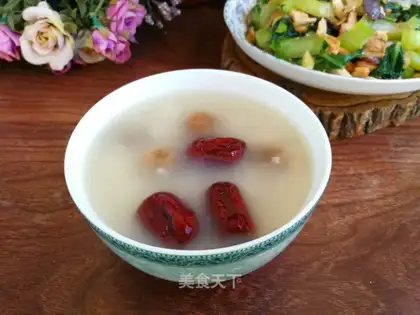
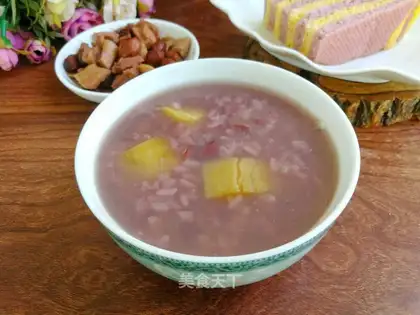
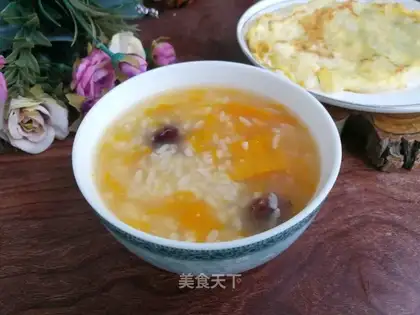
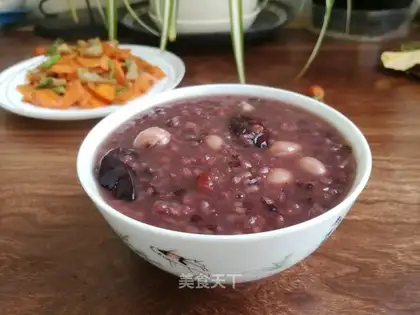
- Porridge (Congee): Cook yinmi with water or milk to make a nutrient-dense porridge. Add dates, nuts, or ginger for extra flavor.
- Rice Dishes: Substitute 10–20% of white rice with yinmi in pilafs, stir-fries, or sushi.
- Desserts: Use yinmi flour to make mochi, cakes, or pudding. Its natural sweetness reduces the need for added sugar.
- Beverages: Ferment yinmi to make a traditional "black rice wine" or infuse it in tea for an antioxidant-rich drink.
- Smoothies: Blend cooked yinmi with fruits, yogurt, or protein powder for a filling, high-fiber meal.
Conclusion
Yinmi is a nutritional powerhouse that bridges tradition and modern wellness. Its unique combination of complex carbohydrates, fiber, vitamins, minerals, and bioactive compounds offers benefits for heart health, digestion, blood sugar regulation, and immune function. However, its potent effects require careful consideration of individual health conditions and potential drug interactions. When consumed in moderation and with awareness, yinmi can be a valuable addition to a balanced diet, offering a delicious way to harness the power of fermented foods. As research continues to uncover its therapeutic potential, yinmi may soon become a household name in the global superfood scene—proving that ancient ingredients still have much to teach us about health and longevity.