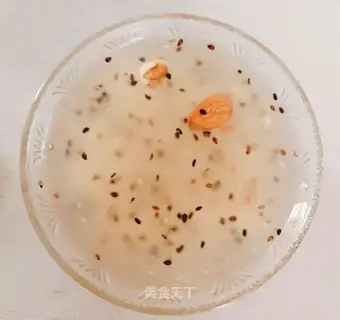
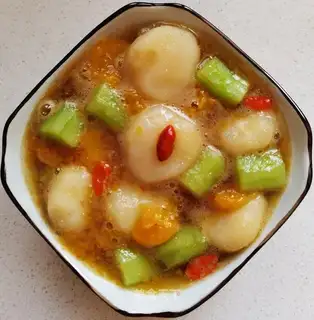
Lotus root starch, derived from the rhizomes of the aquatic lotus plant (Nelumbo nucifera), has been a cherished ingredient in traditional Asian cuisine and medicine for centuries. With its smooth, creamy texture and subtle earthy flavor, this versatile starch is not only a staple in desserts and savory dishes but also a nutritional powerhouse. Renowned for its digestive, immune-boosting, and anti-inflammatory properties, lotus root starch offers a unique blend of carbohydrates, fiber, vitamins, and minerals. However, like any food, it must be consumed mindfully to avoid potential side effects. This article explores the nutritional profile, health benefits, culinary uses, and important precautions associated with lotus root starch.
Nutritional Profile of Lotus Root Starch
Lotus root starch is primarily composed of complex carbohydrates, making it a valuable source of sustained energy. A 100-gram serving of raw lotus root powder contains approximately 86 grams of carbohydrates, 9 grams of dietary fiber, and 3 grams of protein, with minimal fat (less than 1 gram). Its low glycemic index (GI) of around 50 ensures gradual sugar absorption, making it suitable for individuals managing blood sugar levels.
The starch is rich in essential micronutrients. It provides notable amounts of vitamin C (boosting immunity and collagen production), vitamin B6 (supporting metabolism and brain function), and folate (critical for cell division and fetal development). Additionally, it contains minerals like potassium (regulating blood pressure), manganese (aiding bone health and antioxidant defense), and iron (preventing anemia).
What sets lotus root starch apart is its high content of resistant starch, a type of fiber that resists digestion in the small intestine and ferments in the colon, acting as a prebiotic to nourish beneficial gut bacteria. This property, combined with its antioxidant compounds (such as polyphenols and flavonoids), contributes to its wide-ranging health benefits.
Health Benefits of Lotus Root Starch
1. Supports Digestive Health
The resistant starch and dietary fiber in lotus root starch promote a healthy digestive system. Fiber adds bulk to stool, preventing constipation and supporting regular bowel movements. As a prebiotic, it feeds probiotics like Lactobacillus and Bifidobacterium, which enhance gut barrier function, reduce inflammation, and alleviate symptoms of irritable bowel syndrome (IBS). Studies suggest that resistant starch may also lower the risk of colorectal cancer by reducing exposure to carcinogens in the colon.
2. Boosts Immune Function
Lotus root starch is a natural immunity booster, thanks to its high vitamin C content and antioxidant properties. Vitamin C stimulates the production of white blood cells, which are essential for fighting infections. The flavonoids and polyphenols in lotus root neutralize free radicals, reducing oxidative stress and lowering the risk of chronic diseases like heart disease and diabetes.
3. Regulates Blood Sugar Levels
With its low glycemic index and high resistant starch content, lotus root starch helps stabilize blood sugar levels. Resistant starch slows down the digestion and absorption of carbohydrates, preventing spikes in blood glucose after meals. This makes it a valuable food for individuals with type 2 diabetes or those at risk of developing the condition. Research indicates that regular consumption of resistant starch may improve insulin sensitivity over time.
4. Enhances Heart Health
Potassium, a key mineral in lotus root starch, plays a vital role in regulating blood pressure by balancing sodium levels and relaxing blood vessels. The fiber in lotus root also helps lower LDL (bad) cholesterol by binding to bile acids in the gut and promoting their excretion. Additionally, its antioxidants reduce inflammation in arterial walls, lowering the risk of atherosclerosis and heart disease.
5. Promotes Skin Health
The combination of vitamin C, antioxidants, and water in lotus root starch contributes to healthy, glowing skin. Vitamin C is essential for collagen synthesis, which maintains skin elasticity and reduces wrinkles. Antioxidants protect skin cells from UV damage and pollution, while the starch’s anti-inflammatory properties can soothe skin conditions like eczema and acne.
6. Provides Energy Without Weight Gain
As a complex carbohydrate, lotus root starch releases energy gradually, keeping you full and satisfied for longer periods. This makes it a healthier alternative to refined sugars and simple carbs, which often lead to energy crashes and weight gain. Its high fiber content also aids in weight management by curbing appetite and reducing overall calorie intake.
Culinary Uses of Lotus Root Starch
Lotus root starch is incredibly versatile in the kitchen, used in both sweet and savory dishes. In traditional Chinese and Japanese cuisine, it is commonly prepared as a thickening agent for soups, stews, and sauces. Its smooth texture makes it ideal for creating creamy desserts like lotus root pudding (lián ēng), a popular Cantonese sweet dish made by mixing the starch with water, sugar, and sometimes osmanthus flowers.
In addition to desserts, lotus root starch is used to make tangyuan (glutinous rice balls) and mochi, where it adds a soft, chewy consistency. It can also be blended into smoothies, porridge, or oatmeal to boost nutritional value. For a savory twist, it can be added to soups to thicken them naturally, enhancing both flavor and texture.
Modern culinary trends have seen lotus root starch incorporated into gluten-free baking, as it binds ingredients well without the need for wheat flour. Its neutral flavor allows it to pair seamlessly with both mild and bold ingredients, making it a staple in health-conscious and gourmet cooking alike.
Precautions and Potential Side Effects
While lotus root starch offers numerous health benefits, it is important to consume it in moderation to avoid adverse effects.
1. High in Carbohydrates
Although the carbohydrates in lotus root starch are complex, individuals on low-carb or ketogenic diets should limit their intake. A single serving can contain a significant portion of the daily carbohydrate allowance, which may hinder weight loss efforts or blood sugar control if overconsumed.
2. Digestive Discomfort
The high fiber and resistant starch content can cause bloating, gas, or diarrhea, especially in individuals not accustomed to a high-fiber diet. To minimize these effects, start with small amounts (1–2 teaspoons per day) and gradually increase intake while ensuring adequate hydration.
3. Allergic Reactions
Although rare, some people may be allergic to lotus root. Symptoms include itching, hives, or swelling. Individuals with known allergies to lotus plants should avoid lotus root starch or consult a healthcare professional before consumption.
4. Interaction with Medications
Lotus root starch may interact with certain medications, particularly blood thinners like warfarin. Its vitamin K content can counteract the effects of anticoagulants, increasing the risk of blood clots. Individuals taking such medications should consult their doctor before adding lotus root starch to their diet.
5. Not Suitable for Certain Health Conditions
People with kidney disease should limit their intake of lotus root starch due to its potassium content, as excessive potassium can be harmful to those with impaired kidney function. Additionally, individuals with diabetes should monitor their blood sugar levels closely, even though lotus root starch has a low GI, to ensure it fits within their dietary plan.
Conclusion
Lotus root starch is a nutrient-dense ingredient that offers a wide range of health benefits, from improving digestion and boosting immunity to supporting heart health and skin vitality. Its versatility in cooking makes it a valuable addition to both traditional and modern diets. However, like any food, it should be consumed in moderation, especially by individuals with specific health conditions or dietary restrictions. By understanding its nutritional profile, benefits, and precautions, one can harness the power of lotus root starch to enhance overall health while enjoying its delicious flavor and texture. Whether in a warm pudding, a hearty soup, or a gluten-free dessert, lotus root starch stands as a testament to the wisdom of traditional ingredients in promoting modern wellness.