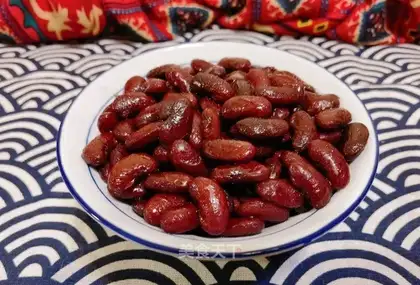
Red kidney beans, scientifically known as Phaseolus vulgaris, are a staple in cuisines worldwide, from chili con carne in the Americas to rajma in India and minestrone soup in Italy. These vibrant, kidney-shaped legumes are not only versatile and flavorful but also packed with essential nutrients, making them a valuable addition to a balanced diet. However, while red kidney beans offer numerous health benefits, improper preparation or consumption can lead to adverse effects. This article explores the nutritional profile of red kidney beans, their health-promoting properties, and important precautions to ensure safe consumption.
I. Nutritional Profile of Red Kidney Beans
Red kidney beans are a nutritional powerhouse, offering a rich blend of macronutrients, vitamins, minerals, and bioactive compounds. A 100-gram serving of cooked red kidney beans (without salt) provides approximately:
1. Macronutrients
- Protein: Around 8.7 grams, making them an excellent plant-based protein source. This is particularly valuable for vegetarians and vegans, as beans contain all essential amino acids, though they are slightly lower in methionine (a sulfur-containing amino acid) than animal proteins. Combining them with grains like rice or corn creates a complete protein profile, a practice common in traditional diets.
- Dietary Fiber: Approximately 6.4 grams, including both soluble and insoluble fiber. Fiber is crucial for digestive health, blood sugar regulation, and satiety.
- Carbohydrates: About 22 grams, mostly complex carbohydrates that provide sustained energy. Their low glycemic index (GI) means they release sugar slowly into the bloodstream, preventing spikes in blood glucose.
- Fat: Less than 0.5 grams per serving, making them a low-fat, high-nutrient food.
2. Vitamins
Red kidney beans are a good source of several B vitamins, which play key roles in energy metabolism and nervous system function:
- Folate (Vitamin B9): Around 33% of the Daily Value (DV) per 100 grams. Folate is essential for DNA synthesis, cell division, and fetal development, reducing the risk of neural tube defects during pregnancy.
- Thiamine (Vitamin B1): Contributes to energy production and nerve function.
- Vitamin B6: Supports immune function and hemoglobin production.
3. Minerals
- Iron: Provides about 15% of the DV. Plant-based iron (non-heme iron) is less easily absorbed than heme iron from animal sources, but combining beans with vitamin C-rich foods (e.g., tomatoes, bell peppers) enhances absorption. Iron is vital for oxygen transport and preventing anemia.
- Potassium: A 100-gram serving contains approximately 280 mg, helping regulate blood pressure and fluid balance.
- Magnesium: Involved in over 300 enzymatic reactions, including muscle and nerve function, blood sugar control, and bone health.
- Zinc: Supports immune function, wound healing, and DNA synthesis.
4. Bioactive Compounds
Red kidney beans contain antioxidants like anthocyanins (responsible for their red color), flavonoids, and phenolic acids. These compounds combat oxidative stress, reducing the risk of chronic diseases such as heart disease and cancer. Additionally, beans are rich in resistant starch, a type of fiber that acts as a prebiotic, feeding beneficial gut bacteria.
II. Health Benefits of Red Kidney Beans
The nutrient density of red kidney beans translates into numerous health benefits, backed by scientific research.
1. Supports Heart Health
- Lowers Cholesterol: Soluble fiber binds to cholesterol in the digestive system, preventing its absorption and promoting its excretion. Studies show that regular legume consumption can reduce LDL (“bad”) cholesterol by 5–10%, lowering the risk of atherosclerosis.
- Regulates Blood Pressure: Potassium counteracts the effects of sodium, helping to relax blood vessels and reduce blood pressure. The American Heart Association recommends legumes as part of a diet to manage hypertension.
- Rich in Antioxidants: Anthocyanins and flavonoids reduce inflammation and oxidative damage to blood vessels, protecting against cardiovascular disease.
2. Enhances Blood Sugar Control
Red kidney beans’ low glycemic index and high fiber content make them ideal for diabetes management. Fiber slows carbohydrate digestion, preventing rapid spikes in blood glucose. A 2012 study published in Archives of Internal Medicine found that replacing refined grains with legumes improved glycemic control and reduced coronary heart disease risk in people with type 2 diabetes.
3. Promotes Digestive Health
- Fiber for Regularity: Insoluble fiber adds bulk to stool, preventing constipation and promoting regular bowel movements. Soluble fiber, on the other hand, feeds beneficial gut bacteria (e.g., Bifidobacteria and Lactobacillus), which support a healthy gut microbiome.
- Resistant Starch: This compound resists digestion in the small intestine and ferments in the colon, producing short-chain fatty acids (SCFAs) like butyrate. SCFAs reduce inflammation, strengthen the intestinal barrier, and may lower the risk of colon cancer.
4. Aids Weight Management
Red kidney beans are high in fiber and protein, both of which increase satiety (the feeling of fullness). This reduces overall calorie intake by curbing hunger and preventing overeating. A 2016 review in Obesity Reviews concluded that legume consumption is associated with a lower body weight and reduced risk of obesity, likely due to their satiating properties and nutrient density.
5. Supports Pregnancy and Fetal Development
The high folate content in red kidney beans is critical during pregnancy. Folate prevents neural tube defects (e.g., spina bifida) and supports proper fetal brain and spine development. Pregnant women are advised to consume folate-rich foods or supplements, and beans are a natural, affordable source.
6. Boosts Immune Function
Zinc and vitamin C in red kidney beans play key roles in immune health. Zinc is necessary for the development and function of immune cells, while vitamin C acts as an antioxidant, protecting immune cells from damage. Additionally, the prebiotic fiber in beans supports a healthy gut microbiome, which is closely linked to immune function.
III. Precautions and Potential Risks
While red kidney beans are highly nutritious, improper preparation can lead to toxicity or digestive issues. Understanding these risks is essential for safe consumption.
1. Raw or Undercooked Beans: A Toxicity Risk
Raw red kidney beans contain high levels of lectins, particularly phytohaemagglutinin, a toxin that can cause severe nausea, vomiting, diarrhea, and abdominal pain. Lectins are destroyed by proper cooking, so beans must be boiled for at least 10 minutes at 100°C (212°F) to ensure safety. Slow cookers are not recommended for cooking raw kidney beans, as they may not reach a high enough temperature to neutralize toxins.
Safe Preparation Steps:
- Soak beans in water for at least 8 hours or overnight to reduce cooking time and remove some antinutrients.
- Discard the soaking water and boil beans in fresh water for 10 minutes before simmering until tender (approximately 45–60 minutes).
- Canned kidney beans are pre-cooked and safe to eat after rinsing, but check labels for added sodium.
2. Digestive Discomfort (Flatulence)
Beans contain oligosaccharides (e.g., raffinose and stachyose), complex sugars that humans cannot digest due to the lack of the enzyme alpha-galactosidase. These sugars ferment in the colon, producing gas and bloating. To minimize discomfort:
- Soak beans thoroughly and discard the soaking water.
- Gradually increase bean intake to allow the gut to adapt.
- Use digestive enzyme supplements (alpha-galactosidase) or cook beans with carminative spices like cumin, fennel, or ginger.
3. Antinutrients
Red kidney beans contain antinutrients like phytic acid and tannins, which can inhibit the absorption of minerals such as iron, zinc, and calcium. While these compounds are reduced by soaking and cooking, they are not eliminated entirely. To enhance mineral absorption:
- Soak and cook beans thoroughly.
- Pair beans with vitamin C-rich foods (e.g., lemon juice, tomatoes) to boost non-heme iron absorption.
4. Sodium in Canned Beans
Canned kidney beans often contain added salt for preservation. Excessive sodium intake is linked to high blood pressure and heart disease. To reduce sodium:
- Rinse canned beans under cold water before use.
- Choose low-sodium or no-salt-added varieties.
5. Allergies
While rare, some individuals may have a legume allergy, experiencing symptoms like hives, swelling, or anaphylaxis. People with known allergies should avoid red kidney beans and consult a healthcare provider if adverse reactions occur.
IV. Incorporating Red Kidney Beans into the Diet
Red kidney beans are versatile and can be included in various dishes:
- Savory Dishes: Add to chili, soups, stews, curries, or salads.
- Vegetarian Meals: Use in burgers, tacos, or as a meat substitute in dishes like “rajma masala.”
- Side Dishes: Mash with garlic and olive oil for a healthy dip, or sauté with vegetables.
- Baking: Incorporate into whole-grain breads or muffins for added fiber and protein.
Aim for 1–2 cups of cooked beans per week to reap their benefits without exceeding recommended fiber intake (25–30 grams per day for adults).
V. Conclusion
Red kidney beans are a nutritional powerhouse, offering protein, fiber, vitamins, minerals, and antioxidants that support heart health, blood sugar control, digestion, and weight management. However, their safety hinges on proper preparation—soaking and thorough cooking to eliminate toxins—and mindful consumption to avoid digestive discomfort. When included as part of a balanced diet, red kidney beans can be a delicious, affordable, and sustainable food that promotes overall health and well-being. By understanding their benefits and precautions, individuals can enjoy this legume while minimizing risks, making it a true staple of a healthy lifestyle.