Introduction
In the vast landscape of legumes, the white hyacinth bean (Lablab purpureus var. lignosus), commonly known as "white扁豆" (bái biǎn dòu) in Chinese, stands out as a nutrient-dense yet often overlooked ingredient. With a history rooted in traditional medicine and culinary practices across Asia, Africa, and the Americas, this creamy, versatile legume has been valued for its mild flavor and therapeutic properties. Today, as global interest in plant-based nutrition grows, white hyacinth beans are gaining recognition for their impressive nutritional profile and potential health benefits. However, like many legumes, they require careful preparation to unlock their full potential while avoiding risks. This article explores the nutritional value, health benefits, and precautions associated with white hyacinth beans, offering a comprehensive guide for incorporating them into a balanced diet.
Nutritional Value of White Hyacinth Beans
White hyacinth beans are a nutritional powerhouse, packed with macronutrients, micronutrients, and bioactive compounds that support overall health. A 100-gram serving of cooked white hyacinth beans (without salt) provides approximately:
Macronutrients
- Protein: Around 8.5 grams, making them an excellent plant-based protein source for vegetarians, vegans, and those looking to reduce meat consumption. Protein is essential for muscle repair, immune function, and hormone production.
- Dietary Fiber: Approximately 9 grams, or 32% of the daily recommended intake. Fiber promotes digestive health, regulates blood sugar levels, and enhances satiety, aiding in weight management.
- Carbohydrates: Roughly 23 grams, mostly complex carbohydrates that provide sustained energy. Their low glycemic index (GI) also makes them suitable for individuals with diabetes.
- Fat: Less than 0.5 grams per serving, primarily heart-healthy unsaturated fats, with negligible trans and saturated fats.
Micronutrients
White hyacinth beans are rich in essential vitamins and minerals, including:
- Folate (Vitamin B9): ~105 micrograms (26% of daily value), critical for DNA synthesis, cell division, and fetal development during pregnancy.
- Iron: ~2.5 milligrams (14% of daily value), which supports oxygen transport in the blood and helps prevent iron-deficiency anemia.
- Magnesium: ~50 milligrams (12% of daily value), vital for muscle function, nerve signaling, and blood pressure regulation.
- Potassium: ~580 milligrams (12% of daily value), which balances fluids in the body and reduces the risk of stroke and heart disease.
- Vitamin B6: ~0.1 milligrams (8% of daily value), involved in metabolism and brain health.
- Zinc: ~0.9 milligrams (8% of daily value), essential for immune function and wound healing.
Bioactive Compounds
Beyond basic nutrients, white hyacinth beans contain:
- Polyphenols: Antioxidants like flavonoids and phenolic acids that combat oxidative stress, reducing the risk of chronic diseases such as cancer and heart disease.
- Saponins: Compounds with anti-inflammatory and cholesterol-lowering properties, though excessive intake may interfere with mineral absorption.
- Lectins: Natural proteins that play a role in immune modulation but require proper cooking to neutralize potential toxicity.
Health Benefits of White Hyacinth Beans
The combination of nutrients and bioactive compounds in white hyacinth beans contributes to a range of health benefits, from improved digestion to chronic disease prevention.
1. Supports Digestive Health
The high fiber content in white hyacinth beans acts as a prebiotic, feeding beneficial gut bacteria and promoting a healthy microbiome. Fiber also adds bulk to stool, preventing constipation and supporting regular bowel movements. Additionally, soluble fiber forms a gel-like substance in the digestive tract, which slows down digestion and helps manage diarrhea by absorbing excess water.
2. Regulates Blood Sugar Levels
White hyacinth beans are a low-GI food, meaning they cause a gradual rise in blood sugar rather than a sharp spike. This is attributed to their high fiber and protein content, which slows carbohydrate absorption. For individuals with diabetes or insulin resistance, incorporating white hyacinth beans into meals can improve glycemic control and reduce the risk of complications.
3. Enhances Heart Health
The legume’s heart-protective effects stem from multiple nutrients:
- Potassium helps counteract the effects of sodium, lowering blood pressure.
- Soluble fiber binds to cholesterol in the digestive tract, reducing its absorption and lowering LDL ("bad") cholesterol levels.
- Antioxidants like polyphenols reduce inflammation in blood vessels, preventing atherosclerosis (hardening of the arteries).
Studies suggest that regular legume consumption, including white hyacinth beans, may reduce the risk of heart disease by up to 22%.
4. Boosts Immune Function
White hyacinth beans are a good source of zinc, iron, and vitamin B6—all essential for a healthy immune system. Zinc supports the development of immune cells, while iron ensures adequate oxygen supply to tissues, enhancing immune response. Vitamin B6, meanwhile, helps produce antibodies and cytokines, which regulate immune activity.
5. Supports Weight Management
The high fiber and protein content in white hyacinth beans promotes satiety, helping individuals feel fuller for longer and reducing overall calorie intake. This makes them a valuable addition to weight loss or weight maintenance diets. A 2017 study published in Obesity found that legume consumption was associated with a 22% lower risk of obesity.
6. Promotes Skin and Hair Health
The antioxidants in white hyacinth beans, particularly polyphenols, protect skin cells from damage caused by free radicals and UV radiation, reducing signs of aging like wrinkles and fine lines. Additionally, the iron and zinc content supports hair health by preventing hair loss and promoting scalp circulation.
7. May Reduce Cancer Risk
While more research is needed, the bioactive compounds in white hyacinth beans show promise in cancer prevention. Saponins, for example, have been found to inhibit the growth of cancer cells in laboratory studies. The fiber in legumes may also reduce the risk of colorectal cancer by promoting regular bowel movements and eliminating carcinogens from the digestive tract.
Precautions and Potential Side Effects
Despite their numerous benefits, white hyacinth beans require proper preparation and moderation to avoid adverse effects.
1. Lectin Toxicity
Raw or undercooked white hyacinth beans contain high levels of lectins, particularly phytohaemagglutinin, which can cause nausea, vomiting, diarrhea, and abdominal pain. Lectins are heat-sensitive, so thorough cooking is essential to neutralize them. Beans should be boiled for at least 10–15 minutes before simmering or baking to ensure safety.
2. Anti-Nutritional Factors
Like other legumes, white hyacinth beans contain anti-nutrients such as phytic acid and tannins, which can inhibit the absorption of minerals like iron, zinc, and calcium. To reduce these compounds:
- Soak beans overnight and discard the soaking water before cooking.
- Cook beans with acidic ingredients (e.g., tomatoes, lemon juice) to further reduce phytic acid.
- Consume in moderation to avoid excessive mineral interference, especially for individuals with existing deficiencies.
3. Digestive Discomfort
The high fiber content in white hyacinth beans may cause bloating, gas, or cramping in sensitive individuals, especially when consumed for the first time. To minimize discomfort:
- Start with small servings (e.g., 2–3 tablespoons cooked beans) and gradually increase intake.
- Chew beans thoroughly and drink plenty of water to aid digestion.
4. Allergic Reactions
While rare, some individuals may be allergic to white hyacinth beans, experiencing symptoms such as itching, hives, or difficulty breathing. Those with a history of legume allergies (e.g., to peanuts or soy) should exercise caution and consult a healthcare provider before consumption.
5. Interaction with Medications
White hyacinth beans may interact with certain medications, particularly blood thinners (e.g., warfarin) due to their vitamin K content. Individuals taking such medications should consult a doctor to ensure safe consumption.
Culinary Uses and Preparation Tips
White hyacinth beans are versatile and can be incorporated into a variety of dishes. Here are some preparation tips to maximize their safety and flavor:
1. Soaking and Cooking
- Soaking: Rinse beans thoroughly, then soak in water for 8–12 hours (or overnight) to reduce cooking time and anti-nutrients.
- Cooking: Drain the soaking water, then boil beans in fresh water for 10–15 minutes before reducing heat and simmering for 30–45 minutes, or until tender. Pressure cooking can reduce cooking time to 10–15 minutes.
2. Culinary Applications
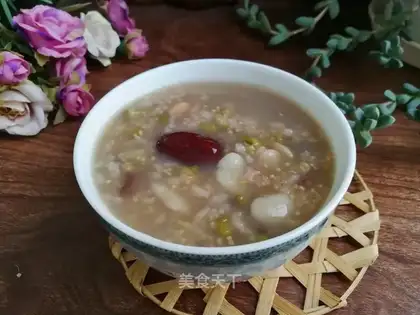
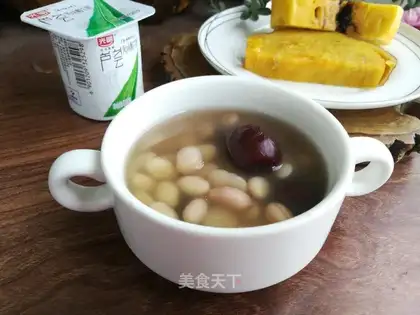
- Soups and Stews: Add cooked beans to vegetable soups, lentil stews, or chili for extra protein and fiber.
- Salads: Toss cooked, chilled beans with leafy greens, tomatoes, and a vinaigrette for a nutritious salad.
- Curries and Stir-fries: Use beans in Indian curries, Asian stir-fries, or African stews for a creamy texture.
- Dips and Spreads: Mash beans with garlic, lemon juice, and herbs to create a high-protein alternative to hummus.
3. Flavor Pairings
White hyacinth beans have a mild, slightly nutty flavor that pairs well with:
- Aromatic herbs: Rosemary, thyme, and basil.
- Spices: Cumin, coriander, and turmeric.
- Acidic ingredients: Tomatoes, vinegar, and citrus juices.
Conclusion
White hyacinth beans are a nutritional treasure, offering a rich blend of protein, fiber, vitamins, minerals, and bioactive compounds that support digestive health, heart health, immune function, and more. When prepared properly—through thorough cooking and soaking to neutralize lectins and anti-nutrients—they can be a safe and valuable addition to a balanced diet. Whether used in hearty soups, fresh salads, or flavorful curries, these versatile legumes provide a delicious way to enhance overall health. As with any food, moderation and mindful preparation are key to unlocking their benefits while minimizing risks. By incorporating white hyacinth beans into meals, individuals can enjoy a sustainable, nutrient-dense ingredient that bridges culinary tradition and modern wellness.